Cart
0
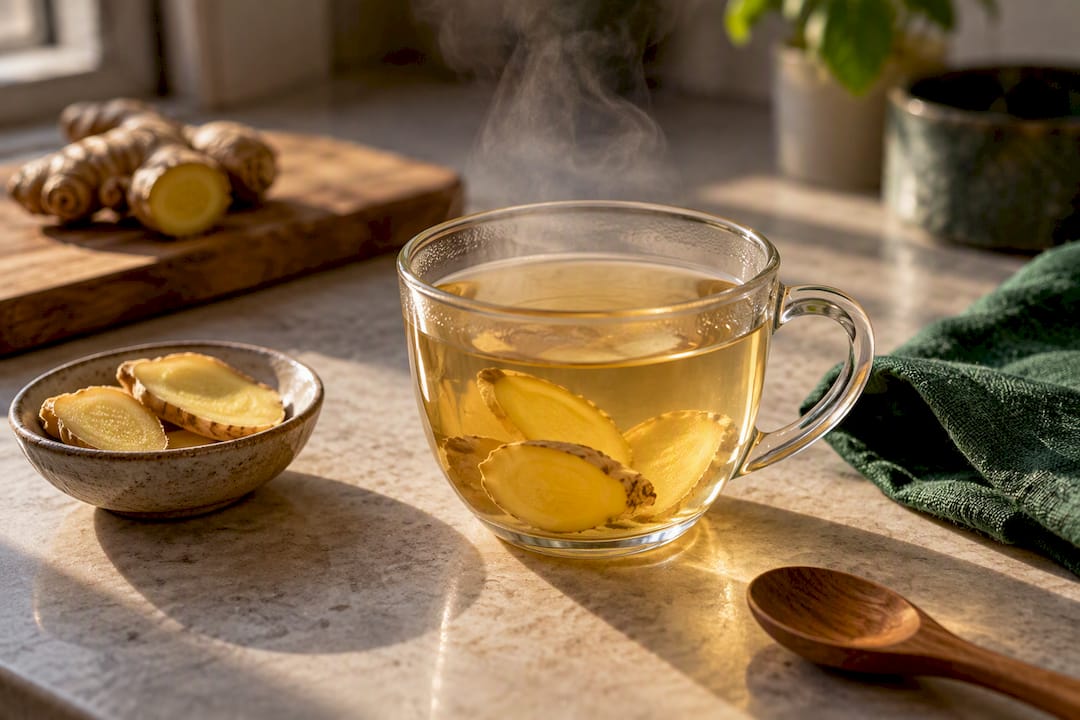
The fastest safe way to ease bloating is a warm cup of ginger or peppermint tea, a large glass of water, a short walk, and a light meal instead of a heavy one. Skip juice fasts and multi-day cleanses: they risk dehydration without solving the cause. If you have severe pain, vomiting, or cannot pass gas or stool, treat that as a signal to call a clinician, not a reason to detox harder.
TL;DR:
- Drinking ginger tea after meals can help promote normal stomach emptying and reduce fermentation that causes bloating.
- Peppermint tea relaxes gut muscles and alleviates cramping and gas, but should be avoided if you have frequent reflux or heartburn.
- Hydrating with infused waters like cucumber-mint or lemon-ginger can support digestion and mildly reduce water retention, but they do not detoxify the body.
- Over-the-counter remedies such as peppermint oil capsules and fennel extract may help some individuals with specific types of bloating but are not universally effective.
- Long-term relief depends on lifestyle changes like eating smaller, slower meals, avoiding carbonated drinks, and identifying personal dietary triggers through careful monitoring.
Table of Contents
- Best Drinks and Teas for Bloating: What Helps and What to Avoid
- Simple Detox Water Recipes to Ease Water Retention and Mild Bloating
- Herbs, Supplements and Targeted Remedies for Gas and Bloating
- Diet and Lifestyle Habits That Reduce Bloating Long Term
- Safety, Risks, and Red Flags: When Bloating Needs Medical Attention
- What the Evidence Says About Detox Cleanses vs. Sensible Approaches
- A Gentle 3-Day Plan to Reduce Bloating
- Where Pure Blue Fits Into This Picture
- What Most Bloating Advice Gets Wrong
- An Honest Option if You Want a Supplement Adjunct
- Sources
- FAQ
Best Drinks and Teas for Bloating: What Helps and What to Avoid
Not every “detox” drink works the same way, and picking the right one depends on what is causing your bloating in the first place. A few kitchen staples have a real track record for calming a gassy, distended gut, while others carry caveats worth knowing before you brew a pot.
Ginger tea is the most reliable starting point. It has long been used to settle nausea and encourage normal stomach emptying, which helps food and gas move through rather than sit and ferment. Steep a thumb-sized piece of fresh, sliced ginger (or one to two teaspoons of dried ginger) in hot water for 8 to 10 minutes, and drink it after a meal or whenever bloating strikes.
Peppermint and spearmint work differently: they relax the smooth muscle of the gut, which can quiet cramping and gas. The NHS notes that peppermint oil may relieve IBS-related bloating but can worsen gastroesophageal reflux in people prone to heartburn, so it is a better fit for cramp-and-gas bloating than for reflux-driven discomfort.
Fennel and chamomile are gentler options. Fennel seeds, crushed and steeped for 10 minutes, have a mild antispasmodic effect that many people tolerate well even with sensitive stomachs. Chamomile works similarly and doubles as a calming bedtime drink, useful since bloating often peaks after the day’s last meal.
Warm lemon water does not detoxify anything, but the ritual of a warm drink first thing in the morning helps some people trigger a normal bowel signal, and the hydration itself matters more than the lemon.
A few practical notes on timing and caution:
- Drink after meals or before bed, when digestive bloating typically builds, rather than only first thing in the morning.
- Steep teas 8 to 10 minutes for full effect; weaker brews mean weaker results.
- Avoid peppermint if you have frequent heartburn or reflux, since it can relax the valve between the stomach and esophagus.
- Check with a clinician before regular use during pregnancy or if you take medications that interact with herbal compounds, since some botanicals affect blood thinners and blood pressure drugs.
Simple Detox Water Recipes to Ease Water Retention and Mild Bloating
Infused waters will not flush toxins, but they can nudge you toward better hydration and offer a mild, temporary reduction in the puffiness that comes from water retention. Here are three worth keeping in the fridge.
- Cucumber and mint water: slice half a cucumber and a small handful of fresh mint leaves into a liter of water, refrigerate for at least two hours, and sip throughout the day. The high water content of cucumber supports hydration, and mint adds a light antispasmodic effect.
- Lemon and ginger water: combine the juice of half a lemon with a few thin slices of fresh ginger in a liter of water, letting it sit for 15 minutes before drinking. The citric acid can cue digestive activity, while ginger supports normal gut motility.
- Diluted apple cider vinegar water: stir one to two teaspoons of apple cider vinegar into a full glass of water and drink before a meal, no more than once or twice a day. Some people find this eases the sense of fullness, though the effect is mild and not consistent.
These recipes work through hydration, a small diuretic nudge, and the psychological benefit of drinking something instead of reaching for soda or juice. None of them clear toxins your liver and kidneys are not already handling. Overdoing diuretic drinks or straight vinegar can irritate your esophagus or throw off your body’s fluid balance, so treat these as supportive habits, not a treatment plan.
Herbs, Supplements and Targeted Remedies for Gas and Bloating
Beyond tea, a handful of over-the-counter options have some evidence behind them for specific types of bloating, though none work for everyone.
Peppermint oil capsules are the best-studied option for bloating tied to irritable bowel syndrome, and the NHS confirms peppermint oil can ease IBS-related bloating while carrying a reflux risk for people who already deal with heartburn. Fennel, whether as tea or extract, has also been studied in combination with curcumin for digestive comfort, though the evidence is still limited compared to more established remedies.
Probiotics and digestive enzymes are popular but inconsistent. Probiotics may help some people with bloating tied to an imbalanced gut microbiome, while enzyme supplements can help those with specific intolerances like lactase deficiency, but neither is a universal fix and results vary widely between individuals.
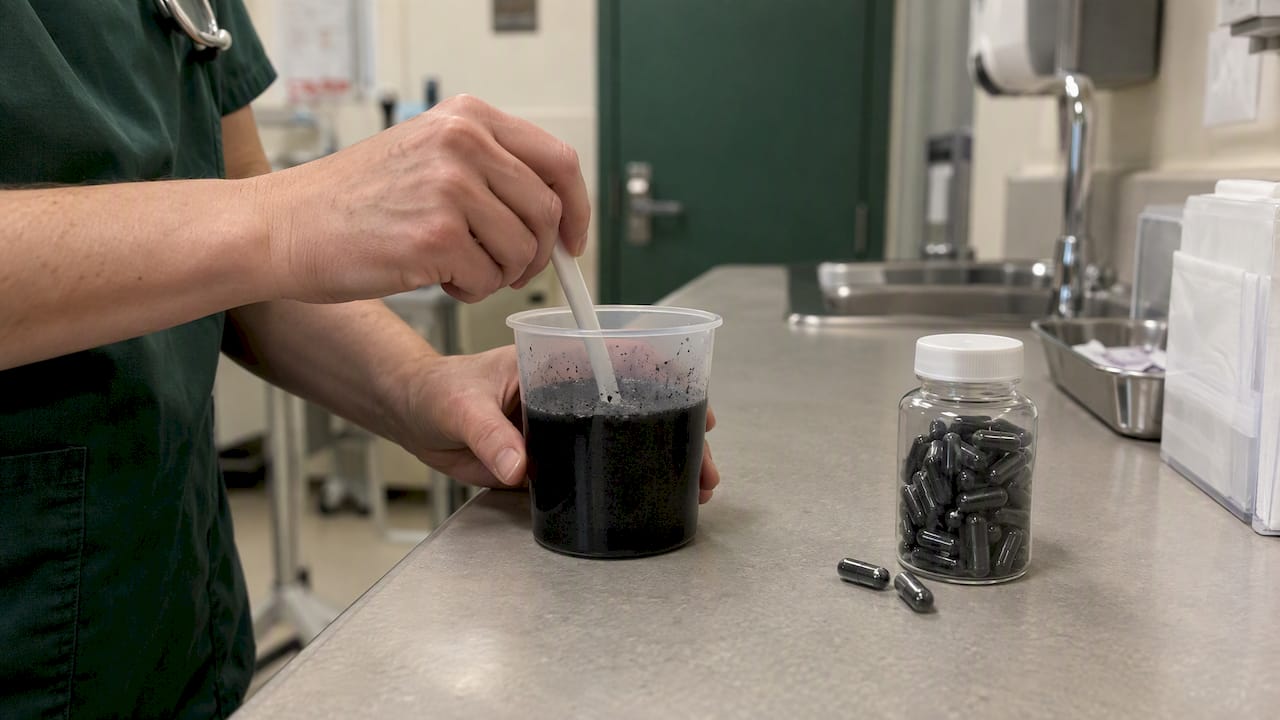
Activated charcoal deserves a caution rather than a recommendation: it can bind medications in your gut and reduce their effectiveness, so it should not be taken close to prescription drugs.
- Peppermint oil capsules suit cramp-and-gas bloating but not reflux-prone stomachs.
- Fennel tea or extract offers a gentler option for sensitive digestive systems.
- Probiotics may help some people, though the evidence for bloating specifically is mixed.
- Digestive enzymes are most useful when a specific intolerance, like lactose, is identified.
- Activated charcoal can interfere with medication absorption and should be timed carefully or avoided.
Pro Tip: Introduce one new remedy at a time for a week before adding another, so you can actually tell what helped.
If you are pregnant, breastfeeding, or on regular medication, talk to a clinician before starting any herbal supplement regularly, since interactions with blood thinners, blood pressure medication, and other prescriptions are common and easy to miss.
Diet and Lifestyle Habits That Reduce Bloating Long Term
Quick fixes help in the moment, but the habits that actually keep bloating from coming back are less exciting: smaller meals, slower eating, and a few dietary tweaks.
Eating behavior matters more than most people expect. Large meals stretch the stomach and slow digestion, while eating too fast means swallowing extra air. Carbonated drinks and chewing gum add to that air load directly, and heavy meals eaten right before bed give your gut less time to process food before you lie down.
Dietary triggers are worth identifying rather than guessing at. A trial elimination of high-FODMAP foods (certain fruits, wheat, and some vegetables) for a few weeks, done with attention to what you reintroduce and when, helps many people pinpoint a specific culprit. Lactose and sugar alcohols (found in “sugar-free” gum and candy) are common, easy-to-miss triggers worth checking first. A simple food-symptom diary, even just notes on your phone, speeds up this process considerably.
Bloating and abdominal distension affect nearly 40% of the general population, according to Mayo Clinic’s research on chronic bloating, and chronic cases often need more than one strategy to manage well.
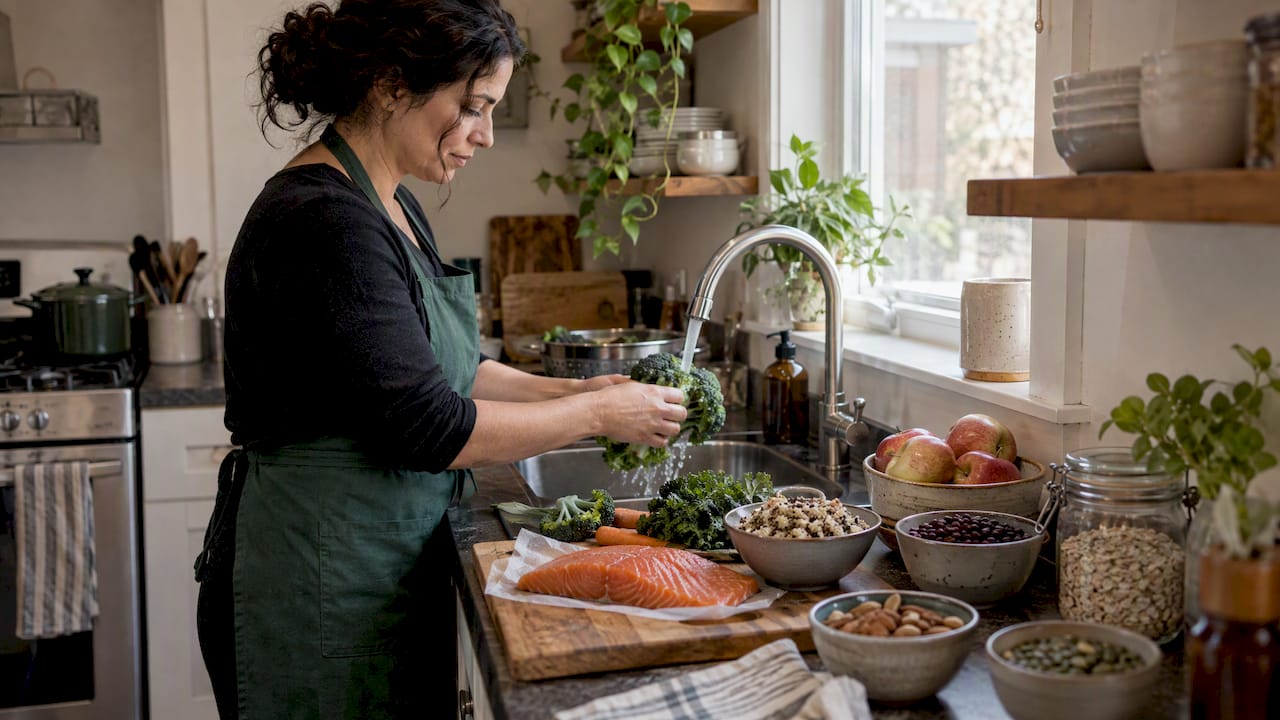
Movement, fiber, and hydration round out the picture. The NIDDK notes that many cases of bloating linked to constipation respond to dietary fiber, hydration, regular activity, and bowel training before any medication becomes necessary. A short walk after meals speeds gut motility, and building fiber into breakfast, rather than trying to cram it in at dinner, tends to stick better as a habit; a fiber-forward breakfast with ideas like overnight oats or chia pudding is an easy place to start.
- Eat smaller, slower meals and chew thoroughly to reduce swallowed air.
- Cut carbonated drinks and gum if bloating tends to strike after them.
- Trial a low-FODMAP elimination for a few weeks to isolate specific triggers.
- Walk after meals to support digestion and gut motility.
- Build fiber into breakfast rather than back-loading it at dinner.
If you travel often, sticking to these habits gets harder, and planning ahead for healthy eating while away from home can prevent the bloating that often follows a few days of unfamiliar meals and irregular schedules.
Safety, Risks, and Red Flags: When Bloating Needs Medical Attention
Extreme detox diets and multi-day cleanses carry real risks that rarely make it into the marketing. A PubMed review found no medical evidence that detox diets or cleanses remove toxins beyond what the liver and kidneys already do, and noted that harsh versions can cause dehydration and electrolyte imbalance. Skipping meals or relying on juice-only regimens for days at a time is a common way people end up feeling worse, not better.
Most bloating is uncomfortable but not dangerous, and it usually eases with the steps covered above within a couple of days. Certain symptoms, though, mean you should stop trying home remedies and get medical attention promptly. According to the NHS guidance on bloating, these red flags include:
- Severe or sudden abdominal pain that does not ease with rest or position changes.
- Vomiting blood or vomit that looks like coffee grounds.
- Inability to pass gas or stool for an extended period.
- Unexplained weight loss alongside ongoing bloating.
- Blood in your stool or persistently black, tarry stools.
If none of these apply, it is reasonable to try hydration, a warm tea, and lighter meals for 48 to 72 hours. If bloating has not improved by then, or if it is a new pattern that keeps recurring, book a visit with your doctor rather than escalating to a harsher cleanse.
What the Evidence Says About Detox Cleanses vs. Sensible Approaches
Detox marketing promises that a juice cleanse or restrictive tea regimen will flush out toxins your body has been accumulating. That claim does not hold up. The PubMed review of detox diets found no medical evidence that any commercial or home cleanse removes toxins beyond the ongoing work of the liver and kidneys, which filter your blood continuously regardless of what you eat.
What people actually notice during a cleanse is usually a combination of two things: fluid loss and a drop in the carbohydrates and salt that cause water retention. Cutting salt and processed carbs for a few days genuinely can reduce puffiness and the sensation of bloating, which is part of why cleanses feel like they are “working.” The problem is that this effect is temporary and tied to caloric and fluid restriction, not to any toxin-clearing mechanism, and it reverses as soon as normal eating resumes.
The other side of that trade is real risk. Restrictive multi-day regimens can cause dehydration, disrupt electrolyte balance, and in some cases lead to nutrient shortfalls if kept up for more than a few days. A gallbladder or liver “cleanse” is a clear example: Mayo Clinic notes that these regimens do not reliably remove gallstones, and the oily material some people report passing is not evidence of stones at all, just a byproduct of the oil and juice involved.
The practical takeaway is straightforward: hydration, targeted remedies like ginger or peppermint, and steady lifestyle changes deliver comfort without the downside. Clinicians who study bloating point to sustainable habits like smaller meals, regular movement, and trigger identification as more effective over time than any short-term cleanse, and that lines up with what the physiology actually supports.

A Gentle 3-Day Plan to Reduce Bloating
This plan is built around foods and drinks already covered in this guide, arranged into a schedule you can actually follow without feeling deprived.
- Day 1 morning: start with warm lemon water, followed by a fiber-forward breakfast such as oatmeal with berries. Take a 10-minute walk after eating.
- Day 1 midday and evening: eat a moderate lunch built around lean protein and cooked vegetables, avoiding carbonated drinks; have ginger tea after dinner, and keep the evening meal light and early.
- Day 2 morning: try cucumber and mint water throughout the day instead of soda, and eat a simple breakfast, like a fiber-rich option such as chia pudding.
- Day 2 midday and evening: introduce a peppermint tea after lunch if you are not reflux-prone, keep portions moderate, and take a short walk after your evening meal.
- Day 3: rotate in lemon and ginger water, eat similarly sized meals to the prior two days, and note in a quick food diary anything that seemed to trigger bloating so you can avoid or retest it later.
Snacks across all three days should stay simple: a small handful of nuts, a piece of fruit, or plain yogurt, rather than processed snacks high in sugar alcohols or excess salt. Keep portions moderate rather than skipping meals entirely, since undereating can backfire and slow digestion further.
Pro Tip: Set a reminder to walk for 10 minutes after your largest meal each day. It is one of the simplest changes with a noticeable effect on gas movement.

If bloating worsens instead of easing over these three days, or if you notice any of the red-flag symptoms covered earlier, such as severe pain or blood in your stool, stop the plan and contact a clinician rather than pushing through with a stricter cleanse.
Where Pure Blue Fits Into This Picture
Pure Blue offers organic supplements formulated without artificial fillers and produced in FDA-registered facilities. Its product Quantum Vitality is a supplement designed as a 3-in-1 NAD+ booster and detox formula, intended to complement other dietary habits.
Supplements can support energy and general vitality, but they do not replace the fundamentals covered here: hydration, fiber, movement, and identifying your specific triggers. Anyone considering a new supplement should still treat lifestyle changes as the foundation and view a product like Quantum Vitality as one additional piece, not the whole strategy.
What Most Bloating Advice Gets Wrong
Most bloating content treats “detox” as an event: a juice fast, a tea cleanse, a strict 7-day plan that promises a flatter stomach by the weekend. That framing is backward. The evidence points toward bloating relief as an accumulation of small, repeatable habits, not a dramatic reset. A ginger tea after dinner matters more over a month than a three-day juice fast ever will.
The biggest thing readers underestimate is how much ordinary eating behavior, portion size, meal speed, and carbonated drinks, drives day-to-day bloating compared to any specific food group. People chase elimination diets before they have tried simply eating slower and smaller. The other underrated fix is patience: a food diary takes a couple of weeks to reveal a pattern, and most people give up after three days because they wanted a faster answer.
If you take one thing from this guide, prioritize the boring stuff first: water, fiber, movement, and a warm cup of tea. Everything else is a smaller lever.
— Organic
An Honest Option if You Want a Supplement Adjunct
If you have already tried the drinks, the 3-day plan, and the lifestyle changes above and want additional support for energy and overall vitality alongside your routine, Quantum Vitality NAD+ Booster+ Detox is worth a look. It is formulated as a 3-in-1 NAD+ booster and detox formula with organic ingredients and no artificial fillers, positioned to complement daily habits rather than replace them.

A few practical notes before you order:
- Check the Quantum Vitality product page for current formulation details and pricing.
- New customers can try the free Quantum Vitality offer to see if it fits your routine before committing further.
- Consult a clinician first if you are pregnant, breastfeeding, or taking regular medication, since any new supplement should be reviewed against your specific health situation.
If you are looking at other options in the same collection, the Pure Blue product line is available with other pricing options, and Shipping Protection is also offered on the frontpage collection.
This article is general information, not a substitute for advice from a qualified doctor. Consult a qualified healthcare professional about your own circumstances before acting on anything here.
Sources
- Detox diets for toxin removal? (PubMed review)
- NIDDK — Treatment for constipation
- Mayo Clinic — Understanding and managing chronic abdominal bloating and distension
FAQ
How do I flush out bloating quickly?
There is no way to “flush” bloating instantly, but warm ginger or peppermint tea, a large glass of water, and a short walk after eating tend to bring relief within an hour or two. Avoid carbonated drinks and heavy meals in the meantime, since both make bloating worse rather than better.
What is the best detox drink for bloating?
Ginger tea is the most broadly useful option since it supports normal digestion and eases nausea, while peppermint tea works well for cramp-and-gas bloating in people without reflux. Neither drink detoxifies anything; they simply support digestion that is already slowed down.
What is the quickest way to relieve gut discomfort?
A warm drink like ginger or fennel tea, combined with a short walk and a smaller, simpler next meal, is the most reliable short-term combination. If discomfort includes severe pain or you cannot pass gas or stool, the NHS advises seeking medical attention rather than waiting it out.
What is a good 3-day plan for bloating?
A gentle 3-day plan rotates warm drinks like lemon water, ginger tea, and cucumber-mint water with smaller, fiber-forward meals and a short walk after eating. It avoids carbonated drinks, large portions, and restrictive fasting, which the PubMed review on detox diets notes carries risks like dehydration without proven toxin removal.
When should bloating be checked by a doctor?
Bloating that comes with severe abdominal pain, vomiting blood, inability to pass stool or gas, unexplained weight loss, or blood in your stool needs prompt medical evaluation. The NHS lists these as red-flag symptoms that should not be managed with home remedies alone.