Cart
0
Disclosure: This guide is published by Pure Blue, a supplement seller. It does not establish an ideal dosing time or a circadian benefit for our products.
A daily rhythm in a biological pathway does not automatically tell you when to take a supplement. First identify what was measured, in which species and tissue, and whether the study actually compared treatment times in people.
Keep the sample and method attached
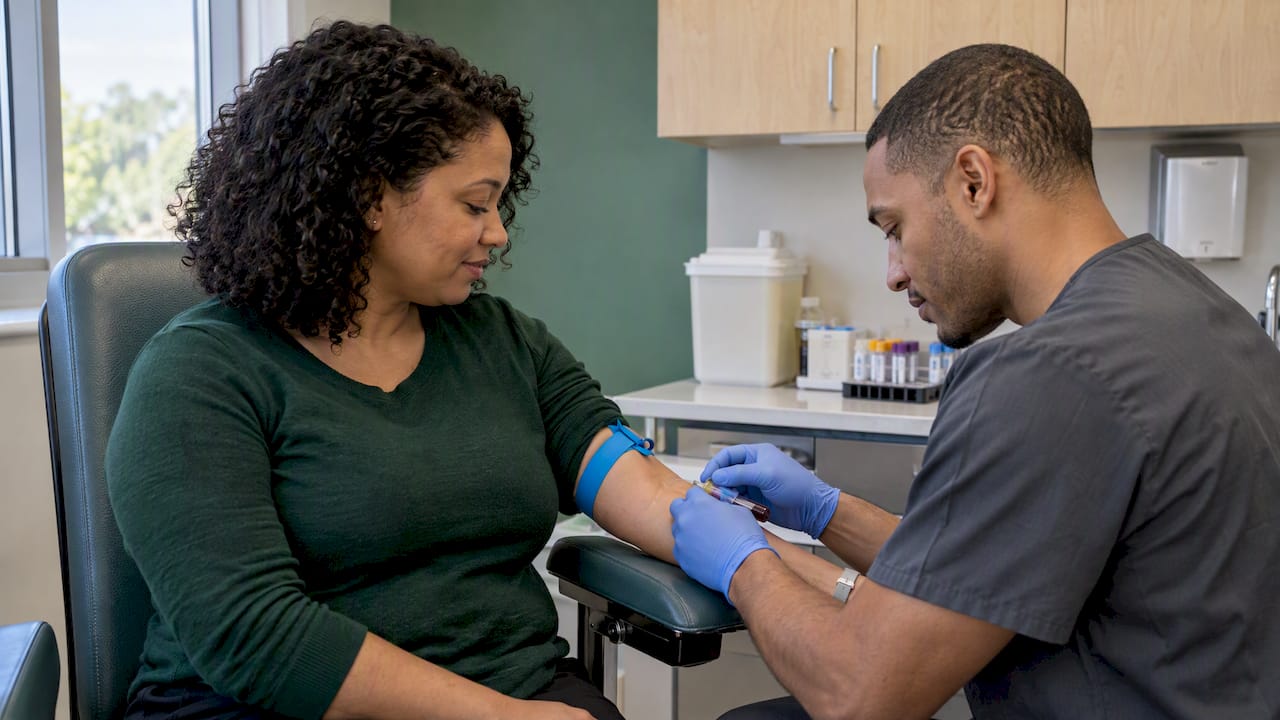
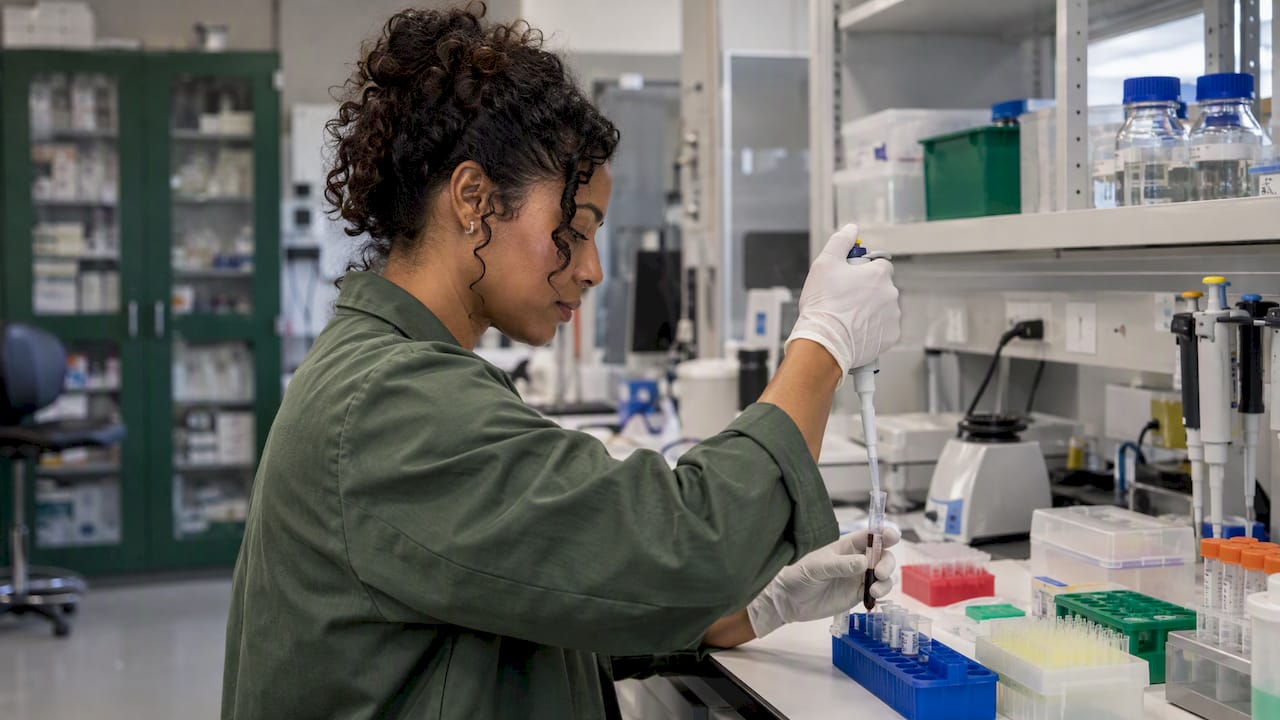
A 2022 human-blood assay report describes an enzymatic method for measuring NAD+ and compares control subjects with patient groups. Its discussion raises blood-collection timing and assay differences as issues for interpreting earlier findings and studying circadian variation.
That is a measurement question, not a supplement-timing trial. A single blood result cannot map your daily curve, show what is happening in every organ, or identify the hour when a capsule would work best. A difference between patient and control groups also does not establish that changing NAD would treat the underlying disease.
Questions to ask about a rhythm claim
- Was the study in people, animals or cells?
- Did it measure NAD+, NADH, their ratio or another metabolite?
- Was the sample whole blood, a particular blood-cell type or tissue?
- Were multiple samples collected across time from the same participants?
- How were sample handling, meals, sleep and other conditions recorded?
- Did it compare a clinical outcome after different treatment times, or only describe a biological pattern?
Keep an unknown marked as unknown. An animal's active phase is not a clock time that can simply be copied into a human routine. A biological mechanism supports a research question; it does not validate a finished formula's effectiveness.
Use an existing report without self-diagnosing
If you already have a laboratory report, preserve its date, collection time, sample type, method, units and reference information. Ask the ordering clinician whether those details affect interpretation and whether any further measurement would change care. This guide does not recommend routine NAD testing or interpreting one value as a deficiency.
Keep medicine and supplement instructions specific
Do not start a morning-versus-evening self-trial, change meal timing or alter a prescribed treatment solely to follow a claimed NAD peak. Ask a pharmacist or clinician how the exact formula and your medicines affect any timing discussion. Follow the instructions applicable to your product and care plan.
Our NAD measurement guide and ingredient-review checklist help organize those questions. Label detail, a biomarker result and proof of benefit remain separate pieces of evidence.