Cart
0

An afternoon slump is a predictable dip in alertness that hits most people between 1 pm and 3 pm, driven by your circadian rhythm and made worse by what you ate at lunch. The fastest fixes are hydration, a protein and fiber snack, and a short walk or stretch break. If drowsiness is severe, daily, or paired with loud snoring, talk to a doctor.
TL;DR:
- Drinking 12 to 16 ounces of water and eating a snack with protein and fiber can reduce the severity of the afternoon slump.
- Consuming high-protein, low-glycemic meals and snacks, such as nuts or Greek yogurt, helps stabilize blood sugar levels and prevent crashes.
- Short activity breaks every 45 to 90 minutes, especially outdoors or near natural light, quickly restore circulation and focus.
- Ensuring adequate sleep, avoiding caffeine late in the day, and addressing sleep disorders diminish daytime drowsiness and improve alertness.
- Supplementing with organic, third-party tested products like Pureblue can support energy levels when lifestyle changes alone are insufficient.
Table of Contents
- What Causes the Afternoon Slump: Circadian Biology and Common Amplifiers
- Eat and Drink: Nutrition and Hydration Rules That Actually Prevent Crashes
- Move: Short Activity Breaks That Restore Focus Fast
- Naps and Sleep Hygiene: Fixing the Root of Daytime Drowsiness
- Quick In-the-Moment Fixes for When the Slump Hits Right Now
- Managing Energy Instead of Chasing Stimulants
- Where Pureblue Fits Into Your Afternoon Energy Routine
- Sources
What Causes the Afternoon Slump: Circadian Biology and Common Amplifiers
Your body runs on more than one internal clock. Alongside the 24 hour circadian rhythm that makes you sleepy at night, there’s a shorter midday dip that typically occurs between 1 pm and 3 pm, regardless of what’s on your lunch plate. That’s the baseline. What determines whether it’s mild or brutal is everything stacked on top of it.
A skipped or low-protein breakfast sets you up for trouble hours before lunch even happens, since the energy deficit tends to build cumulatively across the morning rather than starting fresh at noon. Then a high-glycemic lunch, think white bread, sugary drinks, a big plate of pasta, spikes blood sugar fast and drops it just as fast, a pattern called reactive hypoglycemia that lands right in that 1 to 3 pm window.
Other amplifiers pile on quietly:
- Mild dehydration, which impairs concentration before you even feel thirsty
- Hours of sitting, which slows circulation and blood flow to the brain
- Insufficient sleep the night before, which lowers your baseline alertness before the dip even starts
- Undiagnosed sleep disorders, which can make an ordinary circadian dip feel like hitting a wall
Knowing which of these is doing the damage is half the fix.
Eat and Drink: Nutrition and Hydration Rules That Actually Prevent Crashes
Food and fluid intake are the two levers you control most directly, and small changes here often do more than any amount of willpower.
Start with lunch. Aim for 20 to 30 grams of protein and 5 to 10 grams of fiber, and steer clear of very high glycemic carbs (a GI of 70 or above), the kind that spike and crash blood sugar within a couple of hours. A grain bowl with chicken and beans beats a plate of white rice and soda every time, not because one is “healthier” in the abstract, but because the protein and fiber slow digestion and keep glucose steady.
Snacks follow the same logic. Good afternoon options include:
- A handful of almonds with an apple
- Greek yogurt with berries
- A tuna or salmon pouch on whole grain crackers
- A high-protein bar with low sugar content
Pro Tip: Keep one shelf-stable snack, like a protein bar or a pouch of nuts, in your desk drawer. The slump always shows up when you’re least prepared for it, and having something ready beats a vending machine run every time.
Roughly half your body weight in fluid ounces per day is a reasonable daily hydration target for most adults, and even mild dehydration is enough to blunt focus and mood.
Coffee doesn’t count toward that number. Caffeine is a stimulant, not hydration, and most healthy adults can handle moderate amounts of caffeine daily. The timing matters as much as the amount: because caffeine can affect sleep quality for 12 to 24 hours after you drink it, a 3 pm latte can quietly wreck the sleep that would have prevented tomorrow’s slump.
Move: Short Activity Breaks That Restore Focus Fast
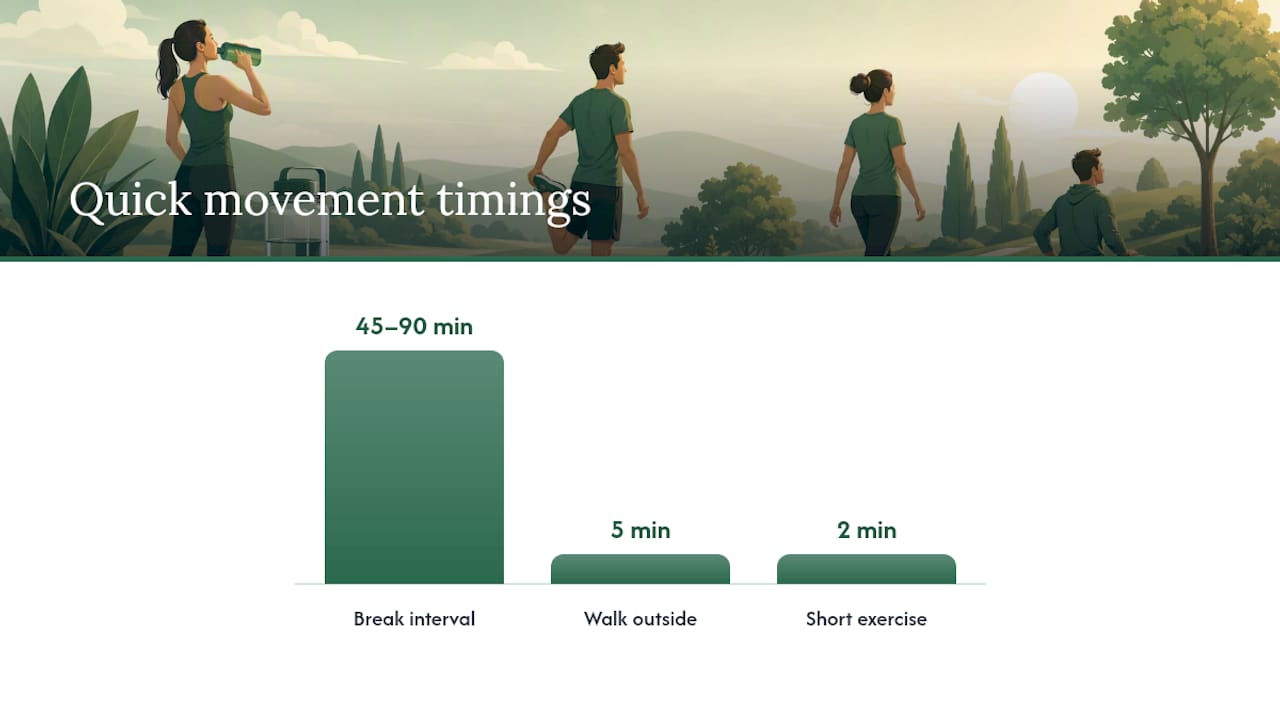
Movement is the closest thing to a free reset button you have at your desk. Short walks, stretching, or a few minutes of light exercise restore blood flow and sharpen focus almost immediately, no gym required.
Try building “exercise snacks” into your schedule every 45 to 90 minutes:
- Two minutes of standing marches or bodyweight squats
- A set of desk push-ups or wall push-ups
- A brisk five-minute walk around the building or parking lot
- A full-body stretch sequence at your desk
Combine movement with daylight exposure when you can. Stepping outside for even five minutes does double duty: it wakes up your circulation and gives your circadian system a light cue that reinforces alertness. If you run meetings, try making one a standing meeting, or schedule a five-minute stretch break at 2 pm on the calendar so it actually happens instead of getting skipped.
Naps and Sleep Hygiene: Fixing the Root of Daytime Drowsiness
If the slump hits you like a wall every single day, the fix might not be lunch at all. It might be what happened the night before.
Short naps, about 10 to 20 minutes, taken early in the post-lunch window can restore alertness without the grogginess longer naps cause. That grogginess, known as sleep inertia, is exactly why naps over 30 minutes tend to backfire, especially late in the afternoon when they start eating into your ability to fall asleep that night.
The bigger fix is nightly sleep. Most adults need 7 to 9 hours, and a few habits make that easier to hit consistently:
- Keep a consistent sleep and wake schedule, even on weekends
- Cut off caffeine at least 8 hours before bed
- Dim lights and screens in the hour before sleep
Some daytime sleepiness points to something beyond ordinary fatigue. Loud snoring, gasping or breathing pauses during sleep, or falling asleep involuntarily during the day are signs worth raising with a clinician, since conditions like sleep apnea amplify the normal circadian dip into something much harder to push through.
Quick In-the-Moment Fixes for When the Slump Hits Right Now
Sometimes you don’t have time for a strategy, you just need to function for the next hour. Here’s the order that tends to work:
- Check your water bottle first. If you haven’t had fluids in a couple of hours, drink 12 to 16 ounces before doing anything else.
- Eat something with protein and fiber, not just sugar. A handful of nuts or a yogurt cup works faster than it sounds.
- Get up and move for 5 to 10 minutes. A brisk walk, even to the bathroom and back the long way, restores circulation fast.
- Get outside or near a window. Natural light signals your brain that it’s not time to wind down.
- Splash cold water on your face if you’re stuck at a desk with no other options. It’s crude, but it works in a pinch.
- Reshuffle your task list. Push your highest focus work to earlier or later, and use the dip for email, filing, or other low-effort tasks.
Managing Energy Instead of Chasing Stimulants
Most people treat the afternoon slump as a caffeine problem. It usually isn’t. It’s a sequencing problem, breakfast, lunch, water, and sleep all stacked in the wrong order, and coffee just papers over the cracks for an hour before the crash returns worse.
The lifestyle basics come first: steady blood sugar, real hydration, movement, and consistent sleep. Once those are in place, a well-formulated supplement can be a reasonable next layer for people who want extra support, particularly one built around organic ingredients and third-party testing rather than a jolt of sugar and caffeine. That’s a fair place for something like Pureblue to fit, as a complement to the fundamentals, not a replacement for them. If fatigue persists despite doing everything right, that’s a conversation for a doctor, not another cup of coffee.
— Organic
Where Pureblue Fits Into Your Afternoon Energy Routine
Pureblue gives you a supplement option built for the exact gap between “I fixed my lunch and hydration” and “I still want more support,” without relying on sugar crashes or synthetic stimulants to get there.
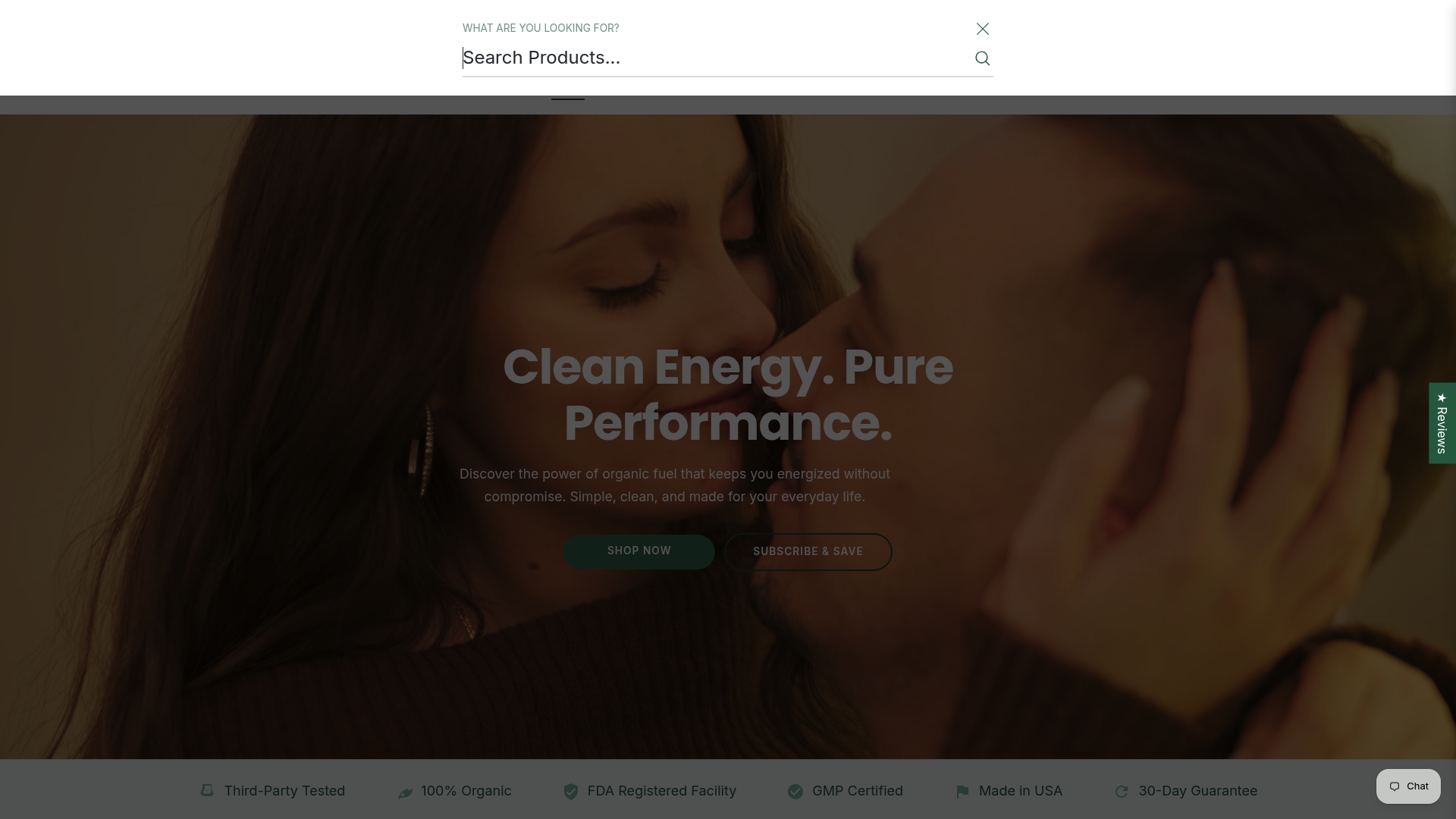
The flagship formula, Quantum Vitality NAD+ Booster+ Detox, combines a 3-in-1 NAD+ booster and detox blend using 100% organic ingredients with no artificial fillers. Every batch is third-party tested for purity and potency, manufactured in an FDA registered facility, and backed by a 4.9 out of 5 customer rating. For anyone ready to try it risk-free, there’s a free trial offer on Quantum Vitality, and for households or couples building energy support into a daily routine together, the Power Bundle offers better value than buying individually.
Fix your sleep, water, and meals first. Then, if you want extra support, browse the full Pure Blue product line and pick the option that matches your routine. If you take medications, check with your doctor before adding any new supplement.
This article is general information, not a substitute for advice from a qualified doctor. Consult a qualified healthcare professional about your own circumstances before acting on anything here.
Sources
- Beat the 3 pm Slump: Why You’re So Tired and What You Can Do About It
- Mid-afternoon slump (Franciscan Health)
- How much water should you drink? (UR Medicine)
- Overcoming Your Midafternoon Energy Slump (Johns Hopkins Medicine)