Cart
0
Sirtuins are a family of enzymes that help cells manage energy, repair DNA and respond to stress. In lab animals, changing their activity can extend lifespan. In people, no study has shown that raising sirtuin activity, by supplement or any other means, makes you live longer. What the research does support is narrower: sirtuins matter for cellular health and metabolism, they depend on NAD+, and the habits that influence them are mostly ordinary ones.
This guide separates what is established from what is marketing, and it keeps ingredient research apart from claims about any finished product.
TL;DR
- Sirtuins (SIRT1 to SIRT7) are NAD±dependent enzymes involved in metabolism, DNA repair and stress response. The nickname “longevity proteins” runs ahead of the human data.
- Lifespan extension from sirtuin manipulation is mostly shown in lower organisms and rodents. Experts disagree on how far it carries over to humans.
- NAD+ precursors such as NMN and NR raise blood NAD+ in trials, but that has not been shown to extend human life.
- Resveratrol, the classic “sirtuin activator,” has shown no consistent effect on human SIRT1 in a 2024 meta-analysis.
- Sleep, exercise, diet and stress management are the best-supported foundation. Supplements are an add-on, not a substitute.
Table of Contents
- What are sirtuins?
- Sirtuins and aging: where the idea came from
- NAD+ and sirtuins: the supplement connection
- Resveratrol: the famous sirtuin activator
- Quercetin and other “sirtuin foods”
- How to support sirtuin function without a pill
- Reading a sirtuin or NAD+ supplement label
- Where Quantum Vitality fits
- Our perspective
- FAQ
- Sources
What are sirtuins?
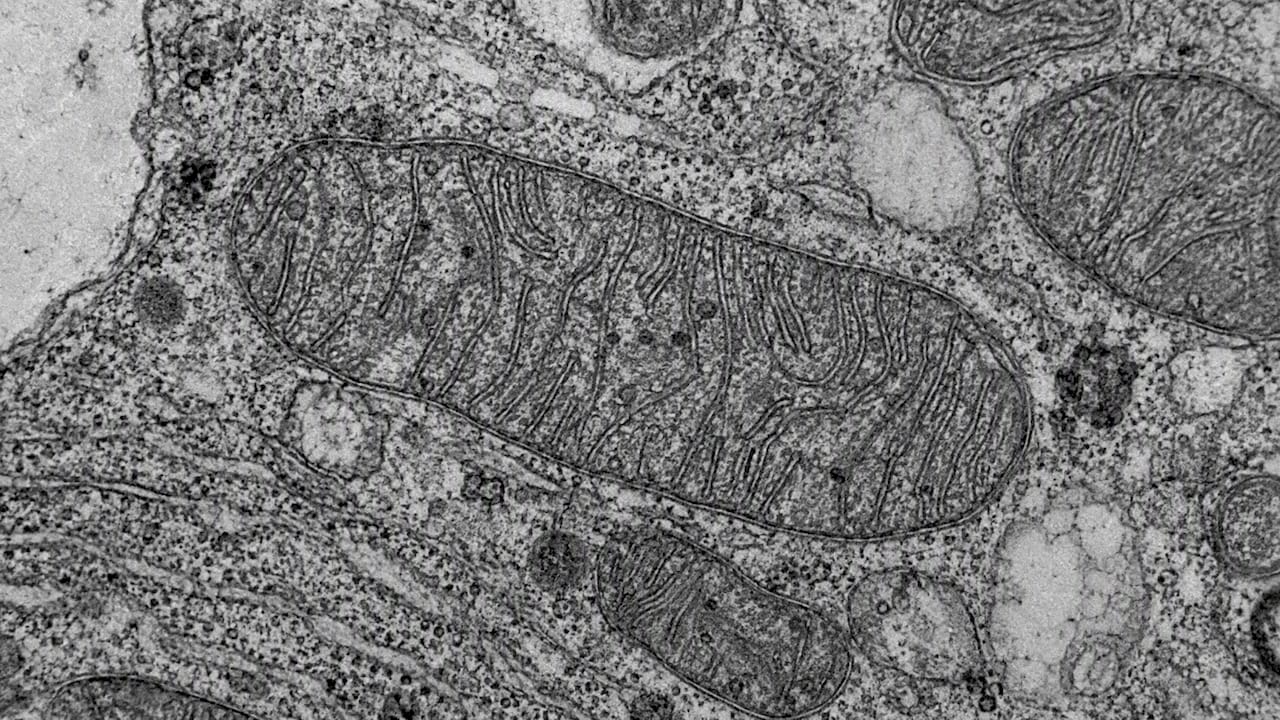
Sirtuins are proteins that remove chemical tags (acetyl groups and related groups) from other proteins, changing how those proteins behave. Humans have seven: SIRT1 to SIRT7. They work in different parts of the cell. SIRT1 and SIRT6 and SIRT7 act mainly in the nucleus, SIRT2 in the cytoplasm, and SIRT3, SIRT4 and SIRT5 in the mitochondria, the cell’s energy producers.

What they share is a requirement: they need NAD+ (nicotinamide adenine dinucleotide) to work. That dependency is why sirtuins and NAD+ are discussed together, and why NAD+ supplements are often marketed with longevity language. A 2025 review of mitochondrial sirtuins of NAD+ metabolism describes NAD+ as used both to fuel reactions and to feed NAD±consuming enzymes such as CD38 and the sirtuins, so the supply and the demand both matter.
SIRT1 is the best studied. It responds to calorie restriction and fasting and is often described as an “anti-aging” enzyme, a label that a review of nutraceutical Sirt1 activation itself treats as an oversimplification worth testing.
Sirtuins and aging: where the idea came from
The excitement began with yeast and worms, where extra copies of a sirtuin gene (Sir2) were reported to lengthen lifespan. Later work linked sirtuins to calorie restriction, the most reliably lifespan-extending intervention in animals. In rodents, calorie restriction can raise lifespan by up to roughly 30%, according to the 2024 resveratrol meta-analysis summary of that literature.
Then the story got complicated. Some researchers argue that the lifespan effects in the earliest model organisms were overstated, and that sirtuins are valuable for health and metabolism without being conserved longevity genes. One paper in Life Metabolism makes exactly that case, titled “Sirtuins are not conserved longevity genes.” Others still see sirtuins as central regulators of aging, and a 2025 narrative review continues to examine their role in slowing age-related decline.
Honest summary: sirtuins are real, important and worth studying. Whether turning them up extends a human life is an open question.

What genes can and cannot tell you
People often ask whether longevity is just genetic. The National Institute on Aging cites an estimate that excess longevity is about 15% heritable, and notes that siblings in families with a centenarian are far more likely to reach 100. That leaves a large share to environment and lifestyle. No single gene, sirtuin included, decides the outcome.
NAD+ and sirtuins: the supplement connection
Because sirtuins burn NAD+, and NAD+ levels tend to fall with age, a natural question is whether replenishing NAD+ helps sirtuins work. Two precursors dominate the research: nicotinamide mononucleotide (NMN) and nicotinamide riboside (NR).
What the human data show so far:
- Blood NAD+ goes up. As of mid-2025 there were over 60 clinical trials of NR and 16 of NMN. In trials of 250 mg a day of NMN over 12 weeks, whole-blood NAD+ rose without reported adverse clinical abnormalities.
- Lifespan is unproven. Raising a blood marker is not the same as extending life or reversing aging, and the same literature says so.
- Response varies. A review of NMN in aging and a paper on metabolic variability both point to individual differences in uptake and metabolism, so results are not one-size-fits-all.
There is also a subtler point. Some researchers now describe an “NAD+/SIRT1 axis”: supply of NAD+ is only half the picture, and protecting existing NAD+ from being consumed by enzymes such as CD38 may matter too, as discussed in a review of that axis. That is a research direction, not a product claim.
If you want the head-to-head detail on the precursors, we have written it up in NAD+ vs NMN: what the human evidence actually shows and NR vs NMN.
Why oxidative stress changes the picture
Sirtuin function is sensitive to the cell’s environment. Oxidative stress can activate DNA-repair enzymes (PARPs) that consume NAD+, and can also trigger sirtuin breakdown. The Sirt1 nutraceutical review discusses this. The practical reading is that a precursor is unlikely to work in isolation if sleep, diet and activity leave the body under constant strain.
Resveratrol: the famous sirtuin activator
Resveratrol, a polyphenol found in grape skins and red wine, was once the poster ingredient for sirtuin activation. Human results have been much less tidy than the early lab work.
A 2024 systematic review and dose-response meta-analysis of 11 randomized controlled trials found no significant effect of resveratrol on human SIRT1 gene or protein expression. One reason is bioavailability: resveratrol is absorbed poorly and metabolized quickly in the intestine and liver, a limitation covered in the Sirt1 nutraceutical review. Doses that worked in rodents do not translate neatly to people.
That does not make the ingredient useless or unsafe. It means that “contains resveratrol” on a label is not evidence of sirtuin activation in you. For a comparison with NMN, see Resveratrol vs NMN: which one fits your longevity goals?
Quercetin and other “sirtuin foods”
Searches for foods that activate sirtuins usually lead to a list: red grapes, berries, green tea, cocoa, onions, apples, olive oil, turmeric. Quercetin, a flavonoid in onions, apples and capers, gets mentioned often as well.
Here is the careful version. Many of these foods contain polyphenols that activate sirtuins in cell or animal experiments. Direct human evidence that eating a given food raises sirtuin activity in a meaningful way is thin, and we did not find a human trial showing that quercetin does so. Eating these foods is still a sensible pattern for other reasons, but nobody can promise a sirtuin effect from a salad.
What has the strongest support across species is calorie restriction and fasting, which raise sirtuin activity in animals. That is a research finding, not advice to eat less. Anyone considering fasting or a calorie deficit, especially with diabetes, pregnancy, an eating disorder history or medication that affects blood sugar, should talk to a physician first.
How to support sirtuin function without a pill
The NIA’s overview of epigenetics and aging explains that diet, sleep, exercise and stress management change the chemical marks on DNA that regulate gene expression. Sirtuins are part of that regulatory network. So the lifestyle foundation is not a consolation prize. It is the main lever with the best evidence.
- Move regularly. Strength work and cardio both matter for healthy aging. One practical outline is this training plan for longevity after 40, which pairs strength sessions twice a week with 150 minutes of cardio.
- Protect sleep. NAD+ and SIRT1 are tied to circadian biology. Our article on NAD and sleep covers the mechanisms and a safety checklist.
- Eat a varied, plant-rich diet. Not because of one magic compound, but because it lowers the overall metabolic and inflammatory load.
- Manage stress and alcohol. Both add to oxidative burden.
- Keep bones and muscle strong. Healthy aging depends on staying able to load your body. A lifestyle-first guide to healthy aging and bones is a useful read for people over 50.
For a step-by-step plan aimed at NAD+ specifically, see how to increase NAD naturally in four weeks.
Reading a sirtuin or NAD+ supplement label
Once you decide a supplement might be worth adding, treat the label like evidence, not advertising.
| What to check | Why it matters |
|---|---|
| Named ingredient and form (NMN, NR, resveratrol) | Studies test specific compounds, so the form on the label should match the form studied. |
| Amount per serving | Trial doses (for example 250 mg a day of NMN) are not the same as a proprietary blend with no breakdown. |
| Proprietary blends | If amounts are hidden, you cannot compare against any study. |
| Claims about sirtuins or lifespan | Ingredient research in a different population does not prove an effect from a finished product. |
| Testing and certification statements | Look for a specific, verifiable document, not a general phrase. |
| Your own situation | Medications, pregnancy, and medical conditions all change what is appropriate. Ask your doctor or pharmacist. |
A fair rule: evidence about an ingredient is one thing, evidence about a finished formula is another. Unless a study tested the actual product at its actual dose, the claim is a hypothesis.
Where Quantum Vitality fits
If you want a NAD±focused supplement alongside the habits above, Quantum Vitality NAD+ Booster+ Detox is the product in our catalog built around that idea. It is listed at $69.99 as a one-time purchase. Before you buy, check the current listing and the package for the exact formula, serving size and directions, because those details are what matter, not our summary of them. Shipping Protection is an optional $1.99 add-on.
We do not claim that this product extends lifespan or activates sirtuins in humans. The research above is about NAD+ precursors as ingredients, and it does not prove effects for any finished formula. You can also browse the rest of the Pure Blue collections if you are comparing gummies against capsules.

Our perspective
We sell supplements, so you should know where we stand. Sirtuins are one of the more interesting areas in aging biology, and they are also one of the most over-marketed. The evidence that NAD+ precursors raise blood NAD+ is solid enough to take seriously. The step from there to “you will live longer” is not supported, and we do not make it.
Our view is that a supplement belongs on top of sleep, training and food, never in place of them. We think shoppers are best served by labels that state the ingredient, the amount and the form, and by writing that keeps ingredient research separate from claims about a finished product. Read the current listing, check the package, and ask a clinician if you take medication or have a condition. If a brand, including ours, promises more than the studies do, trust the studies.
— Pure Blue
FAQ
Do sirtuins really make you live longer?
In yeast, worms and some rodent experiments, changing sirtuin activity has affected lifespan, though some researchers dispute how general that is. In humans, no trial has shown that boosting sirtuins extends life. Treat them as important to cellular health, not as a proven longevity switch.
How can I increase sirtuins naturally?
The best-supported route is lifestyle: regular exercise, enough sleep, a plant-rich diet and stress management, which influence the pathways sirtuins sit in. Calorie restriction raises sirtuin activity in animals, but it is not advice for everyone, so speak to a doctor before changing how you eat. Individual supplements have shown mixed results in humans.
Does resveratrol affect longevity?
Not in any way shown in people. A 2024 meta-analysis of 11 randomized trials found no significant effect on human SIRT1 expression, and resveratrol is poorly absorbed. Early rodent results have not translated reliably.
What inhibits sirtuins?
Sirtuins need NAD+, so anything that drains it can reduce their activity. Oxidative stress is one example, because it activates PARP enzymes that consume NAD+ and can trigger sirtuin degradation. Persistent poor sleep and heavy metabolic strain are plausible contributors, but this is mostly lab-based understanding.
Do NAD+ boosters activate sirtuins?
NAD+ is required for sirtuin activity, and NMN and NR raise blood NAD+ in trials. That is not the same as showing greater sirtuin activity or better health outcomes in a given person. Results vary between individuals.
Sources
- NIA: Biology of Aging, genetic influences on longevity
- NIA: Epigenetics and aging
- Resveratrol and human Sirt1: systematic review and meta-analysis
- Role of NAD+ metabolism and mitochondria in aging and disease
- Role and potential mechanisms of NMN in aging
- NMN supplementation: metabolic variability and clinical implications
- Nutraceutical activation of Sirt1: a review
- NAD+/SIRT1 axis review
- Sirtuins are not conserved longevity genes
- An update on the role of sirtuins in the prevention of aging: narrative review