Cart
0

A cleanse and a detox are not the same thing, even though marketers use them interchangeably. A cleanse usually targets your gut, aiming to “flush” the digestive tract over a few days. A detox claims something bigger: that it helps your body eliminate toxins from your liver, blood, or skin. Neither one has strong clinical backing for that broader promise, and the NCCIH is blunt about it: most commercial versions lack solid evidence of removing anything harmful.
- Cleanses: GI-focused, short-term, often just fiber or laxative-driven.
- Detoxes: broader claims about organs like the liver and kidneys, rarely measurable.
- Weight loss from either is usually due to water and calorie reduction, not fat.
Quick fact: Programs involving laxatives or enemas carry real risk of dehydration and electrolyte imbalance, according to the same NCCIH review. If you have a kidney, liver, or heart condition, talk to a clinician before trying either.
Key Takeaways
The clearest fact in the cleanse-versus-detox debate is that neither approach has strong evidence for removing toxins, while both carry documented risks when they involve laxatives, fasting, or colonics.
| Point | Details |
|---|---|
| Terms differ in scope | Cleanses target the gut; detoxes claim broader organ-level effects with far less measurable proof. |
| Weight loss is usually water | Short-term drops reflect calorie and fluid loss, not fat or toxin removal, per NCCIH and Banner Health. |
| Risks are documented, not rare | Dehydration, electrolyte imbalance, and malabsorption appear repeatedly in clinical reviews of laxative and colonic use. |
| Daily habits beat quick fixes | Fiber, protein, hydration, sleep, and movement support the liver and kidneys better than any short-term program. |
| Pure Blue positions supplements as adjuncts | Quantum Vitality is third-party tested and organic, meant to support habits, not replace clinical care. |
Table of Contents
- Cleanse vs. Detox: How the Terms Are Actually Used
- What Does the Research Actually Say About Detoxing?
- Are There Real Benefits, or Just Perceived Ones?
- What Are the Most Common Detox and Cleanse Programs?
- What Habits Actually Support Your Body’s Detox Systems?
- Where a Supplement Like Pure Blue’s Fits Into This Picture
- What This Comparison Gets Wrong in Most Advertising
- Try Quantum Vitality as Part of Your Routine, Not a Replacement for It
- Sources
Cleanse vs. Detox: How the Terms Are Actually Used
The words get thrown around loosely, but the mechanics differ. A juice cleanse restricts you to liquids for a few days, cutting fiber and calories sharply. Colonics or enemas physically clear the bowel. A “liver detox” or heavy-metal cleanse implies something closer to chelation, a real medical procedure used for actual metal poisoning, supervised by a doctor. Slapping that word on a tea or supplement doesn’t make it the same thing.
Here’s the practical test worth applying to any program: can it name the toxin it removes, and how does it measure that removal? If a product can’t answer either question, you’re looking at marketing language, not a medical claim. The Cleveland Clinic draws this same line: cleanses tend to work on the gut; detoxes claim to work on organs that already have their own elimination systems.
- Juice cleanse: fiber restriction, calorie deficit, short-term.
- Colon cleanse: mechanical flushing of the bowel.
- “Liver detox” supplement: vague organ claim, rarely measurable.
- Chelation therapy: real, supervised, used for metal toxicity, not sold over the counter.
Your liver and kidneys already filter what your blood carries, continuously, without a juice regimen prompting them.
What Does the Research Actually Say About Detoxing?
Health authorities have looked hard at commercial detox and cleanse claims, and the findings are consistent: there’s little rigorous evidence that any of them speed up toxin elimination. The NCCIH’s review found that reported short-term weight loss during these programs comes from calorie restriction and water loss, not fat burned off or toxins flushed out.
MD Anderson Cancer Center takes a similarly direct stance: extreme cleanses rarely help and are not a substitute for consistent, nutrient-dense eating. Their researchers also point out that short juice-only regimens can shift your gut microbiome in ways that trigger inflammation or GI upset in some people.
The risk side is well documented too. Clinical literature on colon cleansing and laxative misuse links these practices to:
- Dehydration severe enough to require treatment
- Electrolyte imbalances that can cause arrhythmias or confusion
- Malabsorption from repeated bowel clearing
A PMC clinical review documents these adverse events directly tied to stimulant laxatives and colon hydrotherapy, not as rare edge cases but as recurring findings.
Are There Real Benefits, or Just Perceived Ones?
People genuinely feel different after a cleanse: less bloated, a few pounds lighter, sometimes clearer-headed. Those effects are real, but the explanation is usually simpler than “toxin removal.” Banner Health’s clinicians note that reported benefits often trace back to eating fewer processed foods and fewer calories for a few days, not detoxification. Cutting soda, fried food, and alcohol for 72 hours will make almost anyone feel lighter.
The harms are less pleasant and better documented:
- Electrolyte imbalance from stimulant laxatives or extended fasting, which can trigger arrhythmias and severe weakness
- Dehydration from diuretic teas or extreme fluid restriction
- Nutrient deficiencies from cutting out entire food groups for days
- Infection or bowel injury risk from colon hydrotherapy
Pro Tip: Before starting any cleanse or detox program, ask yourself whether you could describe exactly what toxin it removes and how. If you can’t, you’re buying a story, not a treatment.
Certain groups should skip these programs entirely: pregnant or breastfeeding people, anyone with kidney or liver disease, people with a history of disordered eating, and anyone on regular medication, since fasting or laxative use can alter how drugs absorb.
What Are the Most Common Detox and Cleanse Programs?
Most programs sold today fall into a handful of categories, each with its own mechanism and its own catch.
- Juice cleanses strip out fiber and protein, leaving you in a calorie deficit that can shift your gut microbiome within days.
- Extended fasting drops blood sugar and energy levels, and it can interact badly with diabetes or blood pressure medication.
- Laxative and detox teas often rely on stimulant ingredients like senna, which the body can grow dependent on with repeated use.
- Colon hydrotherapy (colonics) carries documented risk of irritation, infection, and bowel injury, per clinical case reviews.
- Detox supplements sit in a regulatory gray zone; ingredient quality and interaction risk vary widely by manufacturer.
- Saunas and sweat-based detoxes make you sweat, not detox. Sweating removes water and electrolytes, not stored toxins, and can leave you dehydrated fast.
What Habits Actually Support Your Body’s Detox Systems?
Your liver, kidneys, lungs, skin, and gut already run detox around the clock. No program speeds that up, but daily habits can support how well those organs function.
- Eat more fiber and whole foods. Fiber feeds the gut bacteria that help process waste and keeps digestion moving without laxatives.
- Get enough protein. Your liver needs amino acids to run its own detoxification enzymes.
- Stay consistently hydrated. Water supports kidney filtration far better than a single “detox water” recipe ever will.
- Limit alcohol. It’s one of the few substances that directly taxes liver function.
- Prioritize sleep and regular movement. Both support metabolic and hormonal balance tied to how efficiently your body processes waste.
A Northwell Health dietitian puts this plainly: consistent nutrition beats any short-term fix. If you’re targeting a specific concern, a registered dietitian or clinician can order actual lab work instead of guessing.
Pro Tip: If you want a genuine reset, aim for two weeks of the habits above instead of three days of juice. The gut microbiome and liver enzymes respond to consistency, not intensity.
Where a Supplement Like Pure Blue’s Fits Into This Picture
A well-formulated supplement won’t replace fiber, sleep, or hydration, but it can support the systems already doing the work. Pure Blue’s Quantum Vitality NAD+ Booster+ Detox is built around that distinction: it’s positioned as an adjunct to daily habits, not a stand-in for them.
- Third-party tested for purity and potency
- Manufactured in an FDA-registered facility
- Organic formulation, free of artificial fillers
- Rated 4.9 out of 5 by customers
A supplement earns its place by supporting what your body already does well, not by promising to do the work your liver and kidneys were built to handle.
If you’re weighing whether a supplement makes sense for your routine at all, this breakdown walks through when it’s worth adding one.
What This Comparison Gets Wrong in Most Advertising
Most detox marketing sells urgency: three days, one juice, a total reset. That framing gets the biology backward. Your liver and kidneys don’t need a rescue mission; they need consistent inputs, fiber, protein, sleep, water, over weeks, not a dramatic intervention over a weekend.
The bigger blind spot is how casually “detox” gets used as a synonym for “diet,” which recent insights explain in why a detox skincare routine matters and how topical detox trends differ from internal claims. A three day juice cleanse and a supervised chelation protocol for lead poisoning share a word and nothing else. That gap between the medical term and the marketing term is where most of the misleading claims live.
What should you actually prioritize? Skip anything that can’t name a mechanism or a measurement. Build the boring habits first: fiber, protein, water, sleep, movement. If you want extra support on top of that foundation, look for a supplement with real third-party testing behind it rather than a bold claim on the label. That’s the difference between a product that supports your body’s own systems and one that’s just selling you a story.
Try Quantum Vitality as Part of Your Routine, Not a Replacement for It
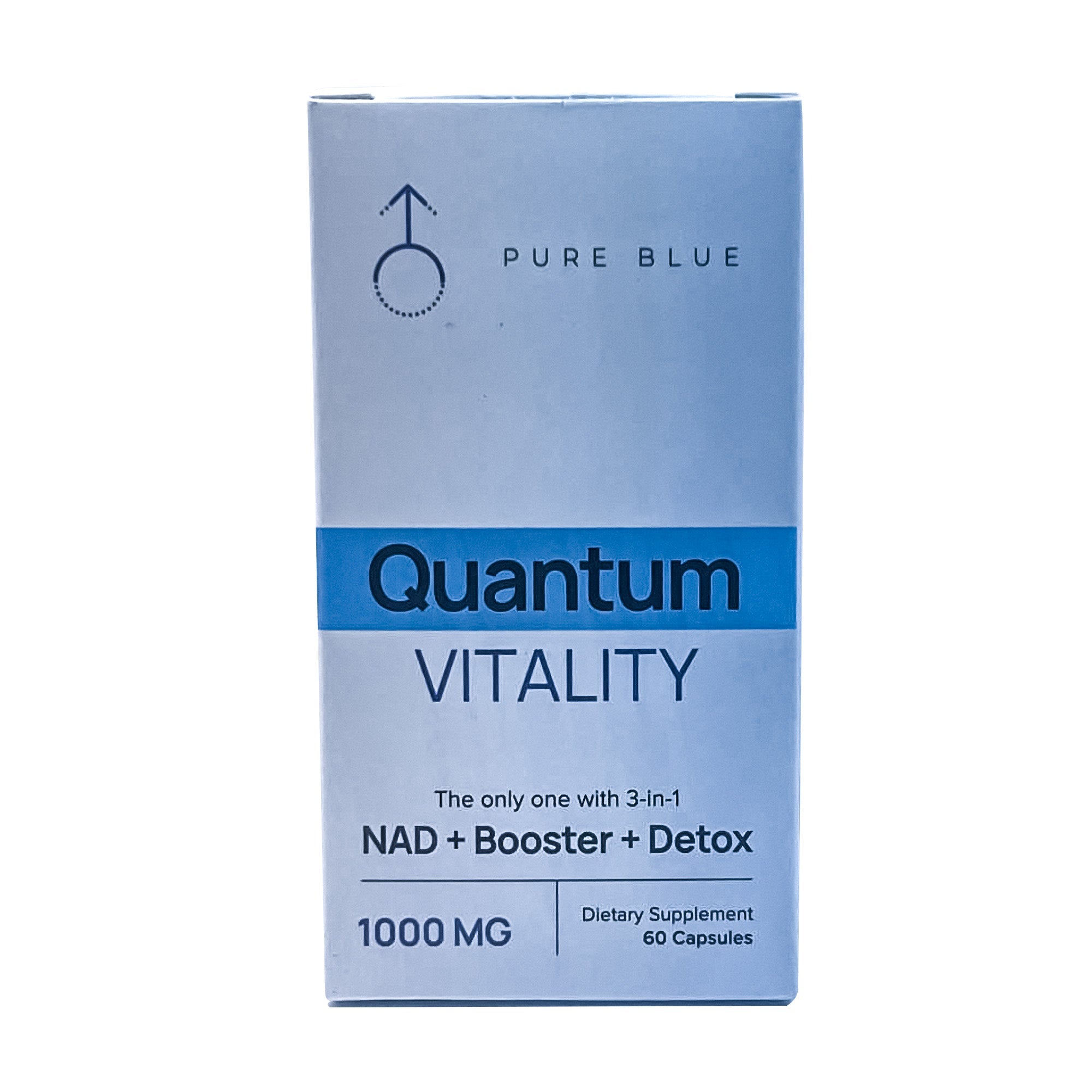
Pure Blue built Quantum Vitality for people who want more energy and mental clarity without buying into miracle claims. It’s a 3-in-1 NAD+ booster and detox formula, organic, third-party tested, and made in an FDA-registered facility, designed to support your body’s existing systems rather than promise a reset in a bottle.
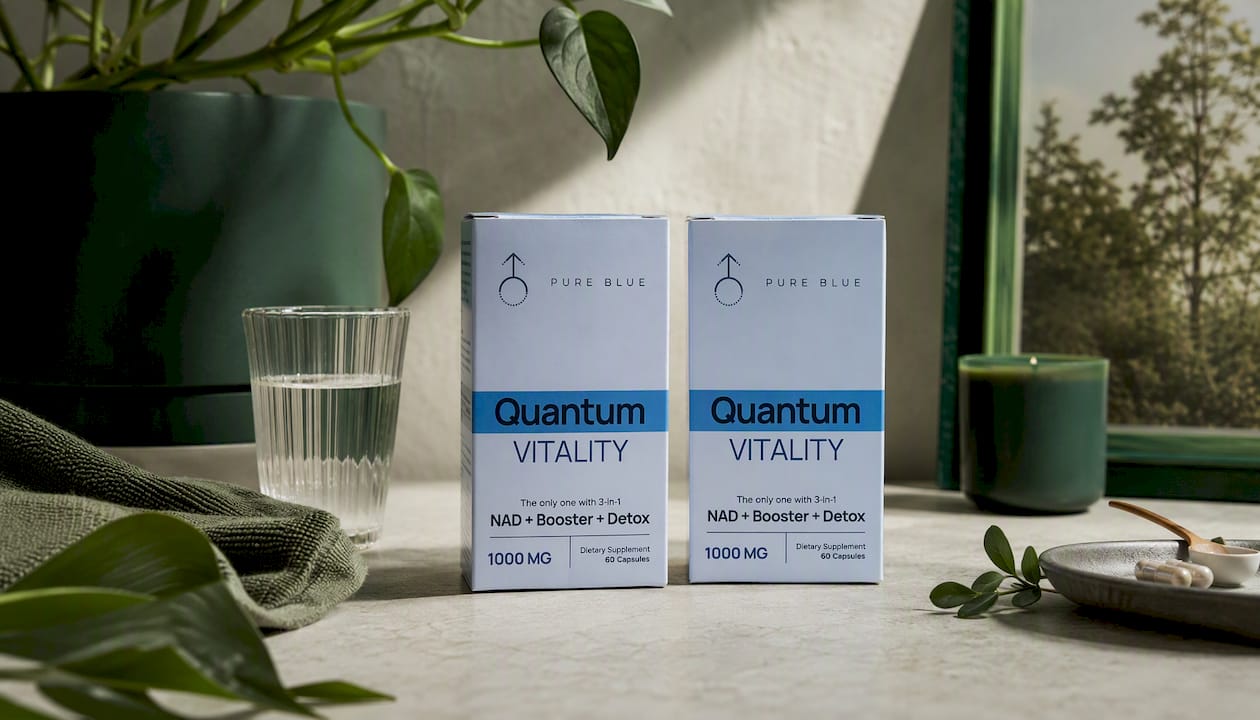
It may suit active adults looking for a daily energy and clarity boost alongside the habits covered above: solid fiber intake, hydration, sleep, and movement. It’s not the right fit for everyone. If you’re pregnant, breastfeeding, managing a chronic kidney or liver condition, or taking regular prescription medication, check with your doctor before adding any new supplement, including this one.
If you want to see how it fits into your routine before committing, start with the free trial offer, or go straight to the full-size Quantum Vitality and see whether it earns a place in your daily stack.
Sources
- “Detoxes” and “Cleanses”: What You Need To Know — NCCIH
- Detox or Cleanse: What To Know Before You Start — Cleveland Clinic
- The facts behind 5 detox myths — MD Anderson Cancer Center
- PMC article on risks associated with colon cleansing and laxative misuse