Cart
0

The most effective “detox foods for liver” strategy today is not food at all. It’s a verified, organic NAD+ precursor supplement, specifically one built around NR or NMN, backed by a Certificate of Analysis. If you’re evaluating one, check the CoA first, confirm the dose sits inside studied ranges, and talk to a doctor before starting if you have liver disease, kidney disease, or diabetes.
TL;DR:
- Most effective liver detox support now comes from verified NAD+ precursor supplements like NR or NMN, not from food alone.
- Clinical doses for NAD+ precursors range from 250 to 1,000 mg daily, and products should be independently tested for purity and accurate dosing.
- Human studies show anti-inflammatory benefits of NAD+ precursors but limited and inconsistent effects on liver enzymes and metabolic markers.
- People with liver, kidney, or diabetes conditions should consult a healthcare provider before starting NAD+ supplements, especially if on medications.
- Combining NAD+ precursors with lifestyle habits like hydration, exercise, and liver-supportive foods enhances overall liver health and regenerative capacity.
Table of Contents
- What to Look for in an Organic NAD+ Booster for Liver Support
- What the Research Actually Shows About NAD+ Precursors and Liver Health
- Who Should Be Cautious With NAD+ Supplementation
- How to Start an NAD+ Booster and What Timeline to Expect
- Foods That Support Liver Function Alongside Supplementation
- How These Foods Support Liver Function at the Cellular Level
- Building Liver-Friendly Meals Into Your Week
- When Detox Foods and Medications Don’t Mix
- Lifestyle Habits That Multiply Your Liver’s Diet-Based Support
- Why We Built Quantum Vitality the Way We Did
- Ready to Try an Organic NAD+ Booster Backed by Real Testing
- Sources
What to Look for in an Organic NAD+ Booster for Liver Support
Not every bottle labeled “NAD+ booster” deserves a spot in your cabinet. Ingredient quality, dose accuracy, and manufacturing transparency separate the products worth your money from the ones riding a trend.
Start with the precursor. Nicotinamide riboside (NR) and nicotinamide mononucleotide (NMN) dominate the market, and for good reason: they have the deepest research base among NAD+ precursors. Newer forms like NRH and NMNH are emerging in preclinical work, but they lack the human trial history NR and NMN have accumulated. NR tends to skip the flushing sensation associated with plain niacin, while NMN is frequently marketed at higher milligram counts. Neither advantage matters much if the product isn’t independently tested.
Dose matters more than marketing copy. Clinical trials on NAD+ precursors commonly use doses between 250 mg and 1,000 mg daily, and a buyer’s guide focused on organic NAD supplements notes trials have tested NMN in the 250–900 mg range and NR between 300 mg and 1,000 mg. A label that lists a dose far outside that band, high or low, deserves a second look.
Run through this checklist before buying:
- Confirm the active precursor (NR, NMN, or a blend) and its exact milligram dose per serving.
- Look for USDA Organic or an equivalent certification on the excipients, not just the marketing headline.
- Request or locate the Certificate of Analysis confirming third-party lab testing for purity and potency.
- Verify the product is manufactured in an FDA-registered facility.
- Check for artificial fillers, synthetic binders, or unnecessary additives in the ingredient list.
- Note whether cofactors like resveratrol, trimethylglycine (TMG), or piperine are included to support absorption and methylation.
A few things separate a serious formula from a shortcut:
- Capsules generally offer more consistent dosing than loose powders, though powders allow flexible titration.
- TMG supports methylation pathways that NAD+ metabolism draws on, which matters because NAD+ precursors can tax those pathways over time.
- Piperine and similar bioavailability enhancers can improve absorption, but only when the base ingredient is already high quality.
Pro Tip: Don’t judge a supplement by the “organic” label alone. Organic certification tells you about the growing and processing standards for excipients, not the purity or dose accuracy of the active NAD+ precursor. Always cross-check the CoA against the label claim.
What the Research Actually Shows About NAD+ Precursors and Liver Health
The animal data is genuinely striking. The human data is more cautious. Both matter if you’re spending money on a bottle.
In a rodent model of metabolic liver disease, NR dosed at a high level for a short period cut liver triglycerides substantially and dropped fasting insulin markedly, according to research on NAD supplementation and liver disease. That’s a fast, substantial shift in a short window, and it’s the kind of result that generates enthusiasm around NAD+ precursors as metabolic support.
The gap between models: A 40% reduction in liver triglycerides in one week sounds like a cure. It’s a mouse result at a dose scaled to body weight that doesn’t translate directly to a human capsule count. Treat it as mechanistic evidence, not a guarantee.
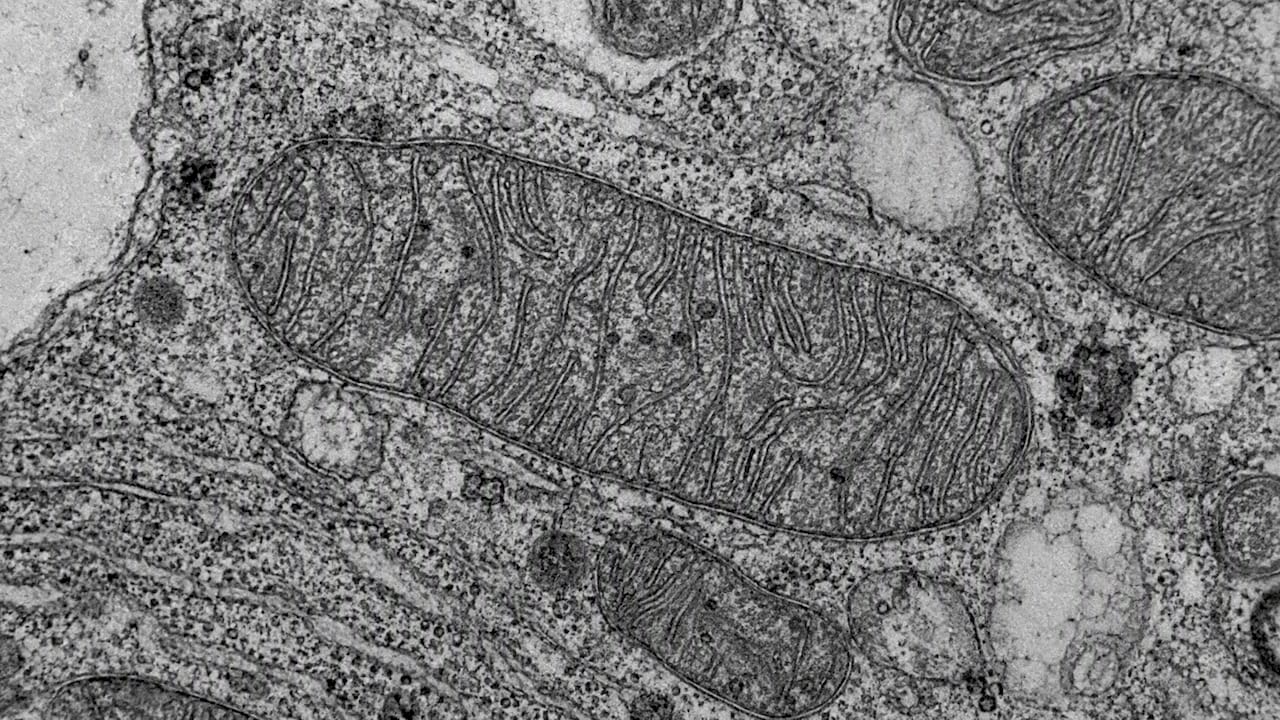
The mechanism behind that result centers on mitochondria. Hepatocytes, the liver’s primary working cells, depend on mitochondrial NAD+ levels to regenerate and repair themselves. Research on the transporter protein SLC25A51 found that boosting mitochondrial NAD+ pools improved liver regeneration and mitochondrial function in mouse models of liver recovery. NAD+ also activates sirloins, a family of enzymes tied to fatty acid oxidation, which helps explain why precursor supplementation shows up so consistently in fatty liver research.
Human evidence tells a more measured story. A meta-analysis pooling 45 trials found NAD+ precursor supplementation associated with a meaningful reduction in C-reactive protein, a marker of inflammation, but also a small increase in fasting glucose and HbA1c across the pooled data. Critically, the same analysis found no consistent change in liver enzymes like AST and ALT overall, with outcomes varying by which precursor was used and how long people took it.
- Rodent studies show strong, fast metabolic improvements at scaled doses.
- Human trials show consistent anti-inflammatory signals but mixed metabolic effects.
- Liver enzyme changes in human trials are inconsistent, not uniformly positive.
- Combining NR with cofactors like L-carnitine or NAC produced stronger hepatoprotective effects in preclinical models than NR taken alone, per a review of NAD+ combination strategies.
If you want an evidence-backed choice, favor products with published dosing that mirrors trial ranges, and don’t expect enzyme panels to shift dramatically in weeks. The clearest human benefit so far is inflammatory, not a direct liver enzyme fix.
Who Should Be Cautious With NAD+ Supplementation
NAD+ precursors are generally well tolerated, but “generally” isn’t “universally.” A handful of side effects show up consistently enough in the research to take seriously.
Reported effects include mild gastrointestinal upset, headache, dizziness, and flushing, particularly with niacin-adjacent compounds, according to a consumer health overview of NAD+ supplements. The meta-analytic data adds a subtler concern: small upward shifts in fasting glucose and HbA1c across pooled trials, which matters if you’re already managing blood sugar.
Certain groups need medical clearance before starting, not as a formality but because the interactions are real:
- People with existing liver or kidney disease, since precursor metabolism runs through both organs.
- People with diabetes or prediabetes, given the glucose and HbA1c signals in trial data.
- Pregnant or nursing individuals, where NAD+ precursor safety data is limited.
- Anyone taking medications metabolized through similar liver pathways, where interaction risk is unstudied.
Baseline labs make the whole process safer. Before starting, get ALT and AST checked along with fasting glucose or HbA1c. Repeat those labs at the 8 to 12 week mark to see whether anything shifted, especially if you have any risk factors above.
Pro Tip: If you notice new fatigue, yellowing skin or eyes, dark urine, or persistent nausea after starting an NAD+ precursor, stop the supplement and contact a healthcare provider. These aren’t common reactions, but they’re not ones to wait out.
How to Start an NAD+ Booster and What Timeline to Expect
Titration beats jumping straight to a maximum dose. Start at the lower end of the studied range, roughly 250 mg for NMN or 300 mg for NR, and hold there for one to two weeks while watching for GI upset or flushing.
- Begin at the lowest labeled dose and take it consistently at the same time each day.
- After one to two weeks with no adverse reaction, move toward the middle of the studied range if the product allows dose adjustment.
- Track how you feel using simple markers: energy in the afternoon, mental clarity, and exercise recovery.
- Reassess at the 6 to 12 week mark, the window where most people report noticing a difference, since NAD+ precursors work at the cellular level and don’t produce immediate effects the way caffeine does.
- Pair supplementation with consistent sleep and regular movement, since both support the same mitochondrial pathways NAD+ feeds into.
If you notice nothing by week 12, the dose or the specific precursor may not be right for your body. Mild GI discomfort in the first week is common and often fades; persistent flushing usually means switching from a niacin-based formula to a pure NR or NMN formula solves it.
Foods That Support Liver Function Alongside Supplementation
While an organic NAD+ booster does the heavy lifting at the cellular level, what you eat still shapes how well your liver processes everything else. Cruciferous vegetables like broccoli, Brussels sprouts, and cabbage supply compounds that support the liver’s natural enzyme activity. Leafy greens such as spinach and kale contribute chlorophyll and antioxidants that assist the organ’s ongoing workload.
Berries, particularly blueberries and cranberries, bring polyphenols that help counter oxidative stress in liver tissue. Citrus fruits like grapefruit and lemon provide vitamin C and compounds that support the liver’s detoxification enzymes. Fatty fish such as salmon and sardines deliver omega-3 fatty acids linked to reduced liver fat accumulation.
Nuts, especially walnuts, offer a combination of healthy fats and glutathione precursors the liver uses in its detox pathways. Olive oil, used in place of saturated fats, has been associated with more favorable liver enzyme profiles in dietary research. Garlic and onions contain sulfur compounds that support enzyme activity involved in processing toxins.
Green tea contains catechins that have shown a relationship with reduced liver fat in some population studies. Whole grains like oats and brown rice support steady blood sugar, which indirectly reduces the metabolic burden on the liver. None of these foods replace a targeted NAD+ precursor, but a diet built around them creates a better metabolic environment for one to work in.
How These Foods Support Liver Function at the Cellular Level
The foods above don’t detox the liver in the dramatic sense marketing copy implies. They support the enzyme systems and antioxidant defenses the organ already runs around the clock.
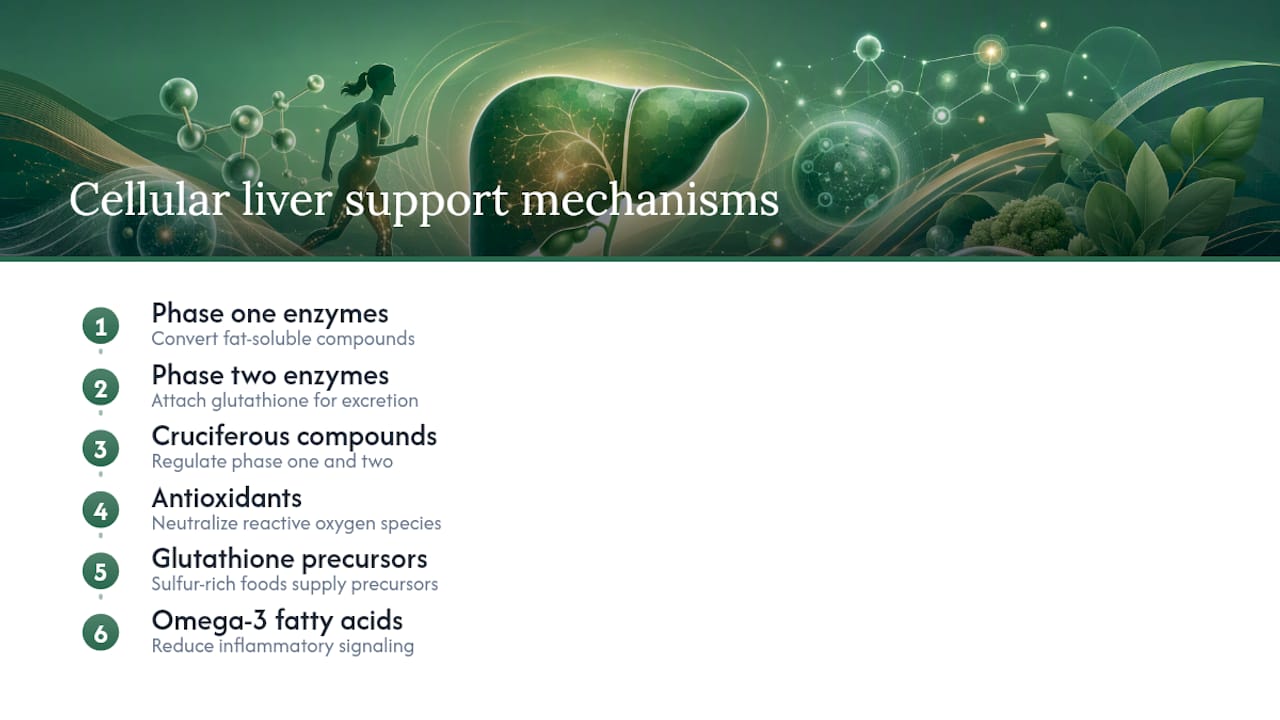
The liver processes toxins in two phases. Phase one enzymes, largely cytochrome P450 proteins, convert fat-soluble compounds into intermediate forms. Phase two enzymes then attach molecules like glutathione to those intermediates so the body can excrete them. Cruciferous vegetables contain sulforaphane and indole-3-carbinol, compounds that help regulate phase one and phase two enzyme activity, which is why they show up in liver-focused nutrition research so often.
Antioxidants work through a different but complementary path. Phase one detoxification generates reactive oxygen species as a byproduct, and unchecked, that oxidative load damages liver cells over time. Polyphenols from berries, catechins from green tea, and vitamin C from citrus neutralize some of that oxidative stress before it accumulates.
Glutathione deserves specific mention. It’s the liver’s primary internal antioxidant, and foods rich in sulfur-containing amino acids, garlic, onions, and cruciferous vegetables among them, supply the raw materials the liver uses to synthesize it. Omega-3 fatty acids from fish work through yet another route, reducing the inflammatory signaling associated with fat accumulation in liver tissue. Each mechanism plays a distinct, narrow role. None of them “flushes toxins” the way wellness marketing implies, but together they reduce the daily workload on an organ that never actually stops working.
Building Liver-Friendly Meals Into Your Week
Consistency beats intensity here. A single “detox smoothie” does less for liver health than a pattern of meals built around the same supportive ingredients, repeated for months.
Start breakfast with something that includes berries or citrus, whether that’s a bowl with blueberries or a glass of water with lemon before coffee. At lunch, aim for a base of leafy greens or cruciferous vegetables, olive oil as the primary fat, and a lean protein. Fatty fish twice a week covers a reasonable omega-3 target without requiring daily planning around it.
Dinner is the easiest place to work in garlic and onions, since most savory dishes already start with an aromatic base. Swap refined grains for oats or brown rice where you can, since the steadier blood sugar response takes some pressure off metabolic pathways the liver shares with the pancreas.
Batch-cooking cruciferous vegetables at the start of the week solves the biggest obstacle: they take longer to prep than most people want to deal with on a weeknight. Roast a tray of broccoli and Brussels sprouts on Sunday, and they’re a five-minute add to any lunch through Wednesday. Green tea can replace one afternoon coffee rather than adding another beverage to track. None of this requires a rigid meal plan. It requires picking two or three liver-supportive foods and making them the default, not the exception.
When Detox Foods and Medications Don’t Mix
Food and supplement interactions with liver-support ingredients are underdiscussed, and a few are worth knowing before you overhaul your diet.
Grapefruit is the most well-documented case. It inhibits an enzyme (CYP3A4) that metabolizes a wide range of medications, including some statins and blood pressure drugs, which can cause those medications to build up to higher-than-intended levels in the blood. If you take a prescription medication with a grapefruit warning on the label, that warning is not boilerplate caution.
Green tea’s catechins can interact with blood thinners like warfarin, and the vitamin K content in leafy greens is a well-known variable for anyone on anticoagulant therapy, not because the greens are dangerous, but because consistency in intake matters more than avoidance. Cruciferous vegetables, eaten in genuinely large quantities, can also affect thyroid hormone medication absorption in some people.
Anyone with existing liver disease, kidney disease, or diabetes should treat major dietary shifts the same way they’d treat a new supplement: worth mentioning to a healthcare provider, especially if paired with an NAD+ precursor that already carries its own monitoring recommendations. A company resource on evaluating supplement quality walks through how to weigh dosage and formulation questions before adding anything new to a regimen that includes prescription medication.
Lifestyle Habits That Multiply Your Liver’s Diet-Based Support
Diet and supplementation only go so far without the habits that determine how hard your liver has to work in the first place.
Hydration affects nearly every detoxification pathway indirectly. The liver relies on adequate fluid balance to process and excrete metabolic byproducts efficiently, and chronic mild dehydration adds friction to that system. Regular exercise, particularly a mix of cardio and resistance training, has a consistent relationship with reduced liver fat in metabolic research, independent of diet changes alone.
Alcohol is the most direct lever anyone has over liver health, and no food or supplement, organic NAD+ boosters included, offsets heavy or regular alcohol intake. The liver prioritizes alcohol metabolism above nearly every other function, which means the antioxidant and enzyme support from diet gets sidelined every time alcohol is present in meaningful amounts.
Sleep quality matters more than most people expect. The liver runs much of its regenerative activity during deep sleep cycles, and chronically poor sleep has been associated with worse metabolic liver markers in observational research. Stress management plays a smaller but real role too, since chronic cortisol elevation affects fat storage patterns, including in liver tissue. Layer these habits under a solid diet and a verified NAD+ precursor, and you’re addressing liver health from every angle the current research actually supports, rather than betting everything on one intervention.
Why We Built Quantum Vitality the Way We Did
We built Quantum Vitality around a simple frustration: most NAD+ products ask you to trust a label with no proof behind it. Customers rate it 4.9 out of 5.
The formulation pairs NAD+ precursors with cofactors chosen specifically to support methylation and mitochondrial function, not just to pad an ingredient list. We built it for active people who feel the gap between how they want to perform and how their energy and focus actually show up day to day. If you fit that description, and you’ve read this far because you wanted verification, not hype, that’s exactly who this product was built for.
— Organic
Ready to Try an Organic NAD+ Booster Backed by Real Testing
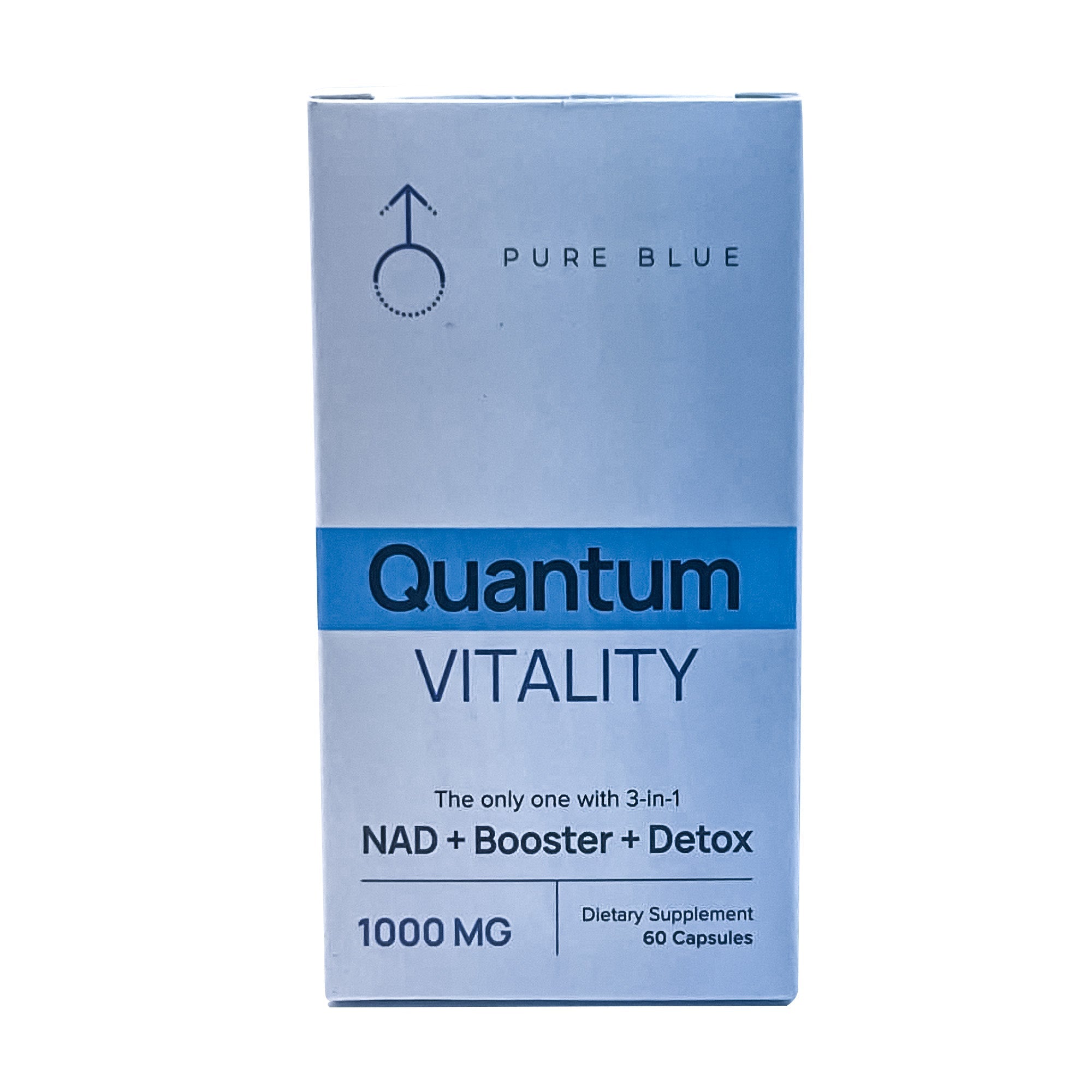
Everything in this guide points to the same buying checklist: verified precursor, accurate dose, third-party testing, no fillers. Quantum Vitality NAD+ Booster+ Detox is built to check every one of those boxes, with a 3-in-1 formula combining an NAD+ precursor, organic excipients, and cofactor support in one capsule.
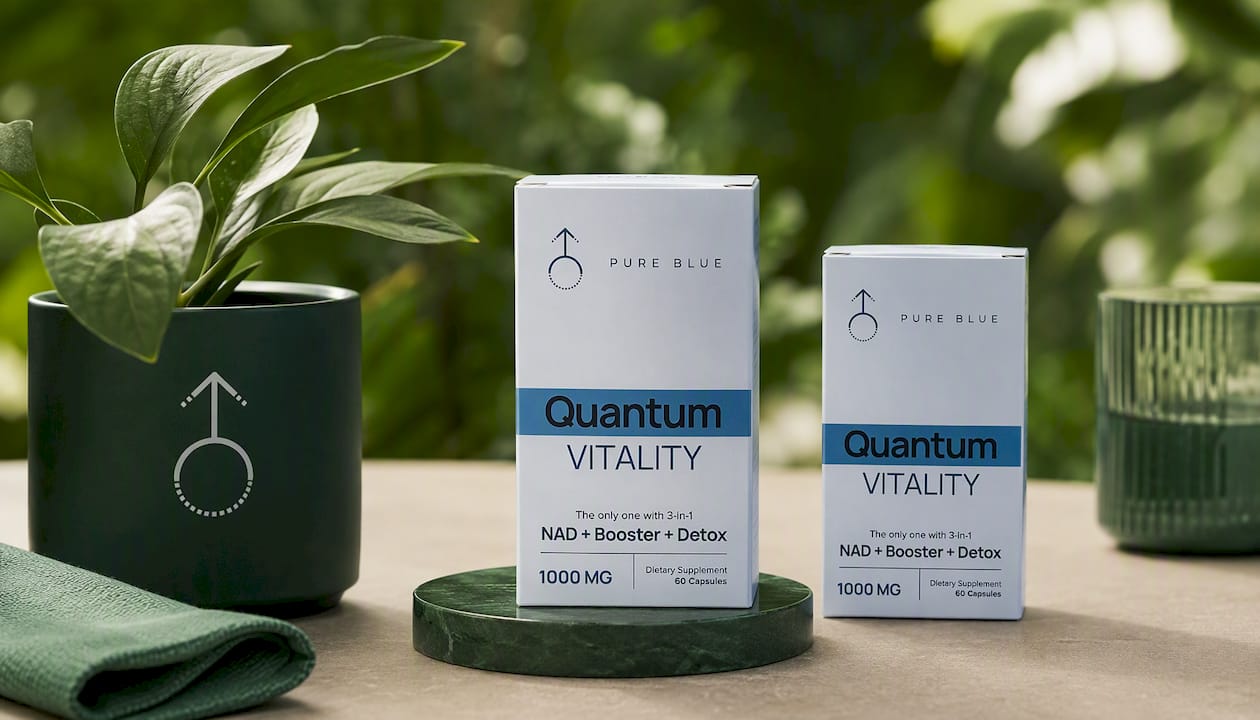
Every batch ships with lab testing behind it, and the product page lists where to find CoA documentation directly. If you’d rather test the waters before committing, the free trial option gives first-time buyers a lower-friction way to see how it fits into a daily routine before subscribing.
If you have liver disease, kidney disease, diabetes, or you’re pregnant or nursing, talk to your healthcare provider before starting any NAD+ precursor, Quantum Vitality included. For everyone else ready to move past guesswork, the product page has full label details, subscription options, and everything needed to place an order today.
This article is general information, not a substitute for advice from a qualified doctor. Consult a qualified healthcare professional about your own circumstances before acting on anything here.
Sources
- SLC25A51 and mitochondrial NAD+ determine liver regeneration (preview)
- Changes in glucose metabolism, C-reactive protein, and liver enzymes following intake of NAD + precursor supplementation: a systematic review and meta‐regression analysis