Cart
0

Most people asking about a heavy metal detox do not need one. Medical chelation therapy is the only proven treatment for documented heavy metal poisoning, and it is reserved for people with confirmed, clinically significant exposure to metals like lead, mercury, arsenic, or cadmium. If you have not been diagnosed with elevated levels through proper testing, chelation is not something you should pursue, at home or otherwise.
That said, plenty of safe, supportive habits can help your body handle low-level exposure more efficiently, even if they are not detox in the medical sense:
- Eating more fiber and cruciferous vegetables to support normal elimination
- Taking N-acetylcysteine (NAC) to support glutathione, your body’s own detox chemical
- Sweating through exercise or sauna sessions, with proper hydration
- Reducing ongoing exposure sources, like contaminated seafood or old plumbing
Skip the ionic foot baths, unregulated “heavy metal cleanse” kits, and OTC chelation products sold without a prescription. And never interpret a provoked urine test on your own; without a clinician who understands provoked reference ranges, those results can make a healthy person look poisoned.
Key Takeaways
Medical chelation with DMSA, DMPS, or EDTA remains the only proven method for reversing documented heavy metal poisoning, while diet, NAC, and sauna use offer safe, limited support for everyone else.
| Point | Details |
|---|---|
| Chelation is condition-specific | FDA-approved chelating agents treat confirmed poisoning from lead, mercury, arsenic, and a few other metals, not general wellness. |
| Provoked urine tests need context | Results must be compared to provoked-specific reference ranges or they can wrongly suggest poisoning in healthy people. |
| Supportive strategies help gradually | Fiber, NAC, and sauna sweating support excretion but cannot replace chelation for real accumulation. |
| Monitoring prevents harm | Chelation protocols require tracking kidney function and essential minerals like zinc and copper throughout treatment. |
| Pure Blue supports the supportive side | Quantum Vitality and other Pure Blue supplements offer organic, third-party tested ingredients for NAD+ and antioxidant support, positioned as adjuncts, not chelation substitutes. |
Table of Contents
- How Doctors Test for Heavy Metal Toxicity
- Medical Chelation: The Only Proven Treatment
- Diet, Supplements, and Sweat: What Actually Helps
- The Real Risks of Unsupervised Detox Attempts
- Getting Started: Steps to Take If You Suspect Exposure
- Why the Detox Industry Gets This Backward
- Sources
How Doctors Test for Heavy Metal Toxicity
Testing is where a lot of well-meaning detox advice goes wrong, so it is worth understanding what each test actually measures before you request one.
Blood testing reflects recent exposure, typically within the past few days to weeks. It is the standard first step for suspected acute lead or mercury exposure and is fast to interpret against established reference ranges.
Unprovoked urine testing measures what your body is naturally excreting without any pharmaceutical push. This gives a more accurate picture of ongoing, real-world excretion and is generally considered more reliable for assessing actual body burden from certain metals like cadmium and arsenic.
Provoked (challenge) urine testing is where interpretation gets genuinely controversial. A chelating agent is administered before urine collection, which mobilizes metals from tissue storage and artificially inflates the numbers in urine. The problem is that provoked results require provoked-specific reference ranges. Compare a provoked sample against an unprovoked reference range, and almost anyone will appear to have elevated metals, which is a well-documented driver of overdiagnosis in less rigorous practice settings.
Hair and RBC (red blood cell) testing each have narrower uses. Hair testing can reflect longer-term exposure trends for certain metals like mercury but is vulnerable to external contamination (shampoos, hair treatments) that skews results. RBC testing is sometimes used for elements like lead, offering a longer window than a single blood draw.
| Test type | What it measures | Best used for | Key limitation |
|---|---|---|---|
| Blood | Recent exposure | Acute lead/mercury exposure | Misses older, tissue-stored burden |
| Unprovoked urine | Natural excretion | Ongoing exposure assessment | Less sensitive for deeply stored metals |
| Provoked urine | Mobilized metals after a chelating dose | Specialist-guided burden assessment | Requires provoked reference ranges; easily misread |
| Hair | Long-term trend for some metals | Mercury exposure patterns | External contamination risk |
Pro Tip: Never let a lab result stand alone. Ask whoever orders your test which reference range applies, provoked or unprovoked, and insist that a qualified clinician, not a supplement retailer, interprets the number for you.
Medical Chelation: The Only Proven Treatment
Chelation therapy binds metal ions so the body can excrete them, and it works. That is not marketing language, it is FDA-recognized medicine for a narrow, well-defined set of conditions: confirmed poisoning from arsenic, lead, mercury, gold, copper, or iron. The FDA has not approved chelation for heart disease, autism, or general “detoxification,” and using it for those purposes is both ineffective and genuinely risky.
Three agents dominate clinical practice, each suited to different metals:
- DMSA (succimer): an oral agent primarily used for lead and mercury poisoning, including in children
- DMPS: used mainly for mercury and arsenic, sometimes given orally or intravenously depending on severity
- Calcium disodium EDTA (CaNa2EDTA): the go-to for lead and cadmium poisoning, typically delivered intravenously in more severe cases
Route matters. Oral agents like DMSA work well for moderate exposures and allow for outpatient management. IV administration, more common with EDTA in severe lead poisoning, delivers a faster and more controlled dose but requires closer clinical supervision, usually in an infusion setting.
Monitoring is not optional. Because chelation is nonselective, meaning it grabs beneficial minerals along with the target metal, clinical protocols build in regular checks of kidney function, electrolytes, and essential mineral levels like zinc and copper throughout treatment. Some protocols time mineral supplementation carefully around chelation doses specifically to avoid interfering with the chelating agent’s effectiveness while still preventing depletion.
The evidence for combination approaches is worth knowing about if you or a family member ever face significant lead poisoning. Research on sequencing EDTA followed by DMSA suggests combination protocols can reduce organ and bone lead levels more effectively than a single agent alone, while also lowering the risk of redistributing mobilized metal into more sensitive tissue. This is exactly the kind of decision that belongs to a toxicologist or experienced treating physician, not a self-directed protocol.
Where the evidence gets thin is outside documented poisoning. Despite persistent claims in some wellness circles, multiple authoritative reviews confirm there is no credible evidence supporting chelation for autism, cardiovascular disease prevention, or general wellness, and using it this way exposes patients to real harm for no established benefit.
Diet, Supplements, and Sweat: What Actually Helps
If you are not dealing with confirmed poisoning, the honest answer is that your body already runs a detox system, your liver and kidneys, every single day. The goal of supportive strategies is to help that system along, not replace it.
- Increase fiber intake. Fiber binds certain compounds in the gut and supports regular elimination. Foods like oats, flaxseed, and legumes are reasonable daily additions.
- Add cruciferous vegetables. Broccoli, cauliflower, and Brussels sprouts contain compounds that support your liver’s natural detoxification pathways.
- Consider modified citrus pectin and selenium-rich foods. Dietary research shows modest adjunctive effects against cadmium and lead absorption, though these approaches cannot remove metals already stored deep in tissue.
- Talk to your doctor about NAC. N-acetylcysteine is a glutathione precursor and may be used at doses recommended by clinicians, and glutathione itself functions as one of the body’s central natural chelators. NAC can interact with certain medications, so clinician input matters here, especially if you take nitroglycerin or other nitrate-based drugs.
- Use sauna sessions thoughtfully. Sweating has shown some capacity to help excrete metals like cadmium, lead, and zinc, but only with attention to hydration and kidney health, since sweating too aggressively without replacing fluids stresses the same organs you are trying to protect.
Where should your skepticism kick in? Ionic foot baths, zeolite detox supplements marketed as heavy metal binders, and any home provocation testing done without a clinician overseeing interpretation. None of these have solid evidence behind their marketed claims, and zeolite in particular is often sold with exaggerated binding claims that outpace the actual research on its systemic effects in humans.
Glutathione support itself has expanded beyond oral precursors into clinical delivery methods; some wellness clinics now offer IV glutathione treatments as a more direct route to raising levels, though this remains a supportive measure rather than a chelation substitute.

Pro Tip: If sauna use is new to you, start with 10 to 15 minutes and build up gradually. Bring water, skip it if you’re dehydrated or have kidney disease, and never treat a sauna session as a substitute for a diagnostic workup if you suspect real exposure.
The Real Risks of Unsupervised Detox Attempts
Chelation without proper oversight is not a gentler version of the medical treatment, it is a different risk profile entirely, and a more dangerous one. Because chelating agents bind minerals indiscriminately, unsupervised use can strip your body of zinc and copper faster than you can replace them, and that depletion carries its own set of health consequences.
The known harms include:
- Mineral depletion, especially zinc and copper, leading to secondary deficiency symptoms
- Kidney injury, since the kidneys handle the burden of filtering both the chelating agent and the mobilized metal complexes
- Metal redistribution, where poorly managed chelation moves metal from one tissue to another, sometimes into more sensitive areas like the brain
- Allergic reactions, ranging from mild rash to more serious systemic responses
- Rare but severe outcomes, including hypocalcemia with EDTA if administered incorrectly
Proper medical chelation includes monitoring panels for kidney function, electrolytes, and essential mineral levels, checked at intervals your physician determines based on the specific agent and dose. This is not a formality. It is how doctors catch mineral depletion or kidney strain before it becomes dangerous.
Seek immediate medical attention if you experience severe abdominal pain, unusual bruising or bleeding, significant swelling, decreased urination, or any new neurological symptoms like confusion or seizures during or after any detox protocol, supervised or not.
Getting Started: Steps to Take If You Suspect Exposure
Do not start with a supplement. Start with removing the source.
- Stop the exposure. If you suspect contaminated well water, old paint dust, or occupational exposure, address that first. Testing and treatment mean little if exposure continues daily.
- Document your history. Note your occupation, hobbies (some pottery glazes and stained glass work involve lead), diet (large predatory fish for mercury), water source, and home age.
- Request appropriate testing. Ask your physician for blood testing if exposure is recent, or discuss unprovoked urine testing for ongoing assessment. Avoid ordering provoked panels through a retailer without physician oversight.
- Consult toxicology or occupational medicine. If your primary care physician is not confident interpreting metal panels, ask for a referral to a medical toxicologist or occupational medicine specialist.
- Discuss a monitoring and treatment plan. If chelation is indicated, ask specifically which agent fits your case, what monitoring schedule they will use, and how they plan to manage mineral supplementation timing.
Timelines vary widely depending on the metal and severity. Mild lead exposure might involve months of monitoring with dietary and lifestyle changes, while confirmed poisoning requiring chelation can involve weeks of active treatment followed by ongoing follow-up testing. Insurance coverage for testing and chelation varies significantly by plan and by whether the case is classified as occupational exposure, so ask your provider’s office to check coverage before scheduling anything elective.
Pro Tip: Bring a written list of questions to your appointment: which test type, which chelator (if indicated), how often you’ll be monitored, and whether any supplements you’re taking should be paused before or during treatment.
Where Pure Blue Fits Into Supportive Wellness
Pure Blue formulates its supplements, including the Quantum Vitality NAD+ Booster+ Detox line, with organic ingredients and no artificial fillers, and every batch goes through third-party testing for purity and potency. Manufacturing takes place in an FDA-registered facility, which governs manufacturing quality standards, not a claim of FDA approval for any specific detox or medical outcome.
Certain formula attributes are relevant to general wellness support rather than metal removal itself. NAD+ boosting ingredients support cellular energy metabolism, and antioxidant compounds can support the body’s own glutathione-related processes, the same pathway NAC targets. That is a meaningfully different claim than saying a supplement chelates metals from tissue.
Supplements support general wellness and cellular energy pathways. They are not a substitute for medically indicated chelation therapy in a documented case of heavy metal poisoning.
A few things worth being direct about:
- Organic, filler-free formulation is a quality standard, not a clinical claim
- Third-party testing verifies what’s in the bottle, not therapeutic equivalence to chelation
- FDA-registered facility manufacturing means quality oversight of the manufacturing process
- Anyone with suspected heavy metal poisoning should see a physician before adding any supplement to their routine
Why the Detox Industry Gets This Backward
The wellness industry sells heavy metal detox as something everyone needs periodically, like an oil change. That framing is backward. The people who actually need chelation are a small, specific population with confirmed exposure and measurable poisoning, verified through proper testing interpreted by someone who understands the difference between provoked and unprovoked reference ranges.
What gets lost in the marketing is that your liver and kidneys already run continuous detoxification, and for the vast majority of healthy people, supporting that system with fiber, cruciferous vegetables, adequate hydration, and reduced ongoing exposure accomplishes more than any foot bath or unregulated binder ever will. The conventional wellness pitch treats “detox” as a single dramatic event. Real toxicology treats it as either a medical emergency requiring chelation, or a long game of reducing exposure and supporting normal physiology.
If you take one thing from this, let it be sequencing: rule out real exposure first, get tested by someone qualified, then layer in supportive habits. Skipping straight to supplements or cleanses without that foundation is how people waste money chasing symptoms that have nothing to do with metals at all.
— Organic
A Responsible Next Step for Ongoing Wellness Support
If you have ruled out significant exposure and your doctor has confirmed chelation is not indicated for you, the next reasonable step is supporting your body’s own detox pathways rather than chasing an aggressive protocol you don’t need.
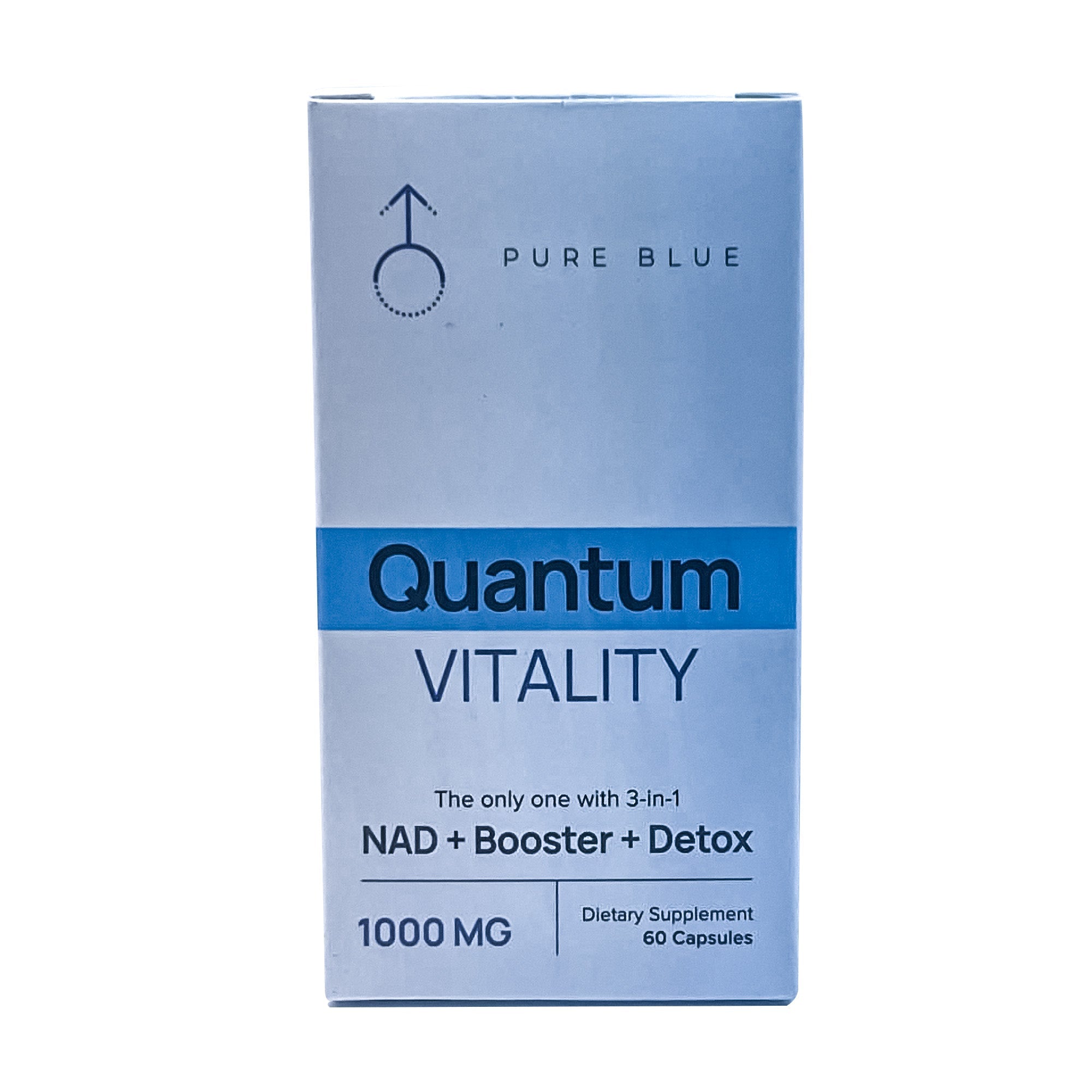
Pure Blue’s Quantum Vitality NAD+ Booster+ Detox combines organic, third-party tested ingredients aimed at supporting NAD+ levels and cellular energy, the kind of general metabolic and antioxidant support that complements a fiber-rich diet and regular sweating, without making any claim to replace medical chelation. The full Pure Blue line, including Blue Bear Male Gummies for men’s vitality support, is manufactured in an FDA-registered facility and formulated without artificial fillers. If you want to try the flagship formula risk-free, there’s a free Quantum Vitality offer available, or bundle savings through the Power Bundle.
One caveat that matters more than any product feature: if you are currently undergoing chelation or suspect active heavy metal poisoning, talk to your treating physician before adding any new supplement, since timing around mineral supplementation is part of a safe chelation plan. Check the Quantum Vitality product page for full ingredient details before you order.
Sources
Heavy metal symptoms are frustratingly nonspecific, which is exactly why self-diagnosis is such a trap. Fatigue, brain fog, and joint pain show up in dozens of conditions that have nothing to do with lead or mercury. That is why testing, not symptom checklists, has to be the deciding factor before anyone considers a heavy metal cleanse.
Different metals tend to hit different organ systems, though there is real overlap:
- FDA: Questions and answers on unapproved chelation products
- Cleveland Clinic — Chelation therapy
- Review of chelation approvals and clinical context (PMC)
Exposure sources are more varied than most people assume. Lead still turns up in homes built before 1978 through old paint dust, in some imported ceramics, and in contaminated soil near old industrial sites. Mercury exposure mostly comes from large predatory fish like swordfish and king mackerel, plus dental amalgam fillings and certain occupational settings like small-scale gold mining. Arsenic can leach into well water in specific regions and shows up in some rice-based products. Cadmium exposure is tied to cigarette smoke, certain batteries, and some cookware coatings.
A key clinical distinction: dietary strategies can offer modest, adjunctive protection against cadmium and lead absorption in the gut, but they cannot reverse a body burden that has already accumulated in bone or organ tissue. That is the job of testing and, if warranted, chelation.
Occupational exposure deserves a specific mention here. Battery manufacturing, smelting, radiator repair, and certain construction and demolition jobs carry measurable heavy metal risk, and workers in these fields should have a lower threshold for requesting blood testing, even without dramatic symptoms.