Cart
0
Rhodiola rosea and ashwagandha have the strongest human-trial support of any adaptogen for energy and stress-related fatigue, with cordyceps close behind for athletic endurance. That’s the short answer. The longer answer matters more: none of these herbs act like caffeine. A 2009 Phase III trial found rhodiola’s SHR-5 extract, dosed at 576 mg/day, improved attention and burnout scores in stressed adults over 28 days, not 28 minutes. Ashwagandha follows a similar pattern.
If you’re expecting a jolt like a strong coffee, you’ll be disappointed and may assume the herb “doesn’t work.” Adaptogens build their effect over days to weeks by nudging how your body handles chronic stress, not by flooding your nervous system with a stimulant.
Here’s what the evidence actually supports right now:
- Rhodiola rosea for stress-related fatigue and endurance, typically studied at 400-680 mg/day.
- Ashwagandha for vigor, mental fatigue, and executive function, with a well-studied dose of 600 mg/day.
- Cordyceps for athletic endurance markers like VO2 max and time to exhaustion.
- Panax ginseng, eleuthero, and bacopa as secondary options depending on whether you want alertness, immune support, or cognitive clarity.
Before you start: if you’re pregnant, breastfeeding, or taking anticoagulants or antidepressants, talk to a clinician first. Several adaptogens interact with common medications in ways that are easy to miss and not worth guessing about. Later in this guide, you’ll see how Pureblue’s organic formulations line up with this evidence, but the goal here is to give you the science first so you can make an informed call before you buy anything.
Key Takeaways
Rhodiola rosea and ashwagandha have the strongest clinical backing for energy and fatigue, but both require weeks of consistent use at studied doses to show measurable benefit.
| Point | Details |
|---|---|
| Rhodiola for stress fatigue | The SHR-5 extract at 576 mg/day for 28 days improved attention and burnout scores in trials. |
| Ashwagandha for vigor | A 600 mg/day dose for 8 weeks reduced mental fatigue and improved executive function in a 2024 trial. |
| Timeline differs from stimulants | Effects build over days to weeks, unlike caffeine’s near-immediate action. |
| Rule out deficiency first | Check B12, ferritin, and TSH before assuming fatigue is stress-related. |
| Check interactions before starting | Adaptogens can affect antidepressants and anticoagulants through CYP and MAO-related pathways. |
| Choose tested, organic formulations | Pureblue’s third-party tested, organic products like Quantum Vitality™ and Blue Bear Male Gummies align with the mitochondrial and vigor-focused evidence covered here. |
Table of Contents
- How Adaptogens Affect Energy at the Cellular Level
- Top Adaptogens for Energy, Ranked by Evidence Strength
- What the Clinical Trials Actually Measured
- Safety, Side Effects, and Drug Interactions to Know First
- Building a Simple Starter Protocol
- How Pure Blue’s Formulations Fit This Evidence
- Why the “More Herbs, More Energy” Approach Gets This Backwards
- Start With One Adaptogen, Backed by What’s Actually in It
- Sources
How Adaptogens Affect Energy at the Cellular Level
Adaptogens don’t create energy. They change how efficiently your body manages the stress response that’s draining it in the first place. That distinction explains almost everything about why these herbs help some people dramatically and do nothing for others.
The central mechanism runs through the hypothalamic-pituitary-adrenal axis, the HPA axis, which governs how your body releases cortisol in response to stress. Under chronic stress, this system gets dysregulated. Cortisol spikes at the wrong times, stays elevated too long, or blunts out entirely, and fatigue is often a downstream symptom of that dysfunction rather than a standalone problem. A review of adaptogens’ central nervous system effects found that compounds like rhodiola and ashwagandha tend to push cortisol responses toward a more stable baseline across a range of study populations, rather than simply suppressing or boosting cortisol outright.
That’s a fundamentally different action than what stimulants do.
Adaptogens work by helping the body’s stress-response systems return toward equilibrium over repeated exposure, not by producing an immediate pharmacological jolt the way caffeine or amphetamine-based stimulants do. The distinction between “normalizing a dysregulated system” and “forcing an acute change” is what separates this category from typical energy products.
There’s a second mechanism worth understanding: mitochondrial and antioxidant support. Your mitochondria are what actually convert nutrients into usable cellular energy, and oxidative stress from intense training, poor sleep, or chronic illness can degrade how well they function. A 2025 systematic review and meta-analysis found rhodiola supplementation improved endurance outcomes, including VO2 max and time to exhaustion, along with several antioxidant markers, with higher doses above 600 mg/day linked to stronger VO2 max gains.
Here’s where a stimulant and an adaptogen genuinely diverge:
- Onset: Caffeine works in 20 to 45 minutes. Adaptogens typically need consistent use for days to several weeks before effects show up.
- Mechanism: Stimulants block adenosine receptors or trigger adrenaline release. Adaptogens modulate cortisol rhythm and support cellular energy production.
- Crash risk: Stimulants often produce a rebound dip. Adaptogens generally don’t, because they’re not forcing an acute spike to begin with.
- Tolerance: Daily caffeine use builds tolerance fast. Adaptogen effects tend to be more stable over weeks of use, though individual response still varies.
One limitation deserves honesty here: adaptogens work best for stress-related and inflammation-related fatigue. If your exhaustion comes from an iron deficiency, an underactive thyroid, sleep apnea, or a B12 deficiency, no adaptogen is going to fix that. It’s treating the wrong root cause, which is why the practical section later in this guide starts with ruling that out before anything else.
Top Adaptogens for Energy, Ranked by Evidence Strength
Not every adaptogen on the market has equal backing. Some have randomized controlled trials behind them. Others rely mostly on tradition and animal studies. Here’s how the major players actually stack up, with the doses researchers used and who each one tends to suit best.
1. Rhodiola Rosea
Rhodiola has the clearest evidence base of any adaptogen for stress-related fatigue. The pivotal trial here is the Olsson et al. Phase III study from 2009, which tested the SHR-5 extract at 576 mg/day for 28 days in stressed adults and found meaningful improvements in attention performance and burnout scores. More recently, a 2025 meta-analysis pooled endurance-focused trials and found rhodiola improved VO2 max and time to exhaustion, with higher doses correlating with bigger endurance gains.
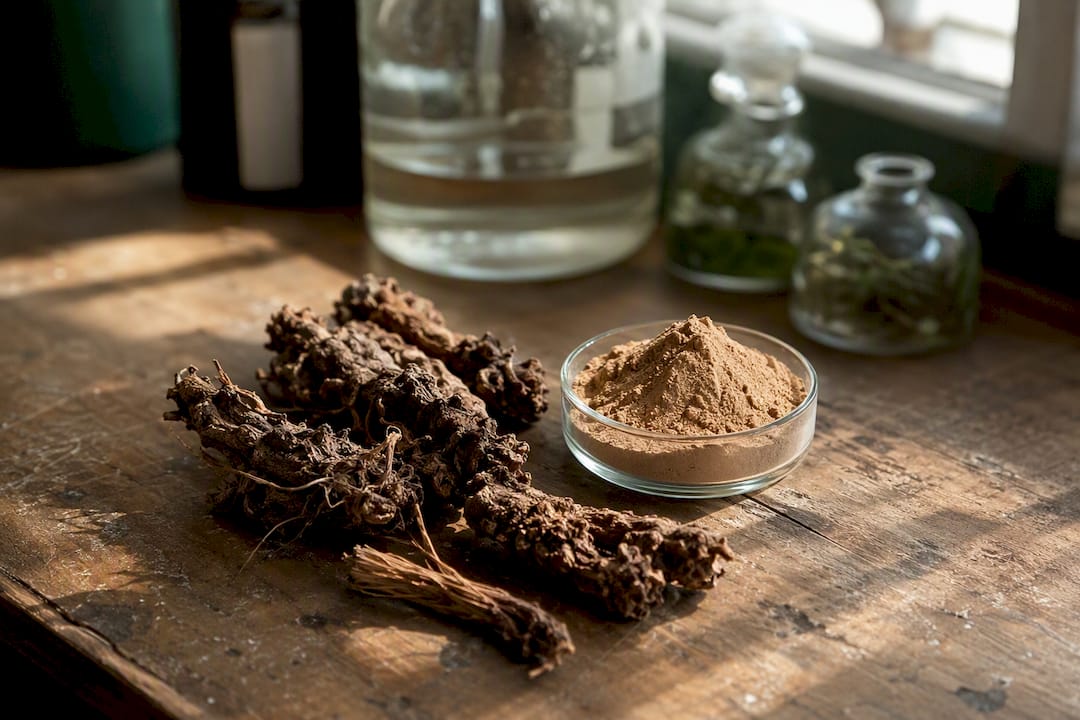
Best for: People whose fatigue is tangled up with chronic stress or burnout, and athletes chasing endurance gains. Study dose: 400 to 680 mg/day of standardized extract, most commonly the SHR-5 formulation, for 4 to 12 weeks. Watch for: Rhodiola can be activating. Taken late in the day, it sometimes interferes with sleep in sensitive people, and very high doses can push some users into overstimulation rather than the intended calm-alert state. Starting point: 200 to 300 mg in the morning, working up toward the studied range if tolerated.
2. Ashwagandha
Ashwagandha is the adaptogen with arguably the best recent clinical support for mental fatigue specifically. A 2024 randomized, placebo-controlled trial gave healthy adults aged 30 to 75 a 600 mg/day dose of root extract for 8 weeks and found significant improvements in vigor, reduced mental fatigue, and better executive function compared to placebo.
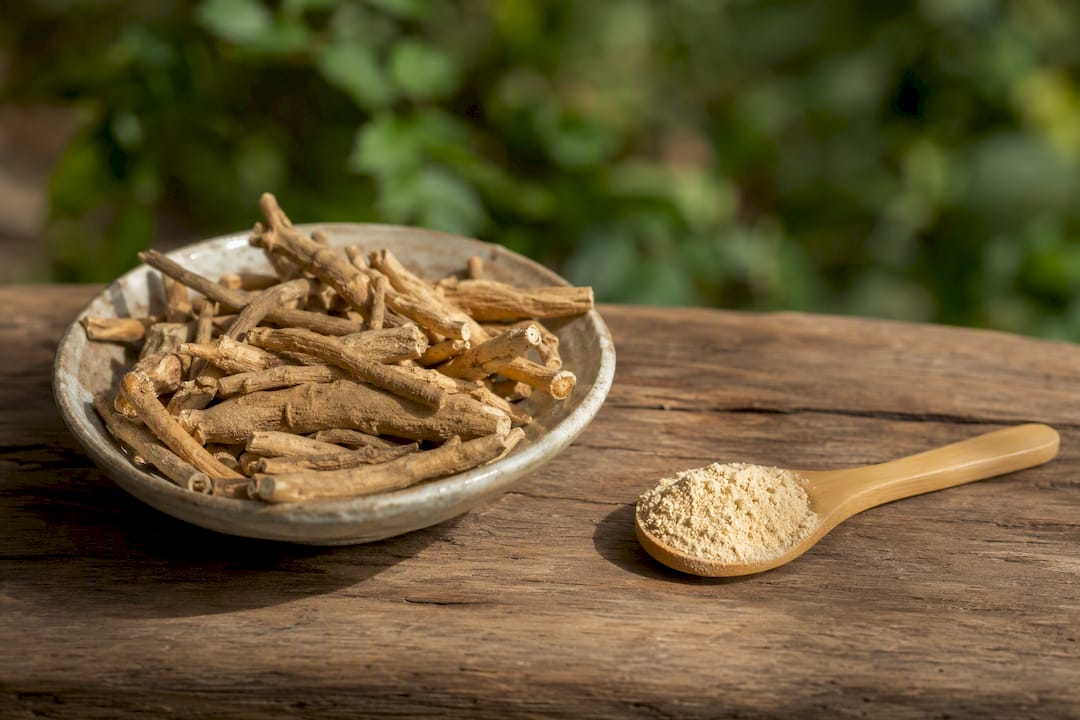
Best for: Mental fatigue, low vigor, and stress-driven brain fog rather than physical stamina. Study dose: 600 mg/day of root extract, taken consistently for at least 8 weeks. Watch for: NIH’s Office of Dietary Supplements notes ashwagandha is generally well tolerated short term, but long-term safety data is limited, and certain populations, including anyone pregnant, on thyroid medication, or managing an autoimmune condition, should check with a clinician first. Starting point: 300 mg once daily for the first week, moving to 600 mg if there are no adverse effects.
Pro Tip: Ashwagandha extracts aren’t interchangeable. KSM-66 and Sensoril are the two most studied trademarked extracts, and they’re processed differently, so a product labeled simply “ashwagandha root powder” with no standardization may not deliver the same effect as the extract used in the trial you read about.
3. Cordyceps
Cordyceps has the most specific evidence for athletic performance rather than general daily fatigue. Trials in this space typically measure VO2 max, time to exhaustion, and lactate threshold in trained or recreational athletes, with study doses commonly ranging from 1 to 3 grams per day of cordyceps mycelium extract over several weeks of supplementation.
Best for: Endurance athletes and anyone whose “fatigue” shows up specifically during physical exertion rather than mental tasks. Study dose: Typically 1,000 to 3,000 mg/day, taken for 3 to 6 weeks before an expected performance benefit. Watch for: Cordyceps is generally considered mild in terms of side effects, but sourcing matters. Wild cordyceps is expensive and rare; most commercial products use cultivated mycelium, which is safer and more consistent but not identical to the wild fungus referenced in older traditional literature.
4. Panax Ginseng and American Ginseng
Ginseng has centuries of traditional use behind it, but the clinical picture is genuinely mixed. Some trials show modest improvements in fatigue and cognitive performance; others show no meaningful difference from placebo. Part of the problem is standardization: ginsenoside content, the active compound class, varies widely between products depending on species, root age, and extraction method.
Best for: People wanting a milder, more traditional option, or those who’ve tried rhodiola and found it too activating. Study dose: Commonly 200 to 400 mg/day of standardized extract for Panax ginseng; American ginseng trials often use similar ranges. Watch for: Ginseng can interact with blood thinners and diabetes medications, and it’s generally not recommended alongside stimulant-heavy pre-workout products because of overlapping activating effects.
5. Eleuthero (Siberian Ginseng)
Despite the name, eleuthero isn’t true ginseng, and it tends to be gentler. Traditional and clinical use centers on fatigue relief and immune support, making it a reasonable alternative for people who find Panax ginseng too stimulating.
Best for: General fatigue and immune resilience during periods of high physical or mental stress. Study dose: Trials commonly use 300 to 1,200 mg/day of standardized root extract. Watch for: Fewer large modern trials exist compared to rhodiola or ashwagandha, so treat this as a reasonable secondary option rather than a first-line choice.
6. Bacopa Monnieri
Bacopa belongs in this list for a different reason than the others: it targets cognitive energy, not physical stamina. Users typically report clearer thinking and better memory retention rather than more physical drive, and unlike rhodiola, it takes longer to show up. Most trials measure effects at 8 to 12 weeks rather than 4.
Best for: Mental clarity and cognitive fatigue, especially for people whose “low energy” is really a concentration problem. Study dose: 300 mg/day of standardized extract, generally with meals to reduce mild stomach upset. Watch for: Patience is required here. If you stop before 8 weeks because you don’t feel anything, you likely stopped before the effect window even opened.
What the Clinical Trials Actually Measured
Reading a supplement label is one thing. Understanding what the underlying trial actually tested is another, and that gap is where a lot of marketing overpromises.
Take the 2009 rhodiola trial again. Researchers used the SHR-5 extract specifically, at 576 mg/day, over 28 days, in adults already dealing with stress-related fatigue. That’s a narrow, well-defined population and a specific extract. A rhodiola product using a different extraction process, at a different dose, hasn’t been tested in that trial and can’t claim the same result, even if the label says “rhodiola rosea.”
The 2024 ashwagandha trial followed a similar logic: 600 mg/day of root extract, 8 weeks, healthy adults aged 30 to 75, measured against a placebo group for vigor, mental fatigue, and executive function. Eight weeks isn’t a typo or an arbitrary cutoff. It reflects how long it actually took for effects to become statistically meaningful in that study population.
This is why extract standardization matters more than most buyers realize:
- SHR-5 is the specific rhodiola extract used in most of the strongest human trials, standardized to a defined ratio of rosavins and salidroside.
- KSM-66 is a full-spectrum ashwagandha root extract widely used in vigor and stress trials.
- Sensoril is a different ashwagandha extract, higher in withanolide concentration, sometimes used in trials targeting anxiety and sleep rather than daytime vigor.
A product that lists “ashwagandha extract” without naming which standardized form it uses is asking you to trust a dose and processing method nobody has actually tested in a published trial.
| Herb (Extract) | Trial Dose | Duration | Primary Outcome |
|---|---|---|---|
| Rhodiola rosea (SHR-5) | extract at a studied dose | approximately one month | Improved attention, reduced burnout scores |
| Rhodiola rosea (various) | doses used in studies | Multiple weeks (meta-analysis) | Improved VO2 max and time to exhaustion |
| Ashwagandha (root extract) | studied dose amount | several weeks | Improved vigor, reduced mental fatigue |
If you’re trying an adaptogen yourself, treat it like a mini version of these trials. Pick one herb, commit to a defined dose for 4 to 8 weeks, and track a small set of specific markers: perceived vigor, a simple fatigue rating on a 1 to 10 scale, sleep quality, and any side effects. Guessing for two weeks and quitting tells you very little; matching the trial timeline tells you a lot more.
Safety, Side Effects, and Drug Interactions to Know First
Adaptogens have a good overall safety profile in the trials that exist, but “generally well tolerated” isn’t the same as “risk-free for everyone.” A few groups need to be more careful, and a few interactions are worth knowing before you add anything to your routine.
Common side effects tend to be mild and dose-related: digestive upset, headache, and, particularly with more activating herbs like rhodiola or ginseng, difficulty sleeping if taken later in the day. Higher doses increase the odds of overstimulation, jitteriness, or irritability in sensitive individuals, which mirrors the biphasic pattern seen in clinical and practitioner literature on rhodiola, where modest doses tend to help while excessive doses can backfire into activation or disrupted sleep.
The interactions matter more than the side effects, honestly:
- Some adaptogens have mild MAO-inhibiting properties, which can theoretically interact with certain antidepressants and raise the risk of serotonin-related side effects.
- Several herbs, including ginseng and ashwagandha, are metabolized through CYP enzyme pathways in the liver, the same pathways many prescription antidepressants and anticoagulants use, which can alter how those medications are processed.
- Ginseng in particular has documented interactions with blood-thinning medications, potentially affecting clotting time.
- NIH’s Office of Dietary Supplements specifically flags that ashwagandha’s long-term safety hasn’t been established and recommends caution for certain groups.
Who should sit this one out or talk to a doctor first:
- Anyone pregnant or breastfeeding.
- Children and adolescents, since almost none of the trials studied this age group.
- People with autoimmune conditions, since some adaptogens can stimulate immune activity.
- Anyone currently on antidepressants, anticoagulants, thyroid medication, or diabetes medication.
- People with a diagnosed anxiety disorder, since activating adaptogens like rhodiola can occasionally worsen anxious symptoms in sensitive individuals.
Pro Tip: Start any new adaptogen at half the studied dose for the first week, and take it earlier in the day rather than at night, even for herbs marketed as “calming.” This gives you a clean read on whether it’s affecting your sleep before you commit to the full dose.
If you notice new sleep disruption, jitteriness, digestive distress, or any change in how a current medication feels, that’s your signal to pause and check with a clinician rather than push through it.
Building a Simple Starter Protocol
Most people jump straight to buying a supplement without checking whether their fatigue actually has a fixable root cause. That’s backwards, and it’s the single biggest reason adaptogens get blamed for “not working” when the real problem was never addressed.
- Rule out deficiency-driven fatigue first. Ask your doctor about basic bloodwork: B12, ferritin (iron stores), and TSH (thyroid function). Adaptogens address stress-related and inflammation-related fatigue, not fatigue caused by anemia or hypothyroidism, and no herb fixes a lab-confirmed deficiency.
- Pick one adaptogen, not five. Stacking multiple untested herbs at once makes it impossible to know what’s actually helping, and it multiplies your interaction risk unnecessarily.
- Start low, then move to the studied dose. Begin at roughly half the trial dose for a week, then move up to the full studied amount (576 mg/day for rhodiola SHR-5, 600 mg/day for ashwagandha) if you’re tolerating it well.
- Commit to 4 to 8 weeks before judging results. This matches the actual duration used in the trials that showed benefit. Quitting after ten days isn’t a fair test.
- Track a few specific markers. Rate perceived vigor and fatigue on a simple 1 to 10 scale weekly, note sleep quality, and log any side effects.
Timing matters more than people expect. Activating adaptogens like rhodiola and Panax ginseng work best taken in the morning, both because that mirrors the trial protocols and because taking them late can interfere with sleep. Bacopa and ashwagandha are more flexible and can often be taken with a meal at whatever time suits your routine, though very high ashwagandha doses in the evening may feel sedating for some people.
If you drink caffeine, there’s no need to eliminate it, but be aware that stacking a strong stimulant with an activating adaptogen can amplify jitteriness rather than energy. Consider spacing them a few hours apart rather than taking both at once.
Adaptogens work best layered on top of the fundamentals, not as a replacement for them. Harvard Health’s overview frames adaptogens as an adjunct within a broader plan that includes sleep, diet, and exercise, not a standalone fix, and that framing holds true across nearly every herb in this guide. If your sleep is consistently under six hours or your diet is heavy in processed food, fix those first. An adaptogen layered on top of a broken foundation will underperform no matter how well-dosed it is. For athletes specifically, pairing adaptogen use with structured energy management strategies around training and recovery tends to produce more noticeable results than the herb alone.
Pro Tip: Keep a simple note on your phone with the herb, dose, and start date. Four weeks from now, you won’t remember exactly when you started or what dose you began at, and that detail is what tells you whether you actually gave it a fair trial.
How Pure Blue’s Formulations Fit This Evidence
Everything above points to a simple conclusion: quality and standardization determine whether an adaptogen supplement can plausibly deliver what the trials showed. Pureblue builds its formulations around that principle rather than around vague wellness claims.
That matters directly here, because unstandardized or contaminated extracts are exactly what makes it impossible to know whether you’re getting anything close to a studied dose.
Quantum Vitality™, Pureblue’s 3-in-1 NAD+ booster and detox formula, targets the mitochondrial and cellular energy pathways discussed earlier in this guide, the same systems that antioxidant-supporting adaptogens like rhodiola are shown to influence in endurance research. Blue Bear Male Gummies are formulated around vitality and energy support for men, aligning with the vigor-focused outcomes seen in ashwagandha trials.
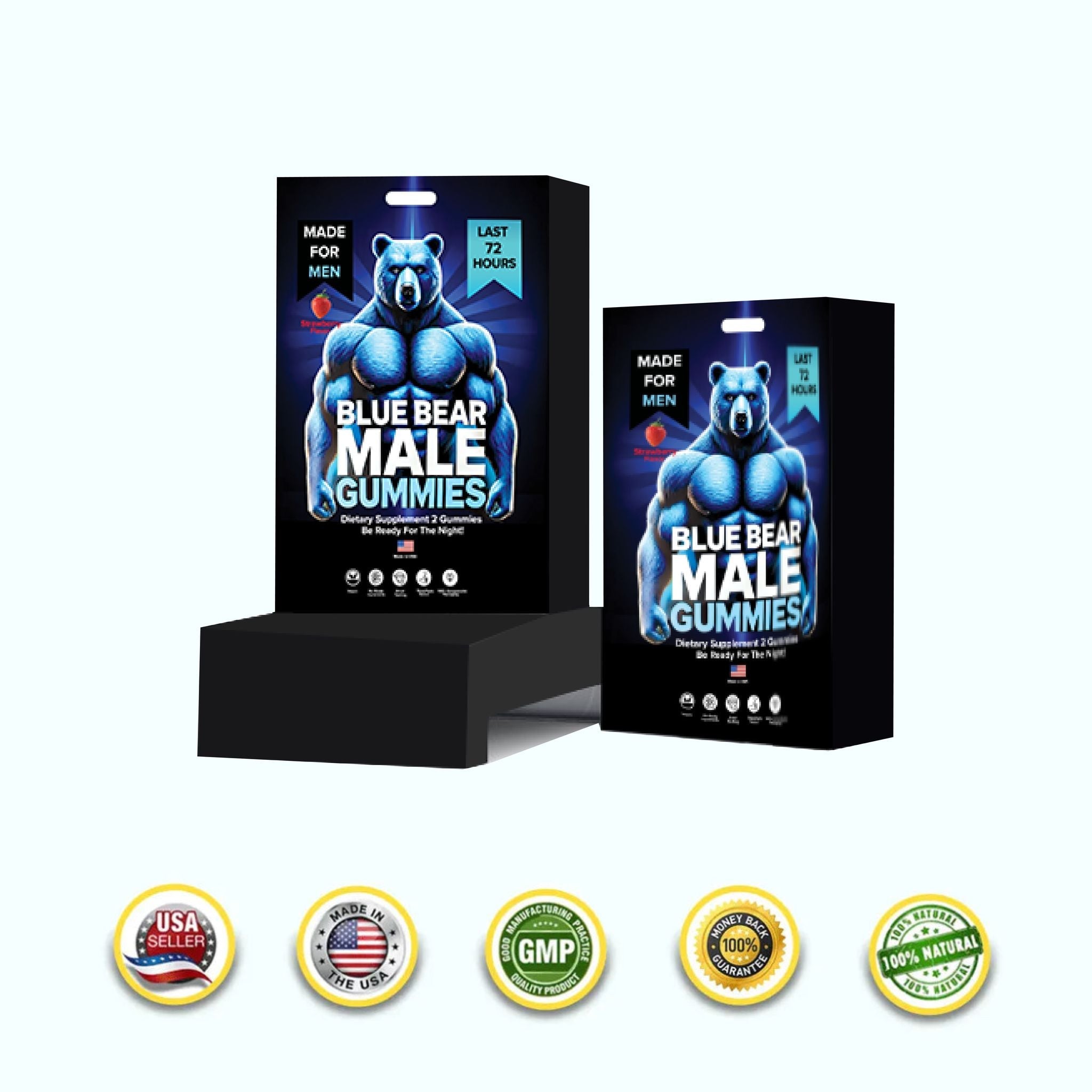
None of this replaces the fundamentals. Sleep, nutrition, and ruling out a real deficiency still come first, and if you’re on medication, particularly antidepressants or anticoagulants, a conversation with your clinician still comes before adding anything new. Pureblue’s role is complementary: organic, tested formulations designed to fit into the same evidence-based framework covered throughout this guide, not to substitute for it.
Why the “More Herbs, More Energy” Approach Gets This Backwards
The supplement industry sells adaptogens like ingredients in a smoothie: throw in five, hope one sticks. That’s the opposite of what the evidence supports. The strongest trials, the 2009 rhodiola study and the 2024 ashwagandha study alike, tested one compound, at one dose, for a defined period. Stacking herbs might feel more thorough, but it actually makes it impossible to know what’s working, and it raises your interaction risk for no proven benefit.
The conventional wellness-industry advice also underweights timeline. People expect adaptogens to feel like a pre-workout, and when nothing happens in three days, they conclude the category doesn’t work. The trials say otherwise, but only if you follow the trial logic: single herb, studied dose, four to eight weeks, tracked outcomes.
What actually matters here is unglamorous: rule out deficiency first, pick one herb, match the dose and duration researchers used, and pair it with sleep and nutrition you’re not currently managing well. Buyers who skip that groundwork and chase the “best adaptogen” as if it’s a silver bullet are the ones most likely to give up and call the entire category snake oil. It isn’t. It’s just slower and more specific than the industry lets on.
— Organic
Start With One Adaptogen, Backed by What’s Actually in It
If you’ve made it this far, you already know the two things that matter most before you buy anything: which herb fits your specific kind of fatigue, and whether the product actually contains what the label claims at a dose that resembles what researchers tested. That second part is where most supplement shopping falls apart, and it’s exactly where Pureblue is built differently.
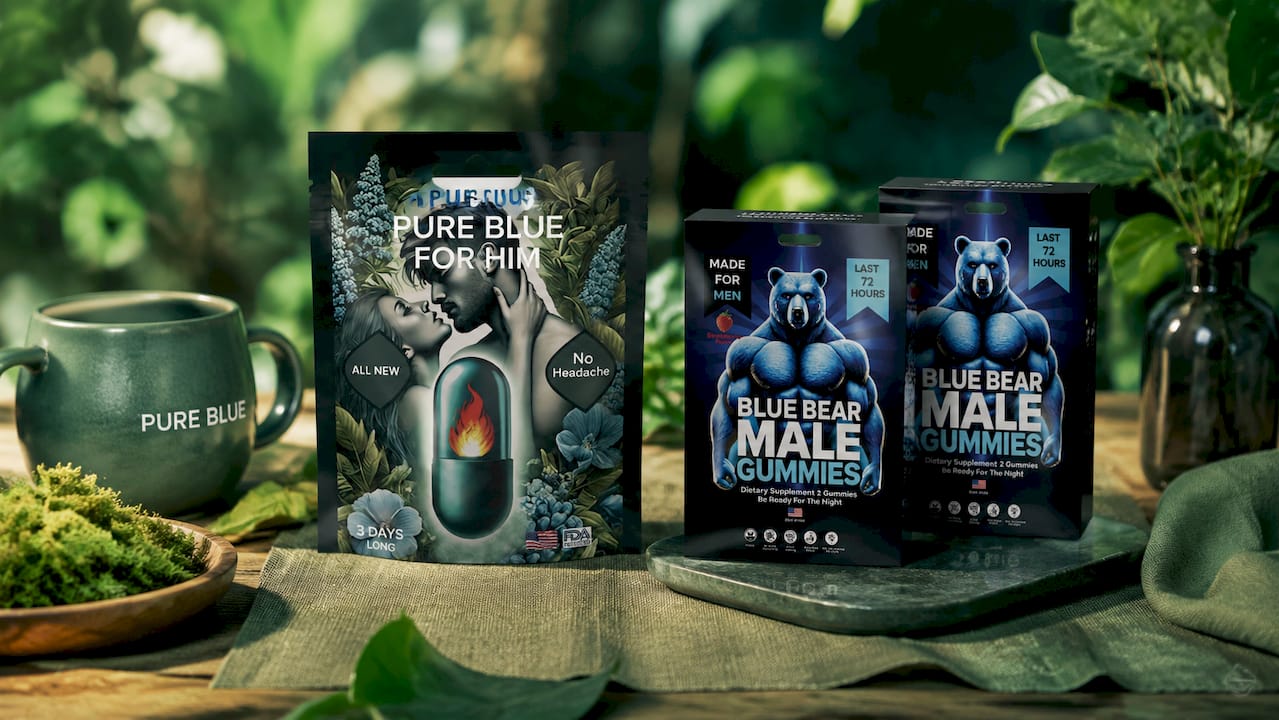
If you’re targeting mitochondrial support and cellular energy along the lines discussed above, the Quantum Vitality™ formula is built around that exact pathway. If vigor and vitality are your specific goal, the Blue Bear Male Gummies target that outcome directly. Read the ingredient panel against the doses covered in this guide, pick the formula that matches your fatigue type, and give it the same four to eight weeks the clinical trials used before judging the results.
Sources
- PubMed: randomized ashwagandha study (2024)
- PubMed: Olsson et al., 2009 Rhodiola trial
- NIH ODS: Ashwagandha Consumer Fact Sheet
- Harvard Health: Ashwagandha benefits and safety
- Frontiers Nutrition: Rhodiola systematic review and meta-analysis (2025)
This article is general information, not a substitute for advice from a qualified doctor. Consult a qualified healthcare professional about your own circumstances before acting on anything here.