Cart
0
Resveratrol can support a NAD+ boosting strategy, but it doesn’t raise NAD+ levels on its own, the way a precursor like nicotinamide riboside (NR) does. One trial combining NR with pterostilbene, a resveratrol relative, pushed whole-blood NAD+ up roughly 40% at a standard dose and around 90% at double dose over four weeks. Resveratrol’s real job is downstream, and if you’re on blood thinners or other prescriptions, talk to your clinician before stacking either compound.
TL;DR:
- Combining NAD+ precursors like NR or NMN with resveratrol enhances NAD+ levels more effectively than resveratrol alone, especially at higher doses.
- Resveratrol’s bioavailability is limited due to rapid metabolism, causing inconsistent results in human trials and making formulation quality critical.
- Resveratrol may support NAD+ production indirectly by reducing oxidative damage and enhancing the enzyme activities involved in NAD+ synthesis.
- People on blood thinners, anticoagulants, or with other medication sensitivities should consult a healthcare provider before taking resveratrol because of potential drug interactions.
- A typical sustained dose of NAD+ precursors like NR or NMN shows consistent blood NAD+ increases, but long-term clinical benefits remain unproven.
Table of Contents
- What Does NAD+ Actually Do in Your Cells?
- How Does Resveratrol Work, and Why Does Bioavailability Matter?
- Do NAD+ Precursors and Resveratrol Actually Move the Needle in Trials?
- Could Resveratrol Actually Boost the Effect of NAD+ Precursors?
- What Are the Safety Risks and Drug Interactions to Know?
- How Should You Dose and Time NAD+ Precursors With Resveratrol?
- What Does Pureblue’s Product Claim, and Where Does the Science Line Up?
- Is Combining NAD+ Support With Resveratrol Worth the Risk?
- Ready to Support Your NAD+ Pathways the Smart Way?
- Sources
- FAQ
What Does NAD+ Actually Do in Your Cells?
NAD+ (nicotinamide adenine dinucleotide) is not a vitamin or a hormone. It’s a coenzyme, a molecule your cells use as a shuttle for electrons during metabolism, and it’s also the required fuel for two families of proteins that control aging biology: sirtuins and PARPs (poly-ADP-ribose polymerases).
Every cell in your body runs thousands of redox reactions per second, and NAD+ (along with its reduced form, NADH) ferries electrons through the mitochondrial pathways that turn food into usable energy. Without enough NAD+ circulating, that energy production slows down. That’s the metabolic half of the story.
The other half involves sirtuins, a family of seven enzymes (SIRT1 through SIRT7) that regulate gene expression, inflammation, and cellular stress responses. Sirtuins can’t function without NAD+ as a cofactor. Neither can PARPs, which patch broken DNA strands. Every time a cell repairs DNA damage from UV exposure, oxidative stress, or normal replication errors, PARP enzymes consume NAD+ to do it.
Here’s the problem: NAD+ levels don’t stay constant across a lifetime. Research consistently shows a decline in tissue and blood NAD+ starting in middle age, and by the time most people reach their sixties, concentrations can drop to a fraction of what they were in their twenties. That decline isn’t cosmetic. It shows up as:
- Reduced capacity for DNA repair, since PARPs have less fuel to work with
- Weaker sirtuin activity, which is linked to increased inflammatory signaling
- Slower mitochondrial energy output, often felt as fatigue or reduced exercise recovery
- Impaired cellular stress resistance, making tissues more vulnerable to metabolic strain
This is why NAD+ decline gets so much attention in aging research. The hypothesis, and it remains a hypothesis rather than a settled fact, is that restoring youthful NAD+ levels might partially restore some of the metabolic and repair capacity lost with age. Researchers call this the “healthspan” argument: the goal isn’t necessarily to extend maximum lifespan, but to extend the years spent in good metabolic and cognitive function.
It’s worth being precise about what’s actually been demonstrated versus what’s inferred. Studies have clearly shown that NAD+ precursors like NR and nicotinamide mononucleotide (NMN) raise blood NAD+ concentrations in humans. What’s far less settled is whether that increase translates into measurable gains in energy, cognition, or disease prevention over the long term. Animal studies, particularly in rodents, show more dramatic effects on metabolic markers and even lifespan than anything documented in people so far.
The distinction matters because a lot of marketing language blurs the line between “raises NAD+ levels” (well established) and “reverses aging” (not established in humans). Pureblue’s own approach leans on the former: raising the substrate rather than promising outcomes it can’t verify.
Think of NAD+ like the electrical grid for a city. When the grid runs at full capacity, factories (mitochondria) produce energy efficiently, and repair crews (PARPs and sirtuins) can respond quickly to outages (DNA damage). As the grid ages and capacity drops, everything gets slower and less resilient, even if no single failure is catastrophic. Boosting NAD+ availability is, in that analogy, less about building a new grid and more about restoring the voltage to what it used to be.
How Does Resveratrol Work, and Why Does Bioavailability Matter?
Resveratrol is a polyphenol found in red grape skins, certain berries, and peanuts, and it earned its reputation in the early 2000s when lab studies suggested it activated SIRT1, the same sirtuin enzyme that depends on NAD+ availability. That finding fueled the “French paradox” narrative and a wave of longevity supplements built around it.
The mechanism, as researchers currently understand it, works on a few fronts:
- Sirtuin activation: Resveratrol appears to enhance SIRT1 activity, though later research suggests this effect may be partly indirect, working through changes in cellular stress signaling rather than direct enzyme binding in every case.
- AMPK activation: Resveratrol also activates AMP-activated protein kinase (AMPK), a cellular energy sensor that responds to low energy states by ramping up mitochondrial biogenesis and fatty acid oxidation. This pathway overlaps functionally with what NAD+ restoration is trying to achieve, more efficient energy production at the cellular level.
- Antioxidant activity: As a polyphenol, resveratrol neutralizes reactive oxygen species directly, which may reduce the oxidative burden that depletes NAD+ through excess PARP activation in the first place.
That third mechanism is genuinely interesting because it suggests resveratrol could preserve NAD+ indirectly, by reducing the DNA damage that forces PARPs to burn through the NAD+ supply. Less damage means less NAD+ consumption for repair, which theoretically leaves more available for sirtuin signaling and metabolic function.
The catch, and it’s a significant one, is bioavailability. Resveratrol is absorbed reasonably well in the gut, but it gets metabolized so fast by the liver and intestines that very little intact resveratrol ever reaches systemic circulation. Most of what you swallow gets converted into glucuronide and sulfate conjugates within a couple of hours, and researchers still debate how much biological activity those metabolites retain.
This is the single biggest reason clinical trials of resveratrol produce such inconsistent results. Two studies can use similar doses and see completely different outcomes depending on formulation, whether it was taken with fat (which improves absorption), and how the trial measured “benefit.” A systematic look at supplements containing NMN, NAD, and resveratrol found the human evidence for resveratrol’s effects heterogeneous: some trials report modest improvements in memory or metabolic markers at specific doses, while others show no effect at all.
This is also why pterostilbene, a naturally methylated analog of resveratrol found in blueberries, keeps showing up in newer formulations. It shares resveratrol’s basic structure but resists metabolic breakdown better, giving it a longer half-life in the bloodstream. That’s part of why the NR plus pterostilbene combination has produced some of the cleanest human data in this entire category, discussed in the next section.
Do NAD+ Precursors and Resveratrol Actually Move the Needle in Trials?
Trial data on NAD+ precursors is more consistent and more convincing than the resveratrol data, and the numbers are worth sitting with.
The clearest human trial to date: a randomized, double-blind, placebo-controlled study of NRPT (nicotinamide riboside combined with pterostilbene) found that whole-blood NAD+ rose about 40% at the standard dose and about 90% at double dose after four weeks, with those elevated levels sustained through eight weeks of continued dosing and no significant safety signals reported.
That trial matters for two reasons. First, it’s one of the few studies to combine a NAD+ precursor with a stilbene compound and measure the actual blood NAD+ response, rather than relying on indirect markers. Second, the dose-response relationship (roughly double the NAD+ increase at double the dose) suggests a real, measurable biological effect rather than noise.
NMN research tells a similar story from a different angle. A 12-week trial using 250 mg of oral NMN daily significantly increased whole-blood NAD+ in healthy adults with no apparent adverse effects. A separate, larger dose-ranging trial using 300 to 900 mg of NMN daily found increases in blood NAD+ across every dosing arm, with some higher-dose groups showing improved six-minute walk test distances, a real functional measure of physical capacity, not just a blood marker. Tolerability was good even at the highest dose tested.
NR alone has arguably the most granular dose data available. An 8-week randomized trial of NIAGEN (nicotinamide riboside chloride) found whole-blood NAD+ rose 22%, 51%, and 142% at 100 mg, 300 mg, and 1,000 mg daily respectively, with no significant safety concerns at any dose. That’s about as clean a dose-response curve as you’ll find in this research area, and it’s part of why NR has become the reference compound for oral NAD+ precursor supplementation.

Resveratrol’s trial record looks different. Human studies testing resveratrol alone for cognitive or metabolic outcomes have produced genuinely mixed results. Some report modest improvements in memory performance or markers like fasting glucose and lipid profiles at specific doses. Others find no meaningful difference from placebo. The heterogeneity isn’t necessarily a sign that resveratrol “doesn’t work.” It more likely reflects the bioavailability problem discussed earlier: inconsistent absorption between individuals and formulations makes it hard to draw a straight line from dose to effect.
Put the two evidence bases side by side and a clear pattern emerges. NAD+ precursors have a strong, repeatable, dose-dependent signal for raising the specific biomarker they’re designed to raise. Resveratrol has a plausible mechanism and decent preclinical support, but the human clinical translation remains inconsistent enough that no one should treat it as a guaranteed sirtuin activator at whatever dose is on a label.
Could Resveratrol Actually Boost the Effect of NAD+ Precursors?
The mechanistic case for combining the two compounds is more coherent than the standalone resveratrol data might suggest, and it comes down to how NAD+ is actually manufactured inside a cell.
NAD+ is built through what’s called the salvage pathway, starting with nicotinamide (NAM) or nicotinamide riboside, which gets converted step-by-step into NMN and then into NAD+ itself. NMNAT (nicotinamide mononucleotide adenylyltransferase) is the enzyme responsible for that final conversion step. Some mechanistic and preclinical evidence suggests resveratrol may influence NMNAT activity or otherwise support the synthesis pathway, rather than simply activating SIRT1 downstream of NAD+ that’s already present.
If that’s accurate, resveratrol isn’t competing with NAD+ precursors for the same job. It’s working a different part of the assembly line: precursors supply the raw material, and resveratrol may help the machinery that turns raw material into finished product run more efficiently, while also supporting SIRT1 signaling once NAD+ is available.
Here’s the honest breakdown of the possible synergy:
- Substrate supply: NR and NMN feed the salvage pathway directly, raising the pool of usable NAD+.
- Synthesis support: Resveratrol may enhance the enzymatic conversion of that raw material into NAD+, based on preclinical mechanistic work.
- Downstream amplification: Once NAD+ is available, resveratrol’s effect on SIRT1 could make the sirtuin response more robust than NAD+ availability alone would produce.
- Damage reduction: Resveratrol’s antioxidant activity may reduce the oxidative load that would otherwise force PARPs to consume NAD+ for repair, effectively preserving more of the NAD+ pool for sirtuin signaling.
Preclinical work backs some of this up. Animal studies and small human trials combining NR or NMN with stilbene compounds like pterostilbene have shown higher tissue or blood NAD+ responses than precursors used alone, a pattern that lines up with the NRPT trial data cited earlier.
Pro Tip: If you’re evaluating a combination product, check whether the resveratrol dose is even in the same order of magnitude as doses used in human trials (often in the hundreds of milligrams). A trace amount listed mainly for marketing won’t do much of anything, regardless of what the mechanism paper says.
None of this means the combination is clinically proven to slow aging or extend life in humans. Mechanistic plausibility, even backed by decent preclinical data, is a different tier of evidence than a large, long-duration human outcome trial. Nobody has run that trial yet for the NAD+ plus resveratrol combination specifically. What exists is a coherent biochemical story with early human signals, not a settled verdict.
What Are the Safety Risks and Drug Interactions to Know?
Resveratrol’s biggest real-world safety concern isn’t toxicity in the doses people actually take. It’s drug interactions, and this is the part most supplement marketing glosses over entirely.
Resveratrol modulates several cytochrome P450 enzymes, including CYP3A4, CYP2D6, and CYP2C9, along with P-glycoprotein transport activity. Those are the same enzyme systems responsible for metabolizing a large share of prescription medications, including anticoagulants like warfarin. Altering their activity can raise or lower drug levels in your bloodstream in ways that are hard to predict without monitoring.
For someone on warfarin or another blood thinner, this isn’t a theoretical concern. Changes in CYP-mediated metabolism can intensify anticoagulant effects, raising bleeding risk. The same enzyme pathways handle metabolism for a long list of other drugs too, including certain statins, some antidepressants, and immunosuppressants, so “I’m not on blood thinners” doesn’t mean the interaction risk disappears.
On the toxicity side, National Toxicology Program studies on trans-resveratrol found dose-dependent organ effects in rodents at high doses, including changes in kidney and liver tissue at the top dose levels tested, with no-observed-effect levels identified below that threshold. It’s worth stressing the gap between those animal doses and what human trials typically use. The doses that produced organ changes in rodents were far higher, on a body-weight basis, than the amounts used in the human studies discussed earlier in this article. Human trials at commonly used doses have generally reported good short-term tolerability, but that’s exactly why interaction risk, not raw toxicity, is the practical concern for someone considering resveratrol alongside their existing medications.
Here’s a straightforward safety checklist:
- Tell your clinician about any NAD+ precursor or resveratrol supplement you’re taking, especially before surgery or a new prescription
- Avoid resveratrol and NAD+ precursor supplementation during pregnancy or breastfeeding unless a clinician has specifically advised otherwise
- Stop resveratrol supplementation before scheduled surgery, given its effects on blood clotting-related metabolism
- If you’re on warfarin or another anticoagulant, don’t start resveratrol without direct clinician guidance and monitoring
- Watch for unusual bruising, prolonged bleeding, or GI discomfort, and report it promptly rather than waiting it out
Disclosing supplement use to your care team isn’t a formality. It’s the single easiest way to catch an interaction before it becomes a problem, particularly with drugs that have a narrow safety margin.
How Should You Dose and Time NAD+ Precursors With Resveratrol?
If you’re going to try combining an NAD+ precursor with resveratrol, structure matters more than enthusiasm. Here’s a practical sequence based on what the trials actually tested:
- Start with a clinician conversation. Bring your current medication list, especially anything affecting blood clotting, cholesterol, or mood, before adding either compound.
- Pick a precursor dose in the tested range. Human trials have used NR from 100 mg up to 1,000 mg daily, and NMN from 250 mg up to 900 mg daily, with dose-dependent NAD+ increases and generally good tolerability across that range.
- Keep resveratrol dosing realistic. Human trials span a wide range, from tens of milligrams up to several grams daily, but higher doses correlate with more gastrointestinal complaints and no proportionally larger benefit in most studies. A moderate dose, taken with a source of dietary fat to aid absorption, is a more defensible starting point than maximizing milligrams.
- Consider pterostilbene as an alternative. Because it resists metabolic breakdown better than resveratrol, some formulations use it instead, and it’s the stilbene actually paired with NR in the strongest existing trial data.
- Give it four to eight weeks before judging results. The clearest human trials measured NAD+ changes at four weeks with sustained effects through eight weeks. That’s the realistic window for a blood marker change, not for subjective energy improvements, which are far less consistently documented.
- Watch for stop signals. New bruising, gum bleeding, GI distress, or the start of a new prescription are all reasons to pause and check in with a clinician rather than push through.
Pro Tip: Split dosing (taking your precursor in the morning and resveratrol with a meal later in the day) is a common practical approach, though no trial has directly tested whether timing changes the outcome. It’s a reasonable, low-risk way to manage GI tolerance if you notice any.
What Does Pureblue’s Product Claim, and Where Does the Science Line Up?
Pureblue’s Quantum Vitality NAD+ Booster+ Detox is positioned as a 3-in-1 formula combining NAD+ support, mental clarity ingredients, and detox components, built around organic, non-GMO ingredients with no artificial fillers. Pureblue states the product is manufactured in an FDA-registered, GMP-certified facility and is third-party tested for purity and potency before it ships.
That manufacturing framework matters in a category where quality control varies enormously between brands. Third-party testing verifies that what’s on the label matches what’s in the capsule, and FDA facility registration means the manufacturing site meets baseline federal oversight standards, though it’s worth being clear that facility registration is not the same as FDA approval of the product’s health claims.
Here’s where the science and the product claims connect, and where gaps remain:
- Pureblue markets Quantum Vitality around supporting NAD+ related pathways, which lines up with the biochemical rationale for NAD+ precursor supplementation discussed throughout this article.
- The formula’s detox and clarity components are framed as complementary to energy support, though those specific outcomes haven’t been isolated in the peer-reviewed human trials cited here, which focused specifically on blood NAD+ changes from precursor compounds.
- As with any supplement in this category, individual ingredient doses and third-party test results are the details worth checking directly on the product page before comparing it against trial-tested dose ranges.
Pureblue also offers a free trial listing for Quantum Vitality for readers who want to evaluate the formulation before a full purchase.
Is Combining NAD+ Support With Resveratrol Worth the Risk?
The honest position is cautious optimism, not a full endorsement. The biochemistry connecting resveratrol to NAD+ pathways is more coherent than skeptics give it credit for, and the human trial data on NAD+ precursors themselves is genuinely solid, not speculative. What’s missing is a large, long-duration human trial testing the combination against hard clinical outcomes, rather than blood biomarkers or short-term function tests.
That gap doesn’t mean you should ignore the science. It means you should treat supplementation as one lever among several, alongside sleep, exercise, and diet, rather than a substitute for any of them. If you’re considering a short trial period, do it with your clinician looped in from the start, particularly if you take other medications. Watch how you actually feel, not just what a label promises.
— Organic
Ready to Support Your NAD+ Pathways the Smart Way?
Most NAD+ products on the market either bury their precursor dose in a proprietary blend or skip third-party verification entirely, leaving you guessing whether the label matches what’s in the bottle. Pureblue’s Quantum Vitality NAD+ Booster+ Detox is formulated with organic, non-GMO ingredients, manufactured in an FDA-registered, GMP-certified facility, and third-party tested for purity and potency before it reaches you.

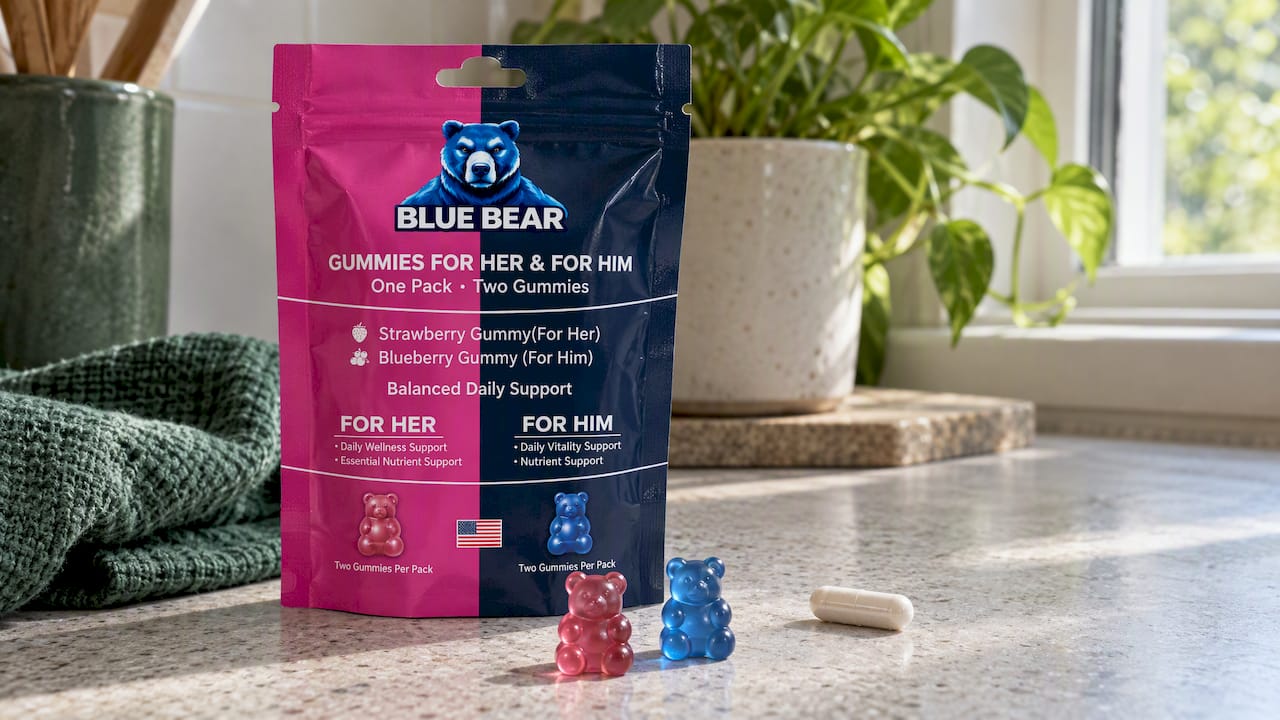
The 3-in-1 formula is built to support NAD+ related pathways alongside mental clarity and detox, all without artificial fillers, at a one-time price of $69.99 on the Quantum Vitality product page. Want to try it before committing? Check the free Quantum Vitality offer first. Browsing the full lineup, including Blue Bear Gummies or the frontpage bundle options with shipping protection, is a good next step if you want to compare formulas side by side before checkout.
This article is general information, not a substitute for advice from a qualified doctor. Consult a qualified healthcare professional about your own circumstances before acting on anything here.
Sources
- Repeat dose NRPT (nicotinamide riboside and pterostilbene) increases NAD+ levels in humans safely and sustainably: a randomized, double-blind, placebo-controlled study
- Oral Administration of Nicotinamide Mononucleotide Is Safe and Efficiently Increases Blood Nicotinamide Adenine Dinucleotide Levels in Healthy Subjects
- Safety and Metabolism of Long-term Administration of NIAGEN (Nicotinamide Riboside Chloride) in a Randomized, Double-Blind, Placebo-controlled Clinical Trial of Healthy Overweight Adults
- Potential Synergistic Supplementation of NAD+ Promoting Compounds as a Strategy for Increasing Healthspan
FAQ
What Are the Benefits of Combining NAD+ and Resveratrol?
NAD+ precursors like NR and NMN reliably raise blood NAD+ levels, with trials showing increases from 22% up to 142% depending on dose. Resveratrol may complement that effect by supporting sirtuin activity and NAD+ synthesis pathways, though human evidence for the combined benefit remains preliminary.
Can I Take Resveratrol and NAD+ Precursors Together?
Yes, and preclinical evidence suggests the combination may work through complementary mechanisms, with some studies showing higher tissue NAD+ responses when stilbenes and precursors are paired rather than used separately. Anyone on prescription medication, especially blood thinners, should confirm the combination with a clinician first.
What Should You Not Mix With NAD+ Supplements?
NAD+ precursors themselves have a clean safety record in trials, but resveratrol taken alongside them changes the picture because it affects CYP enzymes and P-glycoprotein activity, which can alter how drugs like warfarin, certain statins, and some antidepressants are metabolized. Avoid combining resveratrol with anticoagulants unless your clinician is actively monitoring the interaction.
Who Should Not Take Resveratrol?
People on anticoagulants or other narrow-therapeutic-index medications should avoid resveratrol without direct clinician oversight, given its effects on drug-metabolizing enzymes. Pregnant or breastfeeding individuals, and anyone scheduled for surgery, should also avoid it unless specifically advised otherwise by a healthcare provider.
How Much Does Pureblue’s Quantum Vitality NAD+ Booster Cost?
Quantum Vitality NAD+ Booster+ Detox is priced at $69.99 as a one-time purchase on the Pureblue product page. A free trial listing is also available for readers who want to evaluate the formula first.