Cart
0

For most people trying to raise NAD+ safely and consistently, nicotinamide riboside (NR) is the better-supported choice, backed by over 30 human trials showing measurable blood NAD+ increases at 300 to 1,000 mg daily. Niacin can raise NAD+ more dramatically in some cases and costs far less, but it usually causes flushing and needs medical monitoring at therapeutic doses. Niacinamide skips the flush but is weaker for systemic NAD+ goals. If you want a ready-made option built around this exact category, Quantum Vitality NAD+ Booster+ Detox is worth a look.
TL;DR:
- Most people seeking a safe, consistent blood NAD+ increase should prioritize nicotinamide riboside (NR), supported by over 30 human trials at doses of 500 to 1,000 mg daily.
- Niacin can produce larger, more dramatic NAD+ boosts, especially in therapeutic doses for specific conditions, but frequently causes flushing and requires medical supervision.
- A significant portion of ingested NR and niacin may degrade before reaching cells, with absorption depending heavily on individual transport proteins, affecting their efficacy.
- Raising blood NAD+ levels does not guarantee improved healthspan or lifespan, and differences in trial data mean NR is generally more predictable and better tolerated for most users.
- For a convenient, evidence-based supplement, formulated options like Quantum Vitality NAD+ Booster+ Detox provide a standardized, third-party verified approach without the need to assemble a stack yourself.
Table of Contents
- Niacin vs NR: How Each One Reaches NAD+
- What Does the Human Evidence Actually Show?
- Which Form of B3 Fits Your Goals?
- How Pureblue Approaches the NAD+ Question
- Why I’d Push Back on the “Just Take Niacin” Advice
- Ready to Try an NAD+ Formula Built Around This Evidence?
- Where to Verify the Research Yourself
- Sources
- FAQ
Niacin vs NR: How Each One Reaches NAD+
Both niacin and NR end up in the same place, NAD+, but they take different roads to get there. Niacin (nicotinic acid) runs through what’s called the Preiss-Handler pathway, a route your body has used since long before anyone coined the term “NAD+ booster.” NR takes the salvage pathway, converting through nicotinamide riboside kinases (NRKs) and sidestepping an enzyme called NAMPT, which is often the rate-limiting step in NAD+ production.
That NAMPT bypass matters more than it sounds. In people whose NAMPT function is impaired, such as those with mitochondrial myopathy, niacin’s alternate route through Preiss-Handler can restore tissue NAD+ in ways that salvage-pathway precursors sometimes can’t match. That’s a specific clinical scenario, not a general argument for niacin over NR in a healthy adult looking for a daily supplement.
Here’s the part most comparison articles skip: a large share of what you swallow, whether it’s NR or niacin, never arrives at your cells intact.
- Oral NR and NMN are frequently degraded to nicotinamide or nicotinic acid before they ever reach tissue, which is why cell-culture results and human outcomes often diverge.
- Absorption depends on transport proteins like ENTs, NRKs, NAMPT, and NAPRT, and how much of each you have varies person to person.
- This variability is a big reason head-to-head human comparisons between precursors remain limited.
- Niacin’s Preiss-Handler route doesn’t rely on NAMPT at all, which is part of why it can produce outsized NAD+ jumps in specific patients.
So what does this mean in practice? Niacin can push NAD+ up sharply, sometimes dramatically, precisely because it doesn’t depend on the enzyme that often bottlenecks salvage-pathway precursors. NR aims for something different: a smaller but more predictable and better-tolerated rise, which is why its human-trial data reads more consistently across studies than niacin’s. Neither path is “wrong.” They’re built for different jobs, and that distinction shapes everything else in this comparison, from dosing to side effects.
What Does the Human Evidence Actually Show?
The clearest answer to “is niacin effective” or whether NR outperforms it depends entirely on what you’re measuring, blood NAD+ levels, symptom relief, or long-term outcomes, and the evidence differs sharply across all three.
NR has the deepest bench of trials among oral NAD+ precursors. More than 30 human studies, including work from researchers like Martens and colleagues, report roughly a twofold increase in blood NAD+ at doses between 500 and 1,000 mg per day, with a generally favorable safety record at these levels. That volume of consistent data is exactly why NR gets called the “evidence-first” option in most serious comparisons.
Niacin’s story is older and, in some ways, more dramatic. Decades of lipid-management trials established its cardiovascular track record long before anyone was talking about NAD+. More recent therapeutic work, including a study in patients with mitochondrial myopathy, found NAD+ increases at therapeutic doses with a broader range of increase than most NR trials report. That’s a bigger swing than most NR trials report. The catch is flushing, a wave of skin redness and heat driven by prostaglandin release, which shows up commonly at these doses and pushes many people to stop taking it.
Quick numbers to keep straight:
- NR: typical dose range studied in trials is within a moderate supplement range, associated with roughly doubled blood NAD+ levels and generally good tolerability.
- Niacin (therapeutic use): higher doses used in some clinical settings produce variable but often larger NAD+ increases, but flushing is common.
- Niacinamide: no flushing, but less evidence supporting large systemic NAD+ increases.
The NIH Office of Dietary Supplements notes that nicotinic acid causes flushing at supplemental doses, and very high intakes of niacin or nicotinamide can cause liver toxicity, while nicotinamide itself doesn’t produce the flush, though it can cause other adverse effects at doses above 3,000 mg per day.
Niacinamide occupies its own lane. It’s the form most often used in skin and joint-support formulations because it’s flush-free and generally gentle, but it doesn’t carry the same weight of evidence for raising blood NAD+ system-wide the way NR does.
One more thing worth knowing before you get excited about any of these numbers: raising blood NAD+ is not the same as proving a longevity benefit. No NAD+ precursor, NR, NMN, or niacin, has demonstrated proven human healthspan or lifespan extension. The biomarker moves. Whether that movement adds years to your life is still an open question. Regulatory history also splits the field: NMN has run into FDA scrutiny in some filings, while NR carries a cleaner GRAS status and a longer trial record, a detail that affects what you’ll actually find on store shelves.
Which Form of B3 Fits Your Goals?
The right choice comes down to what you’re actually trying to accomplish, not which supplement has the flashiest marketing.
If you want the cheapest possible NAD+ boost and don’t mind some discomfort, niacin is the budget option, with decades of cardiovascular data behind it. But flushing is common enough that most people abandon it within weeks unless they’re using it for a specific medical reason.
If you’re chasing measurable, sustained blood NAD+ elevation with minimal side effects, NR is the better-documented route. Its trial volume and tolerability profile make it the default pick for most health-conscious adults comparing niacin vs NR for general vitality goals.
If your priority is skin, joint support, or you simply can’t tolerate flushing at all, niacinamide is the practical fallback, even though its systemic NAD+ effect is milder.
If you have a diagnosed mitochondrial condition or another therapeutic reason to consider high-dose niacin, that decision belongs with a physician, not a supplement aisle. The NAD+ increases can be substantial, but so are the monitoring requirements.
- Expect measurable blood NAD+ changes from NR within 1 to 2 weeks of consistent daily dosing.
- Have baseline liver enzymes checked before starting any high-dose niacin regimen, and recheck periodically.
- Anyone on statins, blood thinners, or diabetes medication should talk to a clinician before adding therapeutic-dose niacin.
- Stop and call your doctor if you notice yellowing skin or eyes, unusual fatigue, or severe abdominal pain on any B3 form.
- Watch for flushing intensity with niacin. Mild warmth is common; dizziness or a racing heart is not.
Pro Tip: Start any new NAD+ precursor at the low end of its dosing range for a week before moving up. It’s easier to gauge tolerability that way, and it keeps you from confusing a normal adjustment period with a genuine side effect.
Cost tends to track with tolerability here. Niacin is inexpensive because it’s been manufactured at scale for cardiovascular use for decades. NR costs more per dose, largely because it’s a newer, more specialized ingredient with a shorter manufacturing history and a stronger tolerability profile to back its price tag.
How Pureblue Approaches the NAD+ Question
Quantum Vitality NAD+ Booster+ Detox was built for the reader who wants a ready-formulated option rather than piecing together individual precursors and cross-checking doses themselves.
That combination matters if you’ve read this far and landed on “I want the NR-style approach, but I don’t want to become my own pharmacist.” Quantum Vitality is positioned as a 3-in-1 formula covering NAD+ support and detox in one product, which suits people who value convenience and third-party verification over building a stack from scratch.
Before you buy any NAD+ product, though, check the label the way this article just taught you to:
- Confirm which B3 form is actually listed, niacin, niacinamide, or nicotinamide riboside, since they are not interchangeable.
- Check the milligram dose against the ranges discussed above (300 to 1,000 mg for NR trials, for example) rather than trusting a vague “NAD+ support” claim.
- Look for third-party testing disclosures, since a surprising number of NAD+ products convert largely to nicotinamide before absorption regardless of what the front label emphasizes.
- If the label doesn’t disclose dose or form clearly, that’s a reason to keep looking.
Pureblue’s own testing and organic sourcing address the purity side of that checklist. The dose-and-form side is still yours to verify, no matter whose bottle you’re holding.
Why I’d Push Back on the “Just Take Niacin” Advice
Most budget-supplement forums push niacin as the obvious NAD+ hack because it’s cheap and the numbers on paper look aggressive: an 8-fold NAD+ increase sounds unbeatable next to NR’s roughly 2-fold bump. But that comparison hides the fact that the biggest niacin gains came from a therapeutic trial in patients with a specific mitochondrial impairment, not from healthy adults trying to feel sharper in the afternoon. Applying a clinical dose meant for a diagnosed condition to a general wellness routine is exactly the kind of shortcut that leads to unnecessary flushing and, at high enough doses, real liver risk.
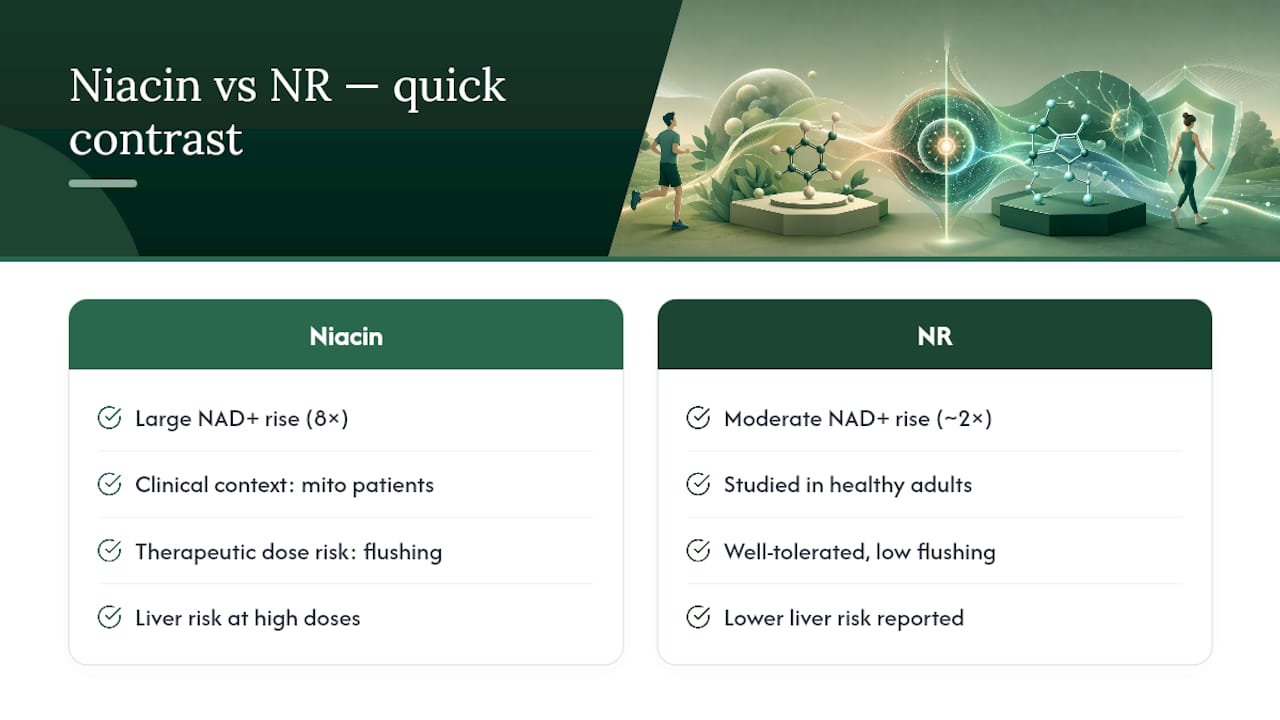
The more honest framing is that niacin and NR aren’t competing for the same job. One is a decades-old cardiovascular drug with a narrow therapeutic niche in mitochondrial disease. The other is a purpose-built, well-tolerated precursor with a genuinely deep trial record for the specific goal most readers actually have: raising blood NAD+ without spending your afternoon glowing red in a meeting.
This article draws on published trial data and NIH safety guidance, cross-referenced with Pureblue’s own product formulation and testing claims. Weigh the general guidance here against your own labs, medications, and a conversation with your doctor, especially if you’re considering therapeutic-dose niacin rather than a standard supplement approach.
— Organic
Ready to Try an NAD+ Formula Built Around This Evidence?
Buying supplements off a forum recommendation means guessing at dose, form, and purity all at once.
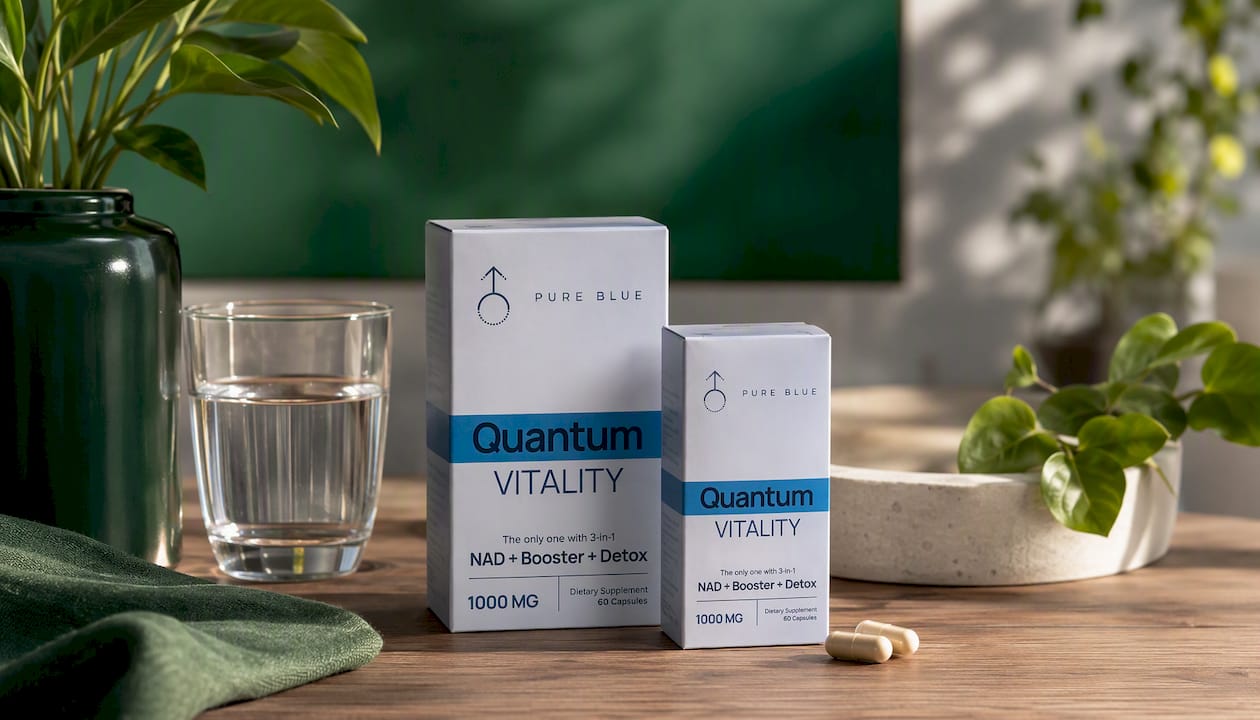
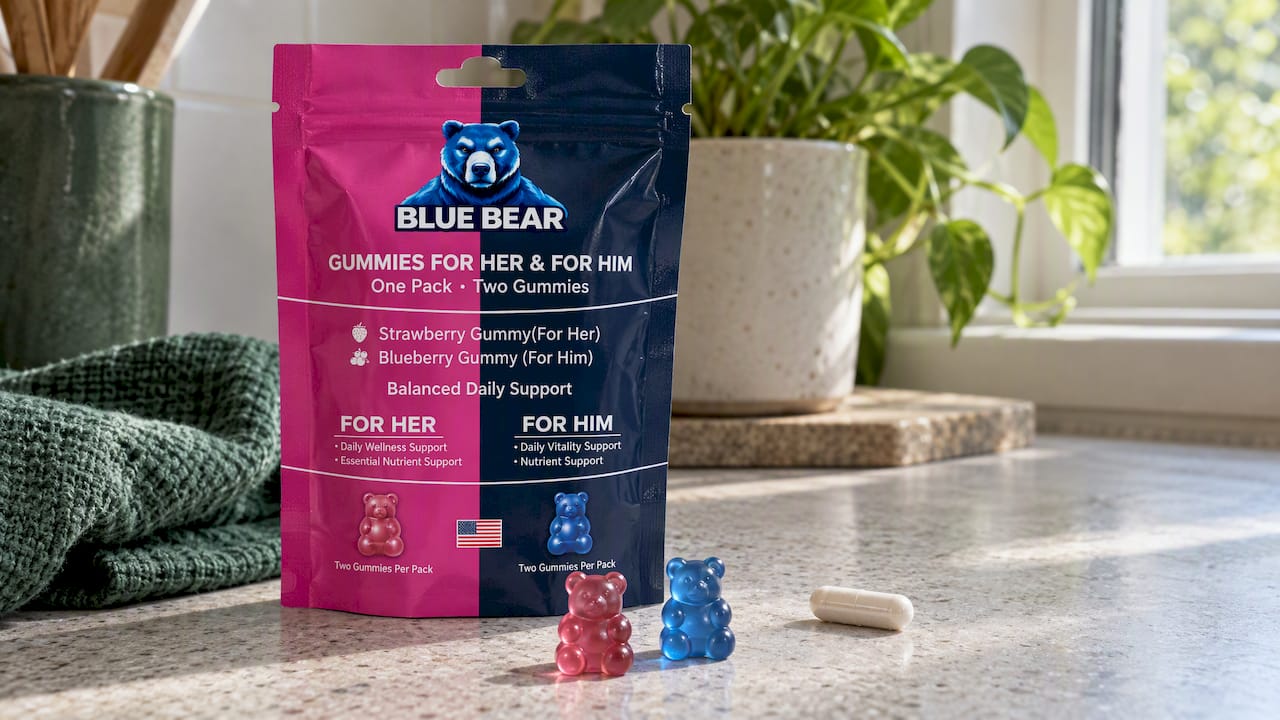
If you’ve read this far and landed on “NR-style support without building my own stack,” Quantum Vitality NAD+ Booster+ Detox is the direct option. Not ready to commit? Start with the free trial of Quantum Vitality first, or browse bundles and shipping protection if you want to stock up. Pureblue also carries Blue Bear Male Gummies and other options for him and WAP formulas for her if vitality support beyond NAD+ is on your list. Whichever you choose, check your own medications and health history first, and talk to your doctor if you’re considering therapeutic-dose niacin instead of a standard supplement.
Where to Verify the Research Yourself
- The NIH Office of Dietary Supplements niacin fact sheet covers dosing, absorption forms, and documented adverse effects including liver toxicity risk at high doses.
- This review of NAD+ precursors and human trials summarizes trial volume, biomarker data, and the current limits of longevity claims.
- Clinicaltrials lets you search active and completed studies on NR, NMN, and niacin directly, including endpoints and study design.
- The mechanisms and clinical applications review breaks down the Preiss-Handler and salvage pathways in more technical depth than covered here.
This article is general information, not a substitute for advice from a qualified doctor. Consult a qualified healthcare professional about your own circumstances before acting on anything here.
Sources
- Review of NAD+ precursors and human trials
- NIH Office of Dietary Supplements — Niacin fact sheet
- Best NAD+ Precursor: NMN, NR, Niacin, and Niacinamide Compared
FAQ
Why Is Niacin No Longer Recommended for Routine NAD+ Boosting?
Niacin isn’t banned or unsafe when used correctly, but its flushing side effect and the liver monitoring needed at high doses make it a poor fit for daily wellness use compared to better-tolerated options. Most of niacin’s strongest NAD+ data comes from therapeutic settings like mitochondrial myopathy treatment, not general supplementation.
Is NR Just Vitamin B3?
Yes, NR is one of several forms of vitamin B3, alongside niacin (nicotinic acid) and niacinamide (nicotinamide). All three eventually feed into NAD+ production, but they use different metabolic pathways and produce different side effect profiles.
Is Niacin the Same as Nicotinamide Riboside?
No. Niacin and NR are both B3 forms but take separate routes to NAD+, niacin through the Preiss-Handler pathway and NR through the salvage pathway via NRK enzymes. Niacin commonly causes flushing at effective doses; NR generally does not, based on data from more than 30 human trials.
What Is the Best Form of B3 to Take?
For most people seeking a well-tolerated NAD+ boost, NR has the strongest and most consistent human trial evidence at 300 to 1,000 mg per day. Niacinamide suits those who want flush-free support for skin or joints, while high-dose niacin belongs under medical supervision for specific therapeutic needs, and a formulated option like Quantum Vitality NAD+ Booster+ Detox offers a tested, ready-made alternative to building your own stack.