Cart
0

Probiotics support detox by binding certain toxins in the gut, strengthening the intestinal barrier, and modulating how the liver and microbiome process waste compounds. These effects are real but strain-specific, backed by human trials showing measurable drops in blood metal levels. What probiotics do not do is “flush” your system in a single step. Think targeted biological support, not a reset button.
TL;DR:
- Probiotic strains like Pediococcus acidilactici GR-1 have shown significant reductions in blood copper and nickel levels over 12 weeks in occupational exposure cases.
- The effectiveness of probiotics depends on strain-specific mechanisms such as biosorption, enzymatic transformation, gut barrier reinforcement, and modulation of enterohepatic circulation.
- Clinical trial results vary widely due to differences in strain choice, dosage, duration, and measurement methods, but overall evidence suggests a positive, if gradual, detox support.
- Consistent probiotic use combined with a diet rich in prebiotic fibers and polyphenols enhances microbiome resilience and supports detox pathways over time.
- Probiotics support detox through slow, cumulative mechanisms and should be viewed as an adjunct to, not a substitute for, medical treatment in cases of confirmed heavy metal poisoning.
Table of Contents
- Probiotics and Detox: The Biological Mechanisms Behind the Claim
- Human Evidence: What Clinical Trials Actually Show
- Which Strains Actually Show Detox Activity
- Diet and Prebiotics That Amplify Probiotic Detox Effects
- Safety, Realistic Limits, and When to See a Doctor
- A Practical Protocol for Evidence-Based Probiotic Detox Support
- Why We Favor Sustainable Gut Support Over Aggressive Cleanses
- How Quantum Vitality Fits an Evidence-Based Detox Routine
- Sources
- FAQ
Probiotics and Detox: The Biological Mechanisms Behind the Claim
The idea that bacteria in your gut can help clear unwanted compounds sounds like marketing until you look at what these organisms are actually doing at the cellular level. Certain probiotic strains interact with toxins through four distinct pathways, and each one has been documented in peer-reviewed research rather than supplement-industry copy.
The first mechanism is biosorption, essentially a chemical handshake between bacteria and metal ions. Bacterial cell walls carry functional groups (carboxyl, hydroxyl, phosphate) that bind heavy metals like lead, cadmium, and nickel, while exopolysaccharides (EPS) secreted by some strains act like a sticky net, trapping metal ions before they cross the gut lining. This binding capacity is not fixed. It shifts with pH and bacterial concentration, and research on probiotic-metal interactions shows binding efficiency climbs notably between pH 4 and 6, which happens to overlap with conditions in parts of the small intestine.
Second, some strains carry out enzymatic transformation. This means the bacteria chemically alter a toxin through demethylation or oxidation/reduction reactions, converting it into a form the body absorbs less readily or excretes more easily. This is different from simply trapping a compound. It is a metabolic conversion, and it explains why strain identity matters so much in this conversation.
Third, and arguably the most clinically significant mechanism, is gut barrier protection. A healthy intestinal lining depends on tight junction proteins that hold cells together and control what passes into the bloodstream. Certain probiotic strains reinforce these junctions, which reduces translocation of endotoxins, bacterial byproducts that trigger inflammation once they reach the liver. This is the physiological basis of the gut-liver axis: your gut barrier’s condition directly affects how much inflammatory burden your liver has to manage, and supplemental research on Pediococcus acidilactici GR-1 ties improved barrier integrity directly to reduced hepatic inflammatory load.
Fourth, probiotics modulate enterohepatic circulation, the recycling loop where bile acids and certain toxins get reabsorbed from the gut back into circulation instead of being excreted. Specific bacterial enzymes can interrupt this loop, nudging more waste toward elimination rather than reabsorption. Alongside this, several strains reduce reactive oxygen species (ROS), the oxidative byproducts that accumulate when the body handles environmental toxins, which is part of why oxidative stress markers show up so often in probiotic detox research.
Here is how these four mechanisms break down in practical terms:
- Biosorption: bacterial cell walls and EPS bind metal ions directly, most effective at pH 4 to 6.
- Enzymatic transformation: bacteria chemically modify toxins into less absorbable or more excretable forms.
- Barrier reinforcement: tight junction support limits endotoxin leakage into the bloodstream, easing the liver’s inflammatory load.
- Enterohepatic modulation: bacterial activity redirects bile-recycled compounds toward excretion instead of reabsorption.
Quick fact: A comprehensive review of probiotic detoxification mechanisms found that biosorption, enzymatic modification, and gut microbiota changes work together rather than independently, meaning a strain with strong binding activity but poor colonic survival may still underperform in real-world use.
None of this happens instantly. Biosorption can start working within hours of exposure, but the barrier-protection and enterohepatic effects build over weeks of consistent colonization. That timeline distinction matters more than most supplement marketing lets on, and it is the reason later sections of this guide walk through what a realistic month looks like rather than promising overnight results.
Human Evidence: What Clinical Trials Actually Show
Mechanism studies explain how probiotics might work. Human trials tell you whether they actually do, and the data here is more encouraging than most detox claims manage to produce.
The strongest single data point comes from a 12-week randomized, double-blind trial involving 152 workers in the metal industry, a population with meaningfully elevated heavy metal exposure. Participants who consumed probiotic yogurt containing Pediococcus acidilactici GR-1 saw blood copper levels drop by 34.45% and blood nickel drop by 38.34%, compared with a control group drinking conventional yogurt. Researchers also documented shifts in gut microbiota composition and metabolome profiles that tracked with these reductions, suggesting the mechanism was tied to actual bacterial activity rather than a placebo response.
Statistic snapshot: In that 12-week trial, GR-1 supplementation cut blood copper and nickel by substantial percentages, among industrial workers with real occupational exposure, not a healthy general population sample.
That trial is compelling, but one study on one occupational group does not establish a universal effect. This is where systematic reviews earn their keep. A systematic review covering 31 clinical trials with a combined 4,611 participants found that probiotics frequently reduced heavy-metal bioavailability and improved related gut outcomes, but the review also flagged a real problem: trial designs vary enormously in strain choice, dosage, duration, and what they actually measured. Some trials tracked blood metal panels, others measured stool excretion, and others focused on inflammatory markers instead. That heterogeneity makes it hard to say “probiotics reduce metal X by Y percent” as a blanket statement. It is more accurate to say the overall direction of evidence is positive and consistent, even though the magnitude varies by strain and context.
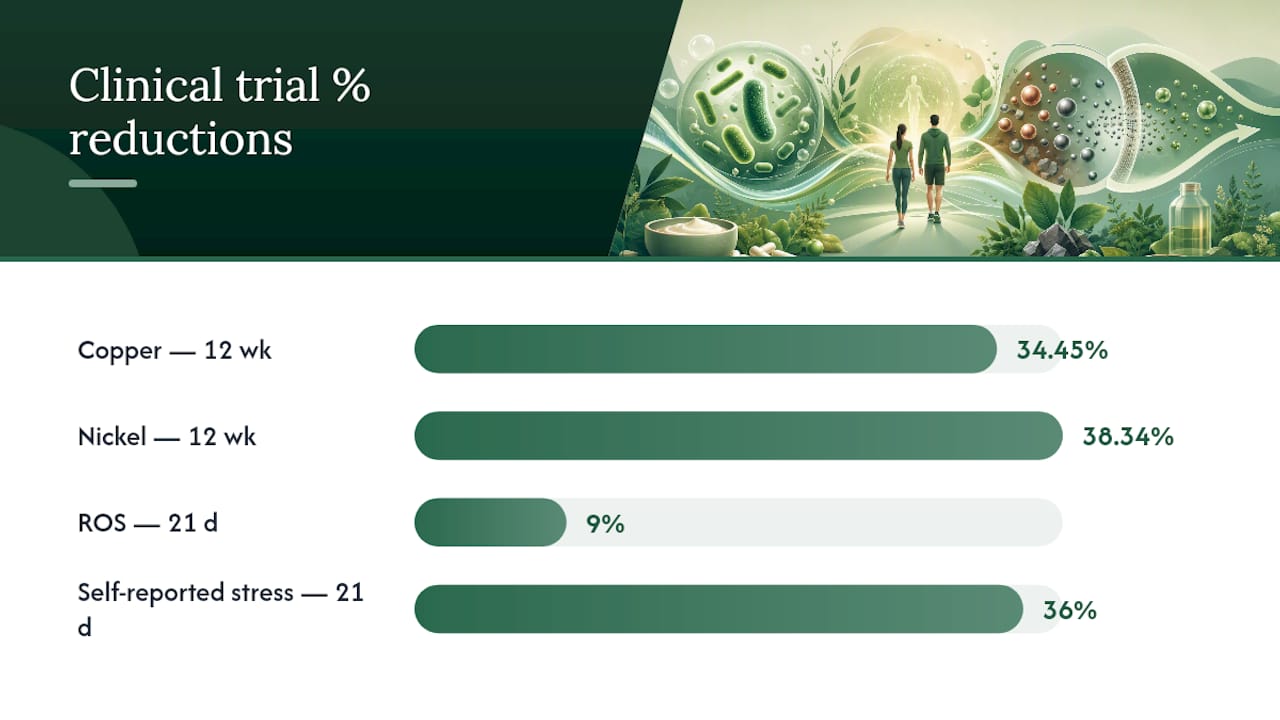
A separate line of research looked past heavy metals entirely and asked whether whole-food supplementation combined with probiotic-supportive ingredients could shift oxidative stress markers. A 21-day randomized, controlled, crossover trial found that participants on a whole-food program rich in prebiotic fibers and polyphenols reduced ROS-associated oxidative stress by 9% and self-reported stress by 36%, compared with diet alone. The same trial documented measurable shifts in microbiome composition over just three weeks, which is a useful data point for anyone wondering how fast gut changes can register on a lab test.
A few points worth flagging before you draw conclusions:
- Occupationally exposed groups (metal workers, for instance) tend to show clearer reductions than healthy general-population cohorts, likely because there is more toxin burden to clear in the first place.
- Sample sizes in most trials range from small pilot studies to a few hundred participants, which is solid for early clinical evidence but well short of the tens of thousands needed for population-wide certainty.
- Endpoints differ so widely across studies (blood levels, stool markers, oxidative stress, symptom scores) that comparing trials directly is often like comparing apples to a fruit salad.
- Most trials run 3 to 12 weeks, so long-term outcomes beyond three months remain thinly studied.
None of this undermines the case for probiotics supporting detox pathways. It does mean you should read individual product claims with a healthy dose of skepticism, because a strain shown effective in one trial for one type of exposure will not automatically replicate that result for a different toxin or population. The systematic review’s own conclusion is blunt about this: effect sizes are promising, but uniform clinical guidance is still a few years away.
Which Strains Actually Show Detox Activity
Strain identity is the single most overlooked variable in probiotic shopping, and it is the reason two products with the same “billion CFU” number on the label can perform completely differently in your gut.
Pediococcus acidilactici GR-1 carries the strongest human clinical backing for metal reduction, based on the 12-week industrial-worker trial described above. It is not a strain you will find in most grocery-store yogurt, so look for it specifically on supplement labels rather than assuming any probiotic yogurt delivers the same result.
Lactiplantibacillus plantarum strains show up repeatedly in preclinical models with strong colonic persistence. Research using SHIME (simulated gut) systems and ex vivo tissue models found that certain L. plantarum and L. crispatus strains demonstrated stronger heavy-metal removal specifically because they stayed metabolically active once they reached the colon, rather than losing potency in transit through stomach acid.
Lactobacillus reuteri and Lactobacillus brevis appear in mechanistic and animal literature for their EPS production, the sticky exopolysaccharide layer that increases metal-binding surface area. Strains that produce more EPS generally show higher binding capacity in lab conditions, though human trial data specific to these two strains is thinner than for GR-1.
Here is a simple way to think about strain selection:
- EPS-producing strains bind more metal ions per bacterial cell, useful for exposure-related detox support.
- Colon-persistent strains (certain L. plantarum, L. crispatus) matter more for sustained activity, since binding only helps if the bacteria survive to the site where toxins actually sit.
- Clinically tested strains like GR-1 carry the most direct human evidence, even if the research pool for any single strain remains smaller than you’d expect for something this widely discussed.
- Multi-strain formulations can combine binding capacity with barrier support, though this only works if each strain is specifically identified, not just lumped into a “proprietary blend.”
Fermented foods and encapsulated supplements serve different purposes here. Yogurt and kefir deliver live cultures in a food matrix, but the strain concentration is usually lower and less consistent than a formulated capsule, and most dairy products do not disclose which specific strain (GR-1 versus a generic Lactobacillus) they contain. Encapsulated supplements let you target a documented strain at a known CFU count, closer to trial conditions, which matters if you’re trying to replicate a specific study’s results rather than just “eating more probiotics.”
Pro Tip: Check the label for a strain designation with a letter-number code (like GR-1 or DSM 17938), not just a genus and species name. “Lactobacillus” alone tells you almost nothing about detox activity; the strain code is what ties a product to actual clinical data.
Quality signals worth checking before buying anything: a CFU count that falls within the range used in actual trials (often in the billions, not trillions, since more is not automatically better), third-party testing for potency and contamination, and a specific strain identifier on the label rather than a vague blend description.
Diet and Prebiotics That Amplify Probiotic Detox Effects
Probiotics do not work in isolation. The food you eat alongside them determines whether beneficial bacteria thrive or struggle, and this is where prebiotic fiber and polyphenol-rich foods earn their reputation as detox support rather than just “healthy eating” advice.
Prebiotic fibers feed the bacteria responsible for producing butyrate, a short-chain fatty acid that fuels colon cells and reinforces the gut barrier discussed earlier. Foods like apples, onions, garlic, and oats are reliable prebiotic sources, and polyphenol-rich foods like berries add a second layer of support by promoting beneficial taxa diversity. This combination, fiber plus polyphenols, is exactly what showed up in the 21-day whole-food trial mentioned earlier, where participants eating a program built around these ingredients saw a 9% drop in oxidative stress markers and a 36% drop in self-reported stress within three weeks, alongside documented shifts in microbiome composition.

That trial is a useful benchmark for anyone wondering whether diet changes alone can move the needle without supplementation. The answer, based on that data, is yes, at least for oxidative stress and short-term microbiome shifts, though it does not directly measure heavy-metal clearance the way the GR-1 trial did.
Practical pairings worth building into a weekly routine:
- Fermented foods (kefir, sauerkraut, kimchi) provide live cultures alongside prebiotic fiber in many cases, particularly traditional lacto-fermented vegetables.
- Cruciferous vegetables (broccoli, Brussels sprouts, cabbage) support liver-phase detoxification enzymes, complementing the gut-level work probiotics do.
- Whole-food fiber sources like oats, apples, and legumes feed butyrate-producing bacteria directly, reinforcing the barrier-protection mechanism covered earlier.
- Onion and garlic contain prebiotic compounds (inulin, fructooligosaccharides) that specifically support Bifidobacteria growth.
One insight from the research on gut health that gets overlooked: sustainable microbiome support tends to outperform short-term cleanses precisely because fiber and hydration create the conditions probiotics need to establish themselves, rather than flushing the system and starting from zero. A cleanse that empties your gut of everything, including the bacteria you’re trying to cultivate, works against the mechanisms this article has spent several sections explaining.
Whole-food supplement powders (green blends, fiber powders with added polyphenols) make sense as a bridge for people who genuinely cannot get consistent produce intake, but they should not replace real food long-term. Reach for a dietary approach first if you have the option, and treat concentrated supplements as backup for weeks when your actual diet falls short, not as a permanent substitute. For general microbiome and skin-barrier context, a look at how the skin biome connects to overall balance is a useful companion read, since gut and skin microbiome health tend to move together.
Safety, Realistic Limits, and When to See a Doctor
Probiotics are not a substitute for medical treatment when heavy metal toxicity is clinically diagnosed. That distinction needs to be stated plainly before anything else in this section, because supplement marketing routinely blurs it.
If you have lab-confirmed elevated blood lead, mercury, or arsenic levels, that is a medical situation requiring chelation therapy or other physician-directed treatment, not a probiotic regimen. The research covered in this guide, including the GR-1 trial’s copper and nickel reductions, involves modest reductions in already-present levels among people with chronic low-level exposure, not acute poisoning cases. Probiotics support the body’s existing detox pathways. They do not replace emergency or clinical intervention.
A few practical safety points to keep in mind:
- Antibiotic timing matters. If you’re on a course of antibiotics, separate your probiotic dose by at least two to three hours, since antibiotics will kill much of the bacterial population you’re trying to introduce if taken simultaneously.
- Immunocompromised individuals need physician guidance first. People who are hospitalized, undergoing chemotherapy, or managing conditions like severe IBD should talk to a doctor before starting any new probiotic regimen, since there is a small but documented risk of bacterial translocation in compromised immune states.
- Expect mild, transient side effects early on. Gas and bloating in the first week or two are common as your gut microbiome adjusts, and they typically resolve without intervention.
- Watch for red flags. Persistent fever, worsening abdominal pain, or symptoms that intensify rather than settle after two weeks warrant a call to your physician, not a “wait and see” approach.
Timelines matter too, and this is where realistic expectations separate legitimate use from wishful thinking. In the clinical trials referenced throughout this guide, measurable biomarker changes, blood metal reductions, oxidative stress shifts, generally showed up between 8 and 12 weeks of consistent use. The 21-day whole-food trial found oxidative stress improvements within three weeks, but that involved a structured dietary intervention, not probiotics alone. Symptom-level changes (digestion, bloating, energy) can vary person to person and sometimes show up faster than lab-measurable biomarkers, though that subjective improvement should not be mistaken for a clinical detox result.
Pro Tip: If you’re taking a prescription medication with a narrow therapeutic window, check with your pharmacist or physician about probiotic timing specifically, not just general food interactions. Some strains can subtly affect drug absorption timing even without a direct interaction warning.
A Practical Protocol for Evidence-Based Probiotic Detox Support
Turning all of this research into something you can actually follow requires a structure, not just a list of good intentions. Here is a realistic 4 to 12 week framework built directly from the trial designs referenced throughout this guide.
- Weeks 1 to 2: Strain selection and baseline. Choose a formulation with a clinically documented strain (GR-1 for metal-exposure contexts, or a multi-strain product with L. plantarum for general gut barrier support). Note your starting symptoms: digestion regularity, bloating frequency, energy levels, so you have something to compare against later.
- Weeks 3 to 4: Add dietary support. Layer in prebiotic fiber (apples, oats, onion, garlic) and polyphenol-rich foods (berries, cruciferous vegetables) alongside your probiotic dose, following the same fiber-plus-polyphenol pattern that produced measurable oxidative stress reductions in the 21-day trial referenced earlier.
- Weeks 5 to 8: Monitor and adjust. Track stool consistency, energy, and any digestive symptoms weekly. This is roughly the window where the GR-1 trial began showing measurable blood metal changes, so it is a reasonable point to expect early signals if you’re using probiotics for exposure-related support.
- Weeks 9 to 12: Reassess with labs if clinically indicated. If you have a specific concern about occupational or environmental exposure, this is the point where a basic blood metal panel becomes worth discussing with your physician, since the 12-week mark aligns with when the clinical trial data actually measured outcomes.
Data point: The GR-1 trial ran a full 12 weeks before researchers measured the significant copper and nickel reductions, which tells you something important: this is not a two-week fix, and anyone promising rapid metal clearance in days is not working from the same evidence base.
Know when to escalate beyond a self-directed protocol. If you work in an industry with documented heavy-metal exposure (mining, battery manufacturing, certain manufacturing trades), or if a blood test has already confirmed elevated levels, loop in a physician before relying on diet and probiotics alone. This is a case for medical detoxification protocols working alongside microbiome support, not instead of it.
Population-specific caveats matter here too. Pregnant individuals should discuss any new supplement, probiotic included, with their OB-GYN before starting, since strain-specific safety data in pregnancy is limited. Children need pediatrician-guided dosing rather than adult trial-based amounts scaled down casually. And anyone with a severe, acute exposure event (not chronic low-level exposure) needs emergency medical care first, full stop, with probiotics as a possible supportive measure during recovery, never as the primary intervention.
Why We Favor Sustainable Gut Support Over Aggressive Cleanses
The detox industry has spent years selling urgency: juice cleanses, seven-day resets, teas that promise to flush your system by Friday. The research tells a different story, and it is the one we build around at Pureblue. Biosorption, enzymatic transformation, and barrier reinforcement take weeks, not days, and they depend on a stable microbiome, not one that gets emptied out and restarted every month.
That is why our approach centers on consistent, organic formulation rather than one-time intensity. Every product we make uses 100% organic ingredients with no artificial fillers, and every batch goes through third-party testing for purity and potency before it reaches you. Our facility is FDA-registered, and the formulation work behind Quantum Vitality reflects the same evidence-first thinking this guide has walked through: support the mechanisms, respect the timelines, skip the shortcuts.
We say this plainly: supplements, including ours, work best as an adjunct to a real diet and real clinical care, not a replacement for either. If you have a diagnosed exposure issue or an underlying health condition, talk to a doctor first. Then consider how daily, sustainable support fits into the picture.
— Organic
How Quantum Vitality Fits an Evidence-Based Detox Routine
If you’ve read this far, you already know the honest version of this story: probiotics support detox through slow, cumulative mechanisms, not overnight flushes, and the diet you pair them with matters as much as the strain you pick. That is exactly the gap Quantum Vitality NAD+ Booster+ Detox was built to fill.
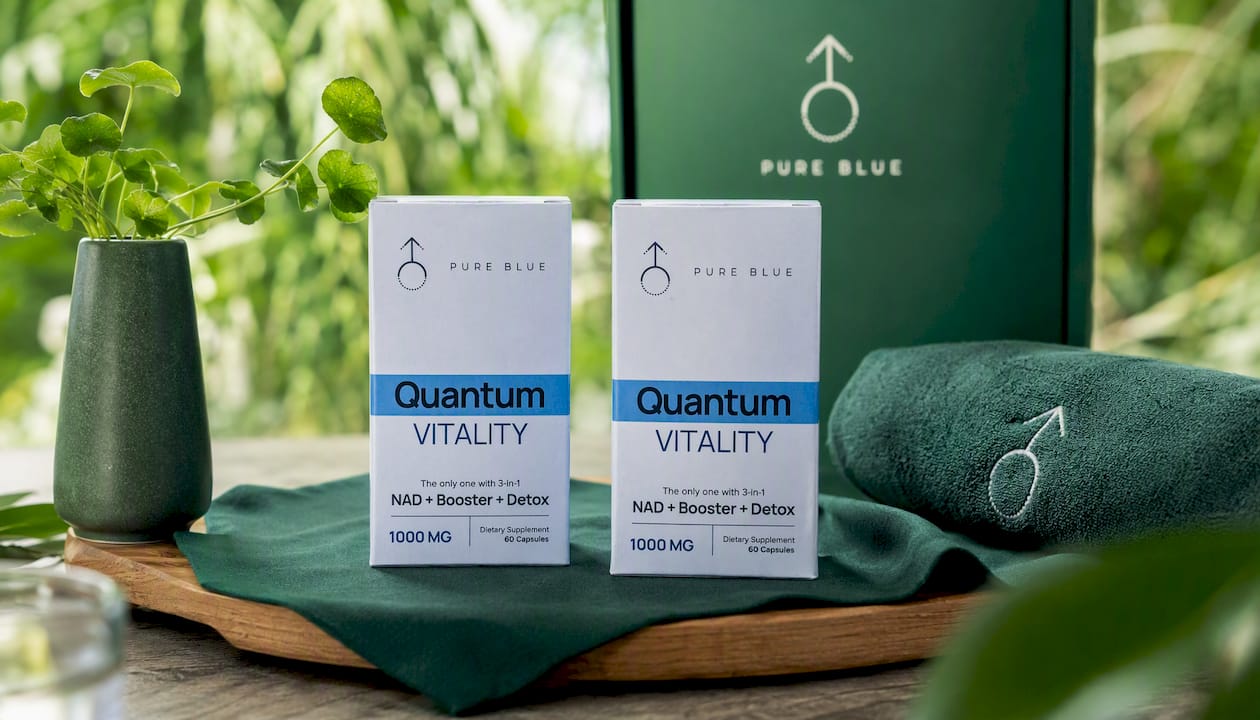
It is not positioned as a substitute for the dietary and probiotic strategies covered throughout this guide. It is designed to complement them, supporting the same cellular energy and gut-supportive pathways your microbiome is already working on, without the drama of a crash cleanse. If you’re dealing with confirmed heavy-metal exposure or an existing medical condition, talk to your physician before adding any new supplement, including this one.
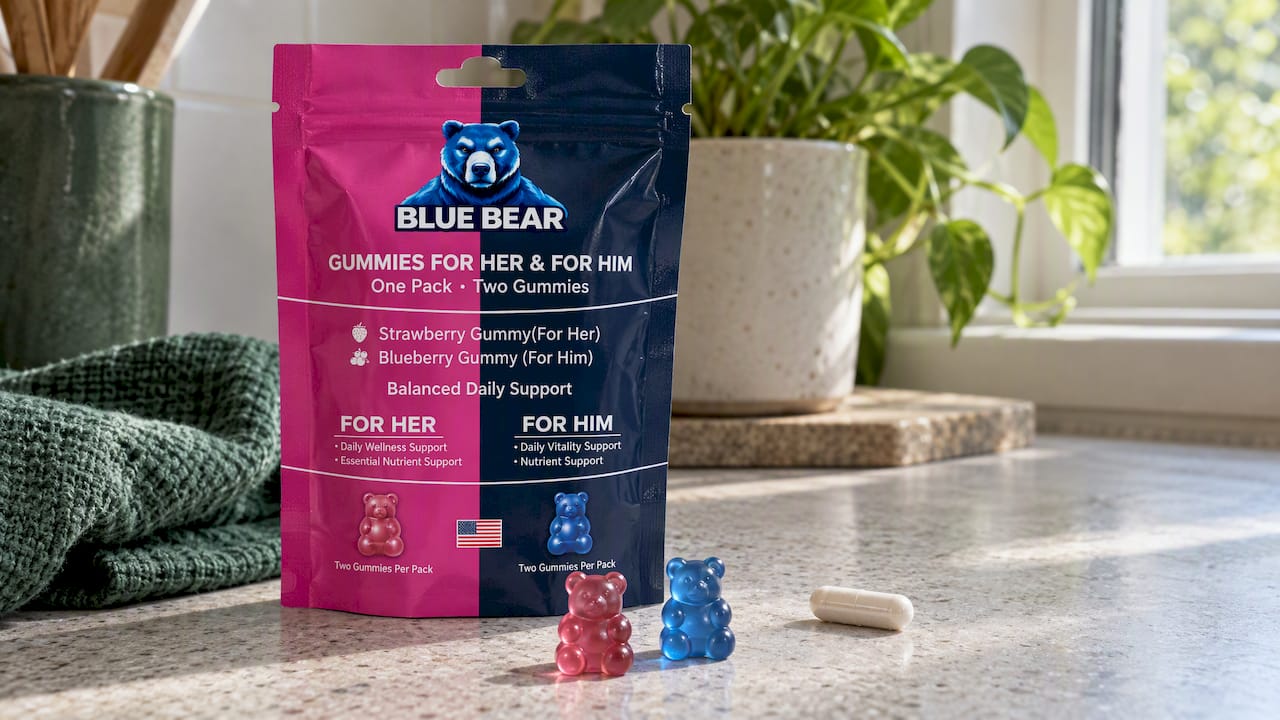
Ready to see how it fits your routine? Check out Quantum Vitality directly, or explore the free trial offer if you want to test it before committing. For bundles and shipping protection options, the full collection page lays out current pricing, including Quantum Vitality at $6,999 one-time. Pure Blue also carries gummies and wellness lines for him and WAP formulations for her, if you’re building out a broader daily routine.
Sources
The clinical and mechanistic claims in this guide draw from peer-reviewed trials and reviews, listed here for readers who want to dig into the primary research themselves.
- The Effect of the Combination of Probiotics and Heavy Metals From Various Aspects in Humans: A Systematic Review of Clinical Trial Studies
- Metabolic reset purification program improves antioxidant balance and gut microbiome in individuals transitioning to a healthier diet
- Probiotics as a biological detoxification tool of food chemical contamination: A review
FAQ
How long does it take for probiotics to clean you out?
Probiotics do not work like a laxative or a rapid “clean out.” In the trials behind this guide, measurable changes in blood metal levels showed up around 12 weeks of consistent use, while oxidative stress markers in a separate whole-food trial improved within three weeks. Expect gradual, cumulative change rather than a fast flush.
Do probiotics flush out your gut?
No. Probiotics work through binding, enzymatic transformation, and barrier reinforcement rather than a flushing action, and aggressive cleanses that empty the gut actually work against the bacterial colonization these mechanisms depend on. Sustainable, ongoing support tends to outperform one-time cleanses for gut health.
Do I need probiotics with nitrofurantoin or other antibiotics?
Probiotics are not required alongside antibiotics like nitrofurantoin, but many people take them to help offset disruption to gut bacteria during treatment. Space the doses two to three hours apart so the antibiotic does not immediately kill the probiotic strain, and check with your pharmacist about your specific medication.
Should I take probiotics with minocycline?
The same spacing principle applies with minocycline as with other antibiotics: take probiotics a few hours apart from your dose rather than at the same time. This is a general precaution for antibiotic and probiotic combinations rather than a documented interaction specific to minocycline, so confirm timing with your prescribing physician.
Can Quantum Vitality replace medical treatment for heavy metal exposure?
No. Quantum Vitality is formulated as a daily adjunct supporting cellular energy and detox-related pathways, not a treatment for diagnosed heavy metal toxicity. Anyone with confirmed elevated exposure levels needs physician-directed care first.