Cart
0

The fastest, best-supported way to fix energy for women over 40 is to stack four things at once: targeted supplementation (creatine, protein, vitamin D, B12 as needed), resistance training two to four times a week, and a basic lab panel to rule out treatable causes. Fatigue after 40 usually traces back to mitochondrial decline, muscle loss, hormonal shifts, or a medication side effect, not laziness or aging itself.
TL;DR:
- Supplementation should target creatine, vitamin D, B12, and iron based on lab tests, as deficiencies common in women over 40 directly impact energy levels.
- Resistance training two to four times weekly with compound movements and gradual progressive overload is essential for rebuilding mitochondrial function and muscle mass.
- Maintaining consistent protein intake at every meal and pairing carbs with protein, fiber, and fat helps stabilize blood sugar and prevents energy crashes.
- Addressing sleep hygiene, medication adjustments, hormonal fluctuations, and testing labs like ferritin, thyroid, and cortisol are critical for managing and identifying treatable causes of fatigue.
- Choosing quality supplements with third-party testing, starting one at a time, and avoiding unnecessary or unverified products reduces risks and maximizes health benefits.
Table of Contents
- Fixing Energy for Women Over 40: The Supplements Worth Your Money
- Nutrition Patterns That Keep Energy Steady All Day
- The Resistance Training Plan That Rebuilds Your Energy Base
- Sleep, Stress, Medications, and the Labs Worth Checking
- How to Choose a Supplement Without Wasting Money or Risking Your Health
- Where Pureblue Fits Into the Mitochondrial Support Picture
- What Most Energy Advice Gets Backwards
- Try Quantum Vitality and See the Difference in Weeks, Not Months
- Sources
- FAQ
Fixing Energy for Women Over 40: The Supplements Worth Your Money
Stanford Lifestyle Medicine’s supplement guidance for women over 40 frames supplementation by life stage rather than as one-size-fits-all, and that distinction matters more than most wellness content admits. What helps a 42-year-old in early perimenopause differs from what helps a 55-year-old postmenopausal woman managing bone density and blood sugar. Here’s what actually has evidence behind it.
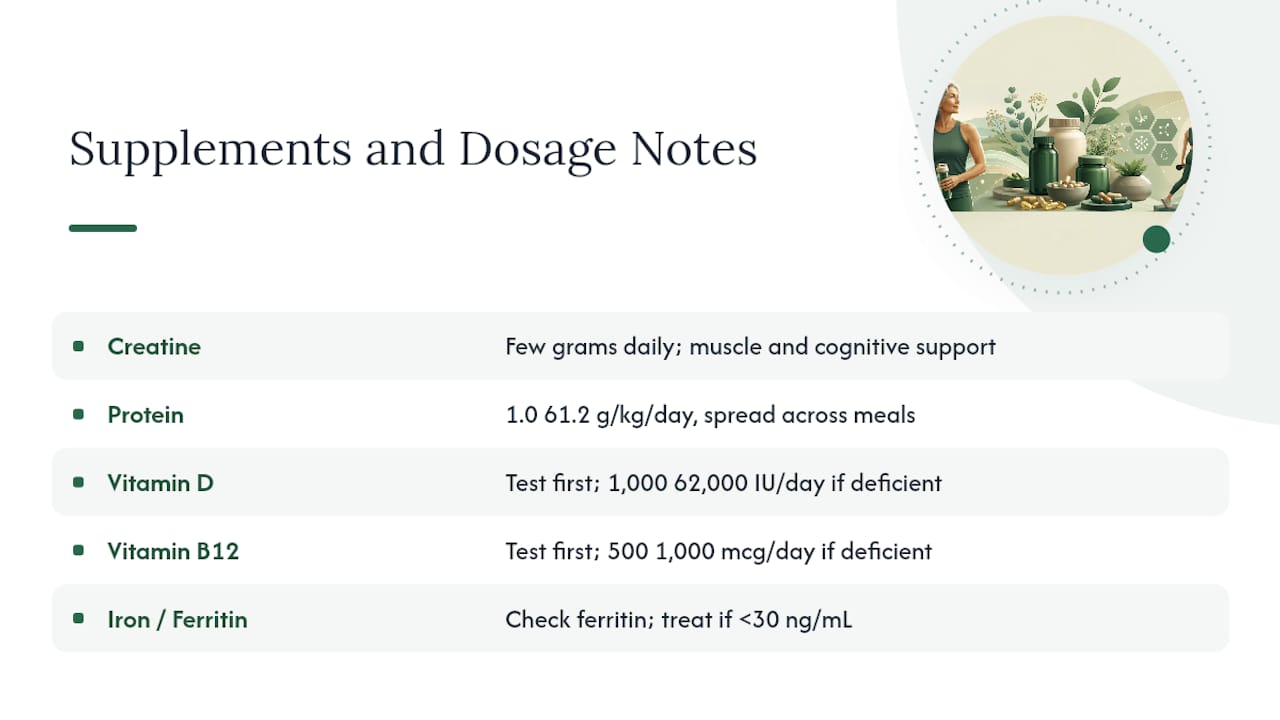
Creatine. Once thought of as a bodybuilder’s supplement, creatine monohydrate now shows benefits for muscle retention and even cognitive energy in women, particularly during perimenopause when natural creatine synthesis can dip. A typical dose runs a few grams daily. It’s one of the most studied supplements on the market, and side effects are minimal for most healthy adults, though anyone with kidney disease should check with a clinician first.
Protein and protein-timing strategies. This isn’t a pill, but it belongs on the list because protein intake is the single biggest lever for maintaining the muscle mass that drives daily energy. Aim for roughly 1.0 to 1.2 grams per kilogram of body weight daily, spread across meals rather than loaded at dinner.
Vitamin D. Deficiency is common and directly tied to low energy and flat mood in multiple clinical reviews. Get your level tested before dosing. Most women who are deficient need 1,000 to 2,000 IU daily, though some clinicians prescribe higher therapeutic doses short term. Don’t guess on this one.
Vitamin B12. Absorption drops with age and with common medications like metformin and long-term acid reducers. Low B12 mimics chronic fatigue almost perfectly. Test first, then supplement, typically 500 to 1,000 mcg daily if you’re deficient.
Iron and ferritin. Heavy perimenopausal bleeding can quietly drain iron stores for years before anyone thinks to check. Never supplement iron blindly. Too much causes constipation and, at high doses, organ stress. Ferritin below 30 ng/mL is a common threshold clinicians use to justify treatment.
Magnesium. Supports sleep quality and muscle recovery, both of which feed directly into next-day energy. Glycinate or citrate forms (200 to 400 mg) are generally better tolerated than oxide forms.
NAD+ support. NAD+ levels decline measurably with age and play a direct role in how efficiently mitochondria generate cellular energy. This is still an emerging area of research rather than a settled one, but the biological logic is sound: less NAD+ generally means less efficient energy production at the cellular level.
Adaptogens like rhodiola and ashwagandha show modest evidence for stress resilience and perceived fatigue, though study quality varies widely and effects tend to be subtle rather than dramatic.
By the numbers: Perimenopause symptoms, including persistent fatigue, affect a substantial share of women in their 40s, and Stanford’s clinical guidance specifically calls out this life stage as the point where supplement needs shift.
Nutrition Patterns That Keep Energy Steady All Day
Most energy crashes aren’t mysterious. They’re blood sugar spikes followed by blood sugar crashes, and the fix is boring but effective.
- Hit your protein target every meal, not just dinner. Roughly 25 to 35 grams per meal keeps blood sugar steadier than one big protein-heavy dinner and two carb-heavy meals.
- Pair carbs with protein, fiber, and fat every time. An apple alone spikes blood sugar; an apple with almond butter does not. This single habit prevents more 3 p.m. crashes than any supplement.
- Skip high-glycemic snacks eaten alone, meaning white bread, juice, and candy on an empty stomach. They cause the sharpest energy peaks and drops.
- Fill half your plate with produce. Johns Hopkins specifically recommends raw fruits and vegetables covering at least half of each meal for the vitamins, antioxidants, and hydration they deliver.
- Drink water before you reach for coffee. Mild dehydration mimics fatigue almost exactly, and most women underestimate how much fluid they actually need.
Quick meal ideas that follow these rules: Greek yogurt with berries and walnuts for breakfast, a grilled chicken salad with olive oil dressing for lunch, and salmon with roasted vegetables for dinner. None of this requires a nutritionist. It requires consistency.
The Resistance Training Plan That Rebuilds Your Energy Base
Muscle is where mitochondria live, and mitochondria are where cellular energy gets made. That’s the entire case for strength training as a top priority for women over 40, not just for aesthetics or bone density, but for the actual machinery that produces daily energy.
A practical plan looks like this:
- Two to four sessions weekly, 30 to 45 minutes each, no more required.
- Compound movements first: squats, deadlifts or hip hinges, rows, and push variations (push-ups or presses) work the most muscle per session.
- 8 to 12 reps per set, 2 to 3 sets, resting 60 to 90 seconds between sets.
- Progress by adding weight or reps every one to two weeks, not every session. Slow, steady progression beats sporadic intensity.
- Add 2 to 3 days of walking or light cardio on non-lifting days for recovery and cardiovascular health.
Pro Tip: If you only have 20 minutes, do one compound lift (like goblet squats) for three sets and one upper-body push or pull for three sets. Two exercises done consistently beat a perfect six-exercise routine done twice a month.
Sleep, Stress, Medications, and the Labs Worth Checking
Midlife fatigue is rarely a single-cause problem. It’s usually a combination of reduced mitochondrial efficiency, muscle loss, hormonal fluctuation, sleep disruption, and sometimes a medication quietly working against you, and treating it as one interconnected transition gets better results than chasing one fix at a time.
Start with sleep basics: get morning sunlight within 30 minutes of waking, keep a consistent wake time even on weekends, and cut caffeine after noon since its half-life runs longer than most people assume.
Ask your clinician about a medication review every three to six months. Johns Hopkins notes that adjusting or lowering a dose sometimes resolves fatigue faster than any supplement will, particularly with blood pressure medications, antihistamines, and some antidepressants.
Request this lab panel if fatigue has lasted more than a few weeks:
- Ferritin and iron studies
- Vitamin D
- Vitamin B12
- Full thyroid panel (TSH, free T4, and ideally free T3)
- Fasting glucose and insulin
- CBC and a basic metabolic panel
- Cortisol, when your clinician suspects an adrenal or stress-axis issue
Multiple clinical reviews point to these markers as the first place to look, because a meaningful share of midlife fatigue cases turn out to be at least partly treatable once identified.
How to Choose a Supplement Without Wasting Money or Risking Your Health
Supplements aren’t regulated the way prescription drugs are, which means the burden of quality control falls on you. A few rules cut through most of the noise.
- Look for third-party testing seals (NSF Certified for Sport, USP, or Informed Choice) rather than trusting a label alone.
- Avoid proprietary blends that hide exact milligram doses behind a trademarked name. If you can’t see the dose, you can’t judge the dose.
- Check for manufacturing transparency, including whether the product comes from an FDA-registered facility, which signals baseline quality controls even though the FDA doesn’t approve supplements the way it approves drugs.
- Start one supplement at a time and track how you feel over two to four weeks before adding another.
- Stop immediately if you notice adverse effects and mention every supplement to your clinician, especially if you take blood thinners, thyroid medication, or blood pressure drugs.
- Retest labs before increasing any dose tied to a deficiency, rather than assuming more is better.
If your fatigue is severe, sudden, or paired with other symptoms like unexplained weight change or chest pain, see a clinician before trying anything from a shelf. Understanding when a supplement is actually necessary versus when food and sleep fixes would work just as well saves both money and disappointment.
Where Pureblue Fits Into the Mitochondrial Support Picture
The NAD+ decline discussed earlier isn’t abstract. It’s a specific, measurable shift in how efficiently your cells make energy, and it’s part of why Pureblue built its flagship formula around NAD+ support rather than another caffeine-and-herbs stack.
- Quantum Vitality is a 3-in-1 NAD+ booster and detox formula made with 100% organic ingredients and no artificial fillers.
- Every batch is third-party tested for purity and potency, addressing the exact transparency gap that makes so many supplements a gamble.
- Manufacturing happens in an FDA-registered facility, one of the checklist items covered above for evaluating any supplement’s baseline quality.
- The formula has received high customer ratings, reflecting positive feedback from users.
None of this replaces the lab work or the resistance training discussed above. It’s a targeted piece of a larger picture, aimed squarely at the mitochondrial support angle that plain multivitamins don’t touch.
What Most Energy Advice Gets Backwards
Most articles on this topic lead with supplements and treat lifestyle changes as an afterthought. That ordering is wrong. The research points the other way: muscle mass and mitochondrial capacity are the foundation, and supplements work best as an accelerant on top of that foundation, not a substitute for it.
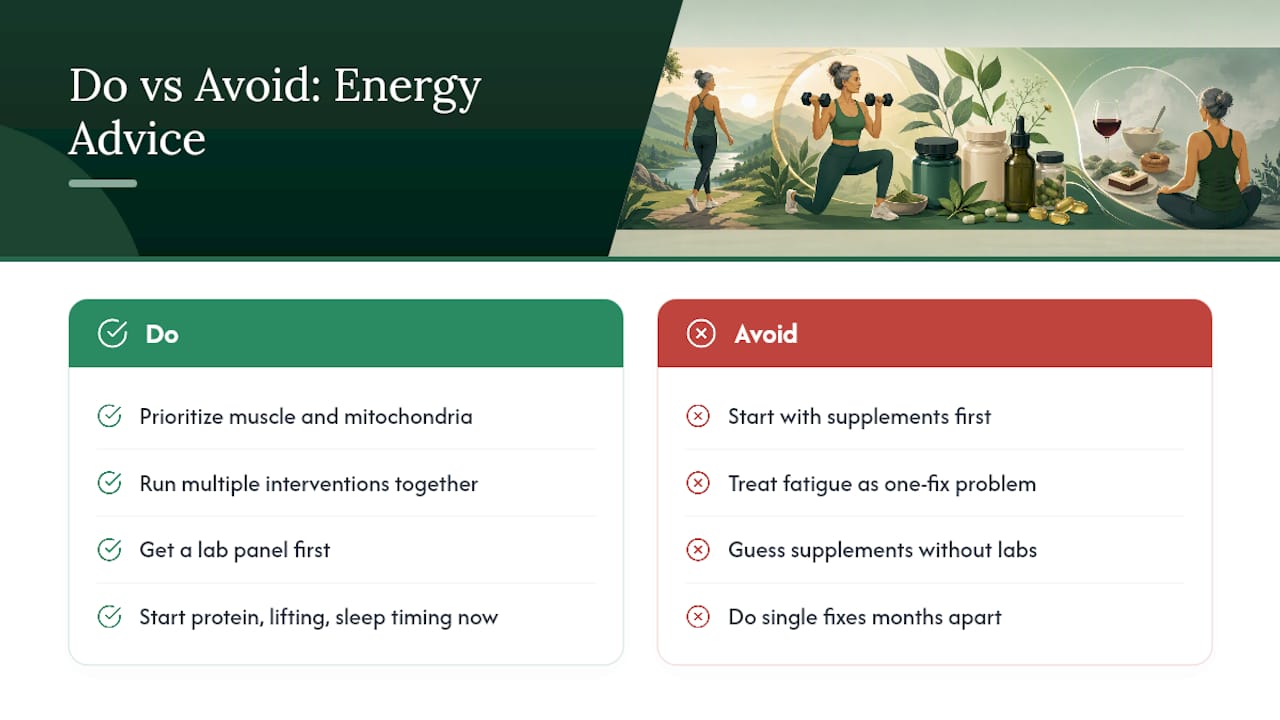
The bigger failure in conventional advice is treating midlife fatigue as one problem with one fix, usually “just take iron” or “just sleep more.” It’s rarely that simple. A woman with low ferritin, declining muscle mass, and a blood-sugar-crashing lunch routine needs three interventions running simultaneously, not one at a time over six months.
If you do only one thing this month, get the lab panel. Guessing which supplement to try without knowing your ferritin or vitamin D level wastes money and sometimes delays finding the actual cause. Everything else, the protein, the lifting, the sleep timing, can start today regardless of what the labs show.
— Organic
Try Quantum Vitality and See the Difference in Weeks, Not Months
If the mitochondrial and nutrient gaps covered above sound familiar, closing them doesn’t require overhauling your entire routine overnight. Quantum Vitality was built specifically around the NAD+ support, organic sourcing, and third-party testing standards this article just walked through, so you’re not choosing between convenience and quality.

Before starting any new supplement, review your recent labs or ask your clinician for the panel outlined above, particularly ferritin, vitamin D, and B12, so you know what you’re actually correcting. Once you’ve done that groundwork, you can try Quantum Vitality NAD+ Booster+ Detox as your mitochondrial support layer, or start with the free trial offer if you want to test how it fits your routine first. Curious about the full product lineup? Browse the Pure Blue catalog to see what else supports the plan above.
Sources
- Age-Defying Energy Levels | Johns Hopkins Medicine
- Top 6 Supplements for Women 40+ — Stanford Lifestyle Medicine
- Five healthy habits for longevity in your 40s and 50s — Stanford Medicine
- PubMed indexed clinical review (example supporting lab checks)
FAQ
What Can a 40-Year-Old Woman Take for Energy?
The best-supported options are creatine (3 to 5 grams daily), adequate protein, and correcting any deficiency in vitamin D, B12, or iron found through lab testing, ideally alongside resistance training rather than instead of it.
How Do You Increase Energy Levels After 40?
Prioritize resistance training two to four times weekly, hit a protein target of roughly 1.0 to 1.2 grams per kilogram daily, stabilize blood sugar with balanced meals, and get a lab panel to rule out low ferritin, vitamin D, B12, or thyroid issues.
What Is the Best Vitamin for Tiredness and Fatigue?
There’s no single best vitamin. Vitamin D and B12 are the two most commonly linked to fatigue when deficient, but testing before supplementing matters more than picking a vitamin at random.
Why Do I Feel Less Energy in My 40s?
Energy typically drops due to a combination of factors: mitochondrial efficiency declines with age, muscle mass shrinks without resistance training, hormonal shifts from perimenopause affect sleep and metabolism, and certain medications can quietly contribute to fatigue.