Cart
0
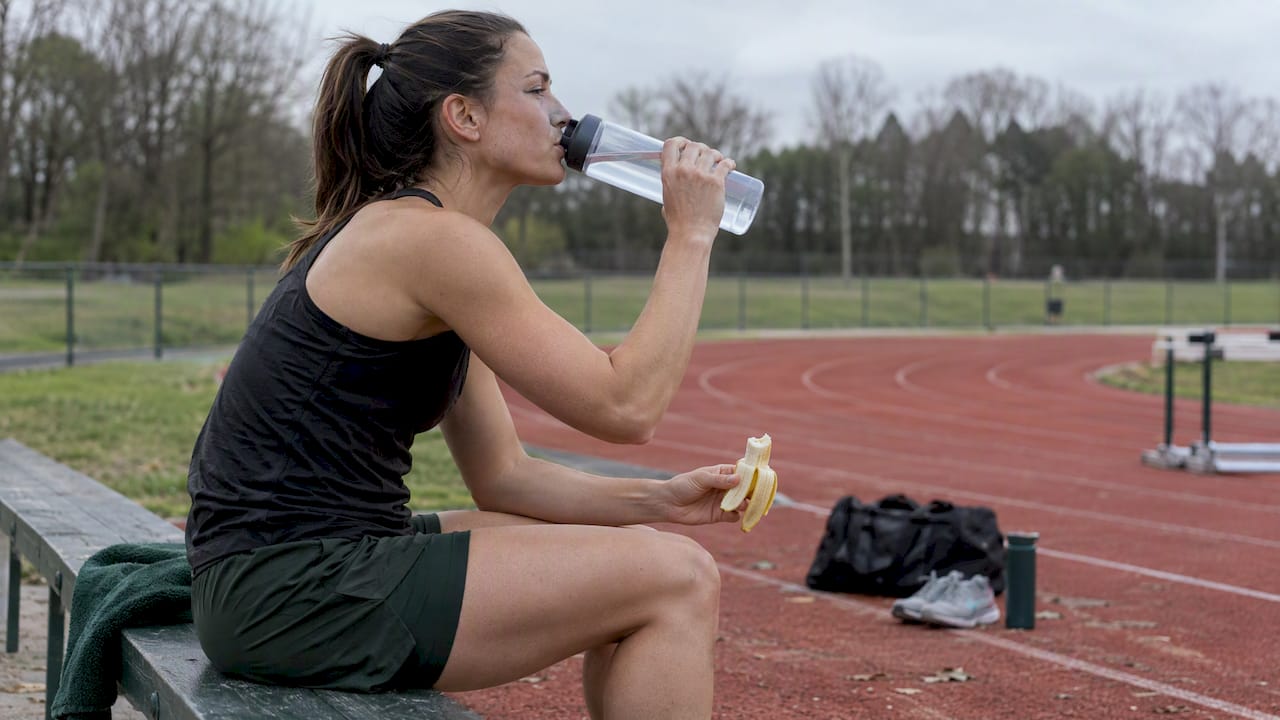
Most athletes who search for a detox are really asking one of three things: how to recover better, how to feel less sluggish, or whether a cleanse can undo a rough few weeks of eating. The evidence says a commercial detox or cleanse is not the answer to any of them. Your liver, kidneys, lungs and colon already do the work around the clock. What helps is food, fluids, sleep and smart training load. And if you compete in a tested sport, the bigger issue is not whether a detox product works. It is what might be in it.
This guide separates what the science supports from what the marketing implies, then shows how to read a label if you still want a supplement in your routine.
TL;DR
- There is no clinical definition of a “detox” or “cleanse,” and no good evidence that commercial detox products remove toxins. USADA points to the liver, kidneys, lungs and colon as the real system.
- Restrictive cleanses can cut calories, protein and electrolytes, which works against training and recovery.
- If you are subject to drug testing, you are responsible for everything in your body. Unregulated detox products carry contamination risk.
- A better “reset” is fiber, whole foods, consistent hydration, sleep and easy training days.
- If you buy a supplement, verify the formula on the current listing and package, and look for batch-level third-party certification aimed at sport.
Table of Contents
- What “detox” actually means for an athlete
- Why cleanses work against training
- The risk most athletes miss: strict liability
- What actually supports your body between hard sessions
- Can you train while “detoxing”?
- Perspective: how we think about this at Pure Blue
- Reading a detox or vitality label like an athlete
- Where our catalog fits, and where it does not
- Related questions about detox and recovery
- FAQ
- Sources
What “detox” actually means for an athlete
The word sounds technical but is mostly a marketing term. USADA notes that the commercial supplement industry leans on it to sell products, while your body clears waste continuously through the liver, kidneys, lungs and colon. The Cleveland Clinic likewise reports that there is little research proving cleanses deliver the benefits claimed, citing the National Center for Complementary and Integrative Health.
There is one more careful use of the word. Sports nutrition researchers describe detoxification and biotransformation for athletes as the body’s own processing pathways, which heavy training can stress. Their emphasis is on supporting those pathways with micronutrients and sound metabolic management, not with extreme fasting or elimination diets. That is a different idea from a three-day juice cleanse, even though the vocabulary overlaps.
If you want a plain-language breakdown of the terms, our article on what actually differs between a cleanse and a detox covers it.
Why cleanses work against training
Training asks for fuel, protein, fluid and electrolytes. Most cleanses remove some or all of them. The Human Performance Resource Center, a U.S. military performance resource, lists the risks of cleanses and detox diets as nutrient deficiencies, severe calorie restriction with fatigue and impaired concentration, and gastrointestinal distress. For an athlete that can mean poor workouts, muscle loss and slower recovery.
Here is how that tends to show up in practice:
| What the cleanse does | What an athlete may notice |
|---|---|
| Cuts calories sharply | Low energy, flat sessions, poor focus |
| Cuts protein and fat | Slower recovery, difficulty holding muscle |
| Uses laxatives or diuretics | Cramping, dehydration, dizziness |
| Replaces meals with liquids | Blood sugar swings, hunger, GI upset |
The laxative and diuretic point deserves its own warning. A 2026 mini-review of diet and detox teas describes the evidence for the claims as unclear, and ingredients such as senna can cause fluid and electrolyte losses. Imbalances in potassium or sodium can affect performance and, in serious cases, the heart. If you have had fainting, palpitations or persistent cramping after any cleanse or detox tea, stop it and see a physician or sports medicine doctor.
If fatigue, nutrient gaps or lingering training problems are what pushed you toward a cleanse, a sports dietitian or a physician can look at the actual cause. Blood work and a food log tell you far more than a detox kit does.
The risk most athletes miss: strict liability
If you compete in a drug-tested sport, this is the section that matters most.
Under anti-doping rules, you are responsible for every substance in your system. USADA’s supplement guide explains that supplements are not reviewed for accuracy before they reach the shelf, so a product can contain something the label does not list. USADA’s page on supplement safety issues warns that supplements can contain prohibited substances that cause a positive test, or ingredients that cause health problems.
That makes “detox” products a poor bet for tested athletes. Blends that promise to flush, burn or boost are exactly the category where a hidden stimulant or other prohibited substance does the most damage. An inadvertent positive can still mean a suspension.

If you want to understand how testing works from the other side, this guide to preventing test adulteration explains how testing products are handled and why sample integrity matters.
How to lower the risk if you still use supplements
- Ask whether you need one at all. USADA’s guide says many athletes overestimate the benefit of supplements. Food covers most needs.
- Look for certification aimed at sport. NSF’s Certified for Sport program certifies dietary supplements as free from substances banned by major sporting organizations. Check the certified product database for the exact product, not just the brand.
- Match the package to the listing. Formulas change. Confirm ingredients, serving size and any certification on the bottle in your hand.
- Talk to your team physician or sports dietitian first. Governing bodies and leagues have their own rules, and they differ.
- Skip anything that lists a proprietary blend without amounts, or any product that promises dramatic results.
What actually supports your body between hard sessions
The good news from the same experts: the useful version of a “reset” is boring and effective.
Eat for density, not restriction
USADA recommends replacing restrictive detoxes with a balanced, nutrient-dense eating plan and more fiber, in the range of 25 to 38 grams a day, plus consistent hydration. The same USADA article gives examples: beans at about 15 grams per cup, raspberries about 8 grams per cup, chia seeds about 10 grams per two tablespoons, and broccoli about 5 grams per cup.
A simple reset day for an athlete might look like this:
- Breakfast: oats with raspberries, chia seeds and Greek yogurt or a protein source you tolerate
- Lunch: bean and vegetable bowl with rice and a lean protein
- Snack: fruit, nuts or a sandwich around training
- Dinner: salmon or tofu, roasted broccoli, potatoes or other carbohydrate
Nothing there is exotic. It simply restores protein, carbohydrate, fiber and micronutrients that a busy or indulgent stretch may have crowded out.
Hydrate on a schedule
Fluid and sodium matter more when you sweat a lot. A sports-minded read on electrolytes versus sports drinks for runners is a useful starting point for deciding what your sessions actually call for. Short, easy workouts usually need water. Long or hot sessions may call for sodium.
Manage metabolic stress with fuel, not flushes
Exercise raises ammonia in muscle. A review of muscle amino acid and ammonia metabolism looks at how that happens during exercise. The practical takeaways for most athletes are the unglamorous ones: adequate carbohydrate around hard sessions so protein is not burned for fuel, enough fluid and a quality diet. The review does not support a detox product as the fix.
Sleep and easy days
Another result in the top search listings, on exercising during a cleanse, suggests low-to-moderate movement such as walking, yoga and mobility work if you are cutting back. For athletes, that translates into planned easy days. Recovery is where adaptation happens, and a cleanse does not replace it.
Can you train while “detoxing”?
It depends on what you mean. Eating more vegetables and cutting back alcohol for a week is fine alongside normal training. A juice-only or laxative-based cleanse is not, because the combination of low fuel and fluid loss makes hard sessions less productive and potentially unsafe. If you are doing anything restrictive, keep the work easy, and stop if you feel faint, nauseated or notice a racing heart.
Perspective: how we think about this at Pure Blue
We sell supplements, so you should know where we stand. We do not think a supplement can stand in for food, sleep or training, and we do not think a bottle can “cleanse” you. The word “detox” appears in one of our product names, and we would rather explain it plainly than let it do the selling.
What we do try to do is publish label-level information. That means separating the research on an ingredient from any claim about a finished product, because evidence in one population or at one dose does not carry over automatically to a different formula. It also means telling you to confirm the formula on the current listing and the package, since that is the document that counts.

For tested athletes, our advice is more conservative still. Do not take anything with an unclear label, ask your governing body or team physician first, and look for batch-level certification for sport. We do not make claims about testing, certification or clinical effects on this page that we cannot back with current documentation, and you should be wary of any seller that does.
If you are a recreational athlete or an active adult who wants to compare products, we have written about supplements for active adults, with the evidence and labels, and about charcoal for detox, including risks and label checks.
— Pure Blue
Reading a detox or vitality label like an athlete
Whether you shop with us or anywhere else, run every label through this list.
| Check | What to look for |
|---|---|
| Full ingredient list | Every ingredient named, with amounts, and no undisclosed blend |
| Laxatives and diuretics | Senna, burdock root, dandelion and similar “flush” ingredients, which can drive fluid and electrolyte losses |
| Stimulants | Caffeine amounts, plus any herb you do not recognize |
| Serving size | Matches what the listing says, and what you plan to take |
| Certification | Named program, with the exact product findable in its database |
| Claims | Beware promises to cleanse, flush or remove toxins, since no clinical definition backs them |
| Sport status | If you are tested, check your sport’s rules before taking it |
Two more habits help. First, keep the packaging and lot number of anything you take while in a testing pool. Second, introduce one new product at a time, so that if something disagrees with you, you know what it was.
Where our catalog fits, and where it does not
We carry adult wellness products, including our Quantum Vitality NAD+ Booster+ Detox, listed at $69.99 as a one-time purchase, and gummies for men and for women and men together. Check the live product page for the current formula, serving details and any certification information before you decide.
A few honest points on fit:
- It is a supplement, not a cleanse. We do not present any product as removing toxins, treating a condition or improving athletic results.
- Ingredient research is not product research. Studies on an individual ingredient do not prove that a finished product delivers the same effect.
- Tested athletes should not rely on us or anyone else for a blanket assurance. Ask for batch-specific documentation, and clear any product with your sport’s governing body or team physician.
- Gummies versus capsules is a convenience choice. Gummies are easy to take consistently, but check sugar and serving details on the label, and compare them against what you need.
If you are a recreational athlete who has read the above and wants to browse, our collection for him and collection for her show the current items and prices as published.

Related questions about detox and recovery
Is a liver cleanse worth it for athletes?
There is no evidence that commercial liver cleanses improve liver function in healthy people. USADA describes the liver as already highly effective at clearing waste. If you are worried about your liver, ask a physician about blood work rather than buying a cleanse.
What about heavy metals?
Heavy metal exposure is a medical question, not a supplement one. Testing and treatment belong with a physician, and we explain the distinction in our guide to heavy metal detox and what works medically.
What about bloating after a heavy weekend?
Bloating usually settles with regular meals, fiber, fluid and a walk. Skipping meals or doing a juice cleanse tends to make training harder. Our piece on skipping juice cleanses for bloating goes into the practical steps.
FAQ
Do athletes need to detox?
No. Your liver, kidneys, lungs and colon already handle waste continuously, and there is no clinical definition of a detox. If you feel run down, look first at calories, protein, carbohydrate, hydration, sleep and training load. Persistent fatigue is worth discussing with a physician or sports dietitian.
Is it okay to exercise while detoxing?
Light to moderate activity is generally fine if you are simply eating more whole foods. If your detox restricts calories, fluids or uses laxatives, keep sessions easy and avoid hard efforts, because low fuel and electrolyte shifts can make training less safe. Stop and seek medical advice if you feel faint or notice an irregular heartbeat.
Can a detox supplement cause a positive drug test?
It can. Supplements are not verified for accuracy before sale, and products can contain prohibited substances that are not on the label, according to USADA. Under strict liability, the athlete is responsible. If you are tested, check with your governing body and look for sport-specific certification of the exact product.
What helps your body clear waste faster?
Nothing speeds up the liver and kidneys beyond supporting them with ordinary habits. Balanced meals, enough fiber, steady hydration and sleep are the approaches experts recommend. No cleanse product has been shown to do it better.
Sources
- Detox Diets: Are They Worth the Hype? | USADA
- Detox or Cleanse? What To Know Before You Start | Cleveland Clinic
- Detoxification and Biotransformation for Athletes
- Do cleanses or detox diets work and are they safe? | HPRC
- Safety and effectiveness of diet and detox teas for weight loss: a mini-review
- USADA supplement guide
- REALIZE that Safety Issues Exist | USADA
- Certified for Sport Program | NSF
- Muscle Amino Acid and Adenine Nucleotide Metabolism during Exercise and in Liver Cirrhosis