Cart
0

NAD+ supplementation reliably raises blood NAD+ levels, and oral precursors like NR and NMN show narrow, condition-specific benefits in human trials, from walking distance in peripheral artery disease to insulin sensitivity in prediabetes. IV and injected NAD+ therapies, despite heavy marketing, have no qualifying controlled outcome trials behind their anti-aging claims. NAD+ itself is essential for mitochondrial energy production and DNA repair, so the biology is sound. Prioritize sleep, exercise, and evidence-backed oral precursors, and talk to a clinician before considering high-dose or IV protocols.
TL;DR:
- Only oral precursors like NR and NMN have shown modest benefits in specific conditions, such as improved walking distance and insulin sensitivity, in human trials.
- There is no qualified clinical evidence supporting the anti-aging or wellness claims of IV or injected NAD+ therapies, despite heavy marketing.
- Doses above 35 mg per day of niacin or nicotinamide pose safety risks, including flushing, liver toxicity, and potential concerns related to cell proliferation.
- Lifestyle factors like sleep, exercise, and diet are more reliable ways to support NAD+ levels than supplements, especially considering the lack of strong human evidence for injections.
- Always consult a healthcare professional before high-dose or IV NAD+ protocols and choose third-party tested oral supplements that match research doses.
Table of Contents
- What NAD+ Actually Does Inside Your Cells
- Evidence By Route: What Trials And Reviews Actually Show
- NAD+ Benefits By System: What The Evidence Actually Supports
- NAD+ Supplement Safety: Limits, Risks, And What To Watch
- How To Support NAD+ Levels The Right Way
- When NAD+ Boosting Makes Sense And When It’s Still Experimental
- Choosing An Oral NAD+ Supplement That Matches The Evidence
- Sources
What NAD+ Actually Does Inside Your Cells
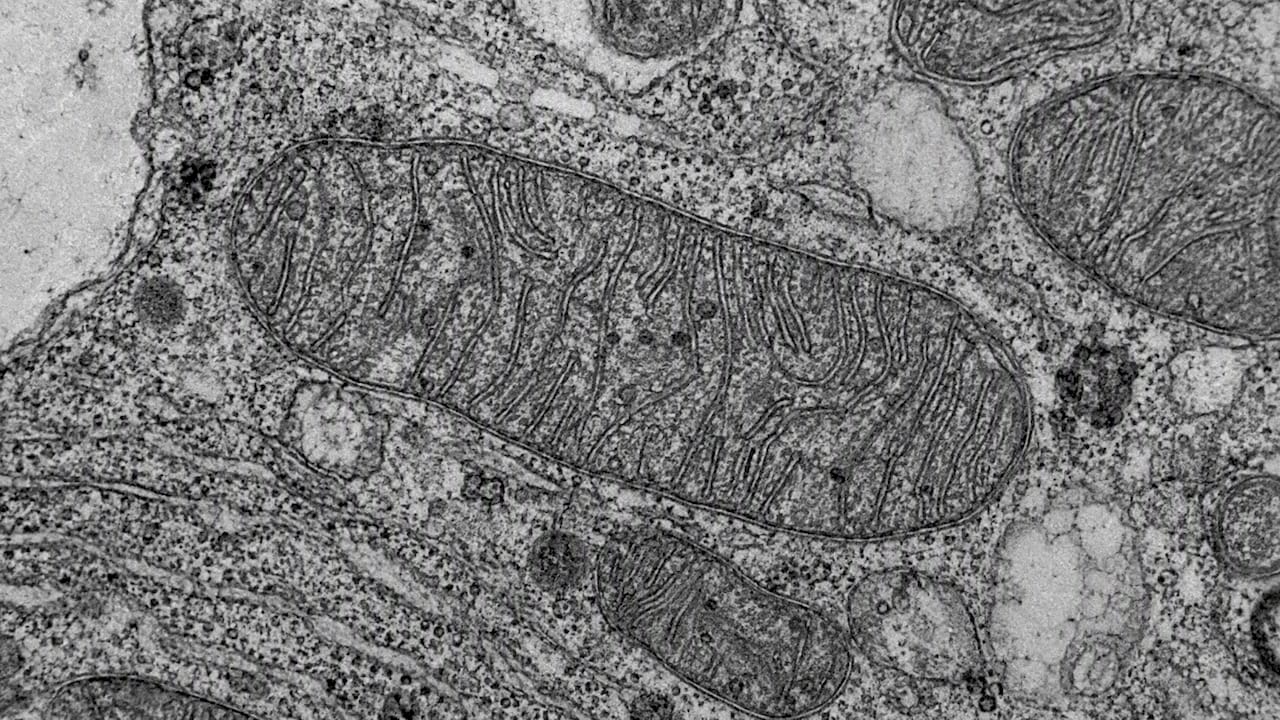
NAD+, or nicotinamide adenine dinucleotide, is a coenzyme that shuttles electrons during metabolism. Its reduced form, NADH, feeds the mitochondrial electron transport chain that generates ATP, the molecule your cells burn for fuel. Without adequate NAD+, that energy production stalls at the cellular level, which is part of why fatigue shows up in conditions tied to NAD+ depletion.
NAD+ does more than power mitochondria. It activates a family of enzymes called sirtuins, which regulate gene expression tied to metabolism and stress resistance, and it fuels PARP enzymes that repair damaged DNA. Both processes draw down the same NAD+ pool, so chronic DNA damage from age, inflammation, or UV exposure competes directly with the energy-producing pathway for the same limited resource.
Your body doesn’t just store NAD+, it constantly rebuilds it through the salvage pathway, recycling breakdown products back into usable coenzyme. The raw materials include dietary tryptophan, niacin (vitamin B3), and the precursors nicotinamide riboside (NR) and nicotinamide mononucleotide (NMN). This recycling system is efficient but not infinite, and its output appears to slow with age.
Research on NAD+'s role in regenerative medicine shows tissue-level NAD+ tends to decline over decades, but blood measurements don’t necessarily track what’s happening inside muscle, liver, or brain cells. That distinction matters for interpreting any supplement study that reports “increased NAD+ levels” without specifying where the increase was measured.
Route matters here in a very concrete way. NAD+ itself is a large, charged molecule. When infused intravenously, it doesn’t cross cell membranes easily and gets broken down extracellularly by enzymes like CD38 before much of it ever reaches the mitochondria that need it. Oral precursors, by contrast, are small enough to absorb through the gut and get converted into NAD+ inside cells, which is one reason the human trial evidence clusters so heavily around oral forms rather than injections.
Evidence By Route: What Trials And Reviews Actually Show
The evidence for NAD+ boosting splits sharply by delivery method, and that split is the single most important thing to understand before spending money on any protocol.
A 2026 PRISMA systematic review screened 113 studies on NAD+ interventions, covering 33 human studies (28 randomized) and 80 rodent studies. The reviewers found no qualifying controlled outcome trials demonstrating that intravenous, intramuscular, or subcutaneous NAD+ therapy produces anti-aging or wellness benefits in humans. That’s not a minor gap. It means the IV drips sold at wellness clinics rest on marketing and case reports, not the kind of placebo-controlled evidence that determines whether an effect is real or coincidental.
Oral precursor research tells a different story, though still a modest one. A few specific findings stand out:
- The NICE trial tested NR at 500 mg twice daily in 90 participants with peripheral artery disease and found improved 6-minute walk distance, a meaningful functional outcome for that population, documented in clinical trial reviews.
- A smaller trial by Yoshino and colleagues gave 25 postmenopausal women with prediabetes 250 mg of NMN daily and observed improved insulin-stimulated glucose disposal, an early metabolic signal rather than a broad health outcome.
- High-dose nicotinamide, tested at 1,500 mg twice daily in Alzheimer’s research, failed to significantly improve primary clinical endpoints, a reminder that raising NAD+ biochemically doesn’t automatically translate into clinical benefit.
Here’s the number that should reframe how you read every NAD+ headline: of 113 studies screened in that PRISMA review, zero qualifying controlled trials supported injected NAD+ for wellness or anti-aging use in humans. The positive findings that do exist, the walking-distance improvement and the insulin-sensitivity signal, both came from oral precursors in small, specific patient populations, not healthy adults chasing general vitality.
Animal studies paint a more optimistic picture, and it’s worth understanding why that optimism doesn’t transfer cleanly. Rodent studies dominate this literature, and they routinely show improved mitochondrial function and reduced inflammatory markers after NAD+ precursor supplementation. Mice are genetically uniform, live in controlled environments, and researchers can dose them at levels no human trial would approve. None of that invalidates the animal data as basic science, but it does mean the mechanistic promise runs well ahead of confirmed human outcomes.
This gap between “biochemical target engagement” and “clinical benefit” is the central confusion in the NAD+ conversation. Target engagement means a supplement did what it was designed to do at the molecular level, in this case, raising measurable NAD+ in blood. Clinical benefit means a person actually feels or functions better because of it. Human trials of NAD+ precursors consistently hit the first mark. They hit the second mark inconsistently, and usually only in people who started with a deficiency or a specific metabolic condition, not in healthy adults looking for an energy edge.
NAD+ Benefits By System: What The Evidence Actually Supports
Different claims about NAD+ carry very different amounts of proof behind them. Sorting them by evidence tier keeps expectations honest.
Energy and fatigue. This is the most commonly marketed NAD booster benefit, and it’s also the hardest to pin down with hard numbers. Most of the “energy” evidence comes from mechanistic studies showing improved mitochondrial function in animals or increased blood NAD+ in humans, rather than validated fatigue-scale improvements in randomized trials. The PAD walking-distance trial is the closest thing to an objective energy-adjacent outcome in oral precursor research, and it applied to a specific vascular condition, not general tiredness.
Cognition. Several small trials show that NR or NMN supplementation raises blood NAD+ reliably, but consistent improvement on cognitive testing hasn’t followed in the same trials. Small sample sizes and short study durations limit what can be concluded. If you’re hoping for a mental clarity boost from NAD+ precursors, the honest answer is that the biochemistry is plausible but the outcome data isn’t there yet.
Metabolic health. This is where oral precursors show their strongest signal. The Yoshino prediabetes trial found improved insulin sensitivity with NMN, and that finding lines up with sirtuin biology, since sirtuins regulate glucose and lipid metabolism. Healthy adults without metabolic dysfunction haven’t shown the same magnitude of benefit, which suggests the effect is more relevant to people who already have some metabolic strain.
Cardiovascular function. The PAD trial’s improvement in walking distance touches on vascular function, and some smaller studies report modest blood pressure or endothelial function changes with NR supplementation. This remains a narrower body of evidence than the metabolic findings, and it hasn’t been replicated broadly enough to support general cardiovascular claims for healthy people.
Skin and muscle. Mechanistically, NAD+ decline is tied to reduced mitochondrial capacity in muscle tissue and to skin cell repair processes, so the plausibility case is real. Human performance data, though, is thin. Most of what exists comes from small studies or extrapolation from animal models, not controlled trials measuring muscle strength or skin outcomes directly in people taking oral precursors.
Pro Tip: When you read a NAD+ supplement claim, ask which of these two things it’s describing: a rise in blood NAD+ (target engagement) or a validated symptom improvement (clinical benefit). Reputable brands and researchers are specific about which one their evidence supports.
NAD+ Supplement Safety: Limits, Risks, And What To Watch
Niacin and nicotinamide, the most common NAD+ precursors alongside NR and NMN, carry real dosing limits that matter more than most marketing acknowledges.
The NIH sets a Tolerable Upper Intake Level for niacin and nicotinamide at 35 mg per day for general supplementation in adults. Doses above that threshold, especially in the gram range used in some clinical trials, have been linked to flushing, gastrointestinal upset, and at high enough doses, liver toxicity. That NIH resource also notes that historical trials using gram-scale niacin documented hepatotoxic effects, which is why unsupervised high-dose regimens deserve caution rather than casual use.
There’s also a theoretical concern worth taking seriously rather than dismissing: NAD+ supports cell proliferation and DNA repair, both processes that rapidly dividing cancer cells also depend on. This doesn’t mean NAD+ supplementation causes cancer, there’s no human evidence establishing that link, but it’s a reason people with active cancer or a recent cancer history should discuss NAD+ strategies with an oncologist before starting, rather than assuming a “natural” supplement is automatically safe in that context.
A short checklist before starting any NAD+ precursor regimen:
- Talk to your clinician if you take medications metabolized by the liver, since niacin-family compounds are processed there too.
- Ask about baseline liver enzyme testing if you’re considering doses above what’s used in over-the-counter multivitamins.
- Disclose any personal or family cancer history before starting high-dose precursor supplementation.
- Start at study-aligned doses rather than assuming more is better, since most positive trial outcomes used modest, specific amounts.
Cleveland Clinic’s explainer on NAD+ supplements puts it plainly: research in this area is still developing, and long-term benefits and risks remain unclear enough that a conversation with a clinician belongs before, not after, you start.
How To Support NAD+ Levels The Right Way
Lifestyle changes move NAD+ biology more reliably than most supplements do, and they cost nothing beyond effort.

Exercise increases NAD+ salvage pathway activity, particularly through a gene called NAMPT that recycles NAD+ precursors. Sleep quality matters too, since circadian disruption interferes with the same metabolic cycles that regulate NAD+ production. Diets with adequate tryptophan and niacin, found in poultry, fish, eggs, and legumes, feed the salvage pathway directly, and moderating alcohol intake protects the liver processes involved in NAD+ metabolism. For readers focused on healthy aging more broadly, nutrition strategies that support muscle health overlap significantly with what supports cellular energy production generally.
When it comes to supplement categories, the choice breaks down clearly:
- Niacin/niacinamide has decades of established use for cholesterol and pellagra, but the 35 mg NIH upper limit constrains how much you can take without medical supervision, and layering niacinamide with other actives requires attention to skin sensitivity if used topically alongside oral supplementation.
- NR and NMN carry the strongest human trial support among NAD+ precursors, typically studied at doses between 250 and 1,000 mg per day depending on the indication and precursor.
- IV or injected NAD+ lacks qualifying randomized outcome trials entirely, despite being the most expensive and invasive option on this list.
Pharmacokinetically, oral precursors take about two weeks of consistent daily intake to approach steady-state blood levels, with a washout half-life of roughly 6.25 days once you stop. That means judging whether an oral NAD+ booster is “working” after three or four days is premature, and it also means the effect doesn’t vanish overnight if you miss a dose occasionally.
Pro Tip: Look for third-party testing and transparent labeling on any NAD+ supplement before buying. A product that won’t disclose its exact precursor dose per serving makes it impossible to compare against the study doses that actually showed benefit.
When NAD+ Boosting Makes Sense And When It’s Still Experimental
The clearest signal in this entire field is that context determines whether NAD+ supplementation is reasonable or premature.
It’s most defensible when there’s a documented reason: a diagnosed metabolic condition like prediabetes where trial data showed a specific benefit, participation in a formal research trial, or a known nutritional gap in niacin intake. In those situations, the biochemistry and the trial evidence point the same direction, and a clinician can monitor for the safety issues that matter, particularly liver function at higher doses.
It becomes experimental, not evidence-based, when it’s marketed as a general anti-aging or vitality fix for healthy adults, especially through IV or injection. The PRISMA review’s core finding, zero qualifying controlled trials for injected NAD+ wellness claims, doesn’t leave much room for confidently recommending that route outside a research setting.
A workable decision framework: start with sleep, exercise, and diet, since those levers move NAD+ metabolism with no safety tradeoff. Consider oral precursors next, ideally after a conversation with a clinician about your specific health picture. Reserve IV or injected NAD+ for clinical trial participation or a specific medical indication your doctor has identified, not as a routine wellness purchase.
— Organic
Choosing An Oral NAD+ Supplement That Matches The Evidence
Given that oral precursors carry the human trial evidence and IV NAD+ doesn’t, the practical choice for most people is an oral formula built on ingredients that actually show up in the research, not a marketing story.
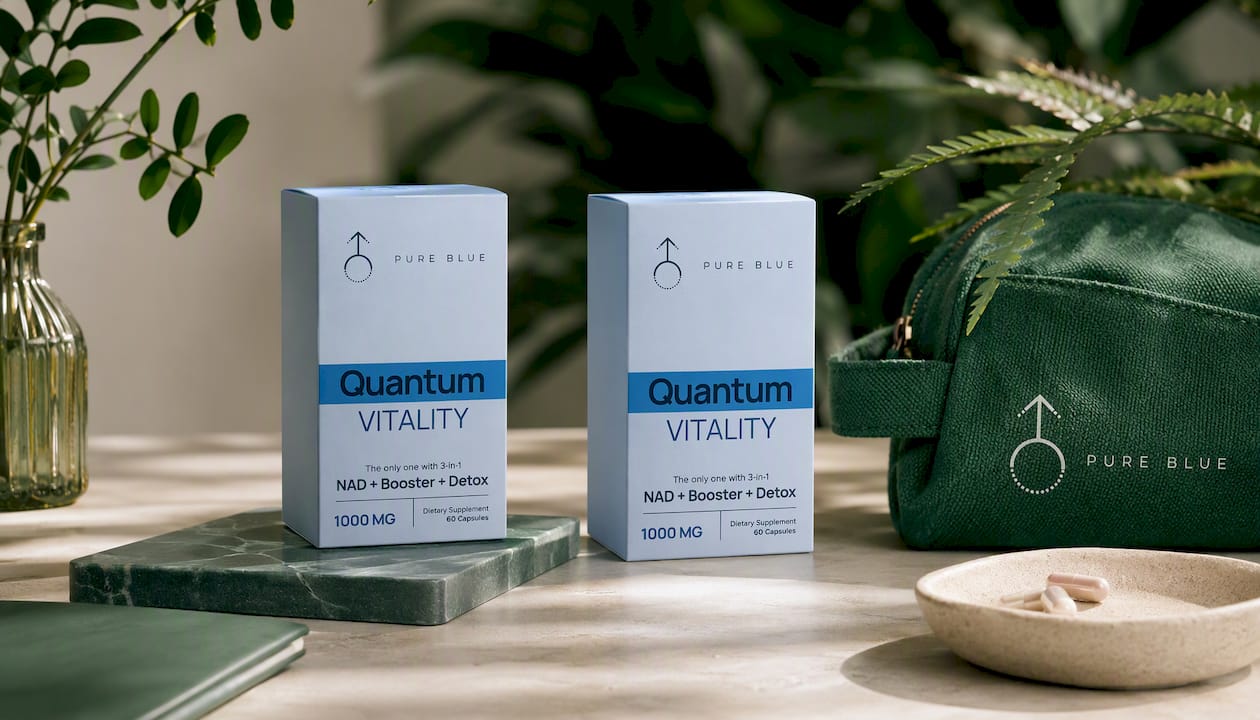
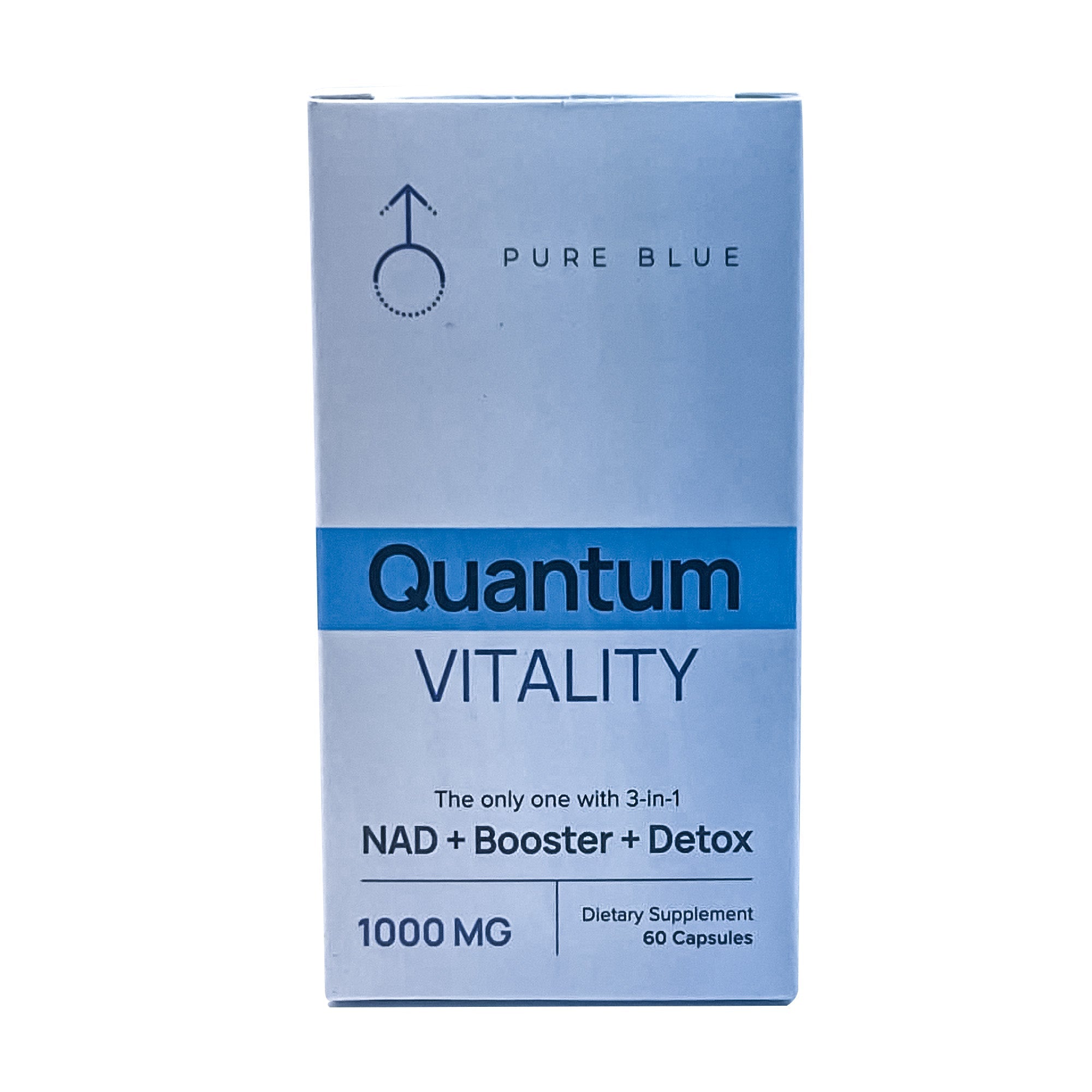
Pureblue’s Quantum Vitality NAD+ Booster+ Detox is a 3-in-1 oral formula combining NAD+ boosting ingredients with detox support, made from 100% organic ingredients with no artificial fillers. Every batch goes through third-party testing for purity and potency, and manufacturing happens in an FDA-registered facility, the kind of quality control that matters when you’re taking a supplement daily for weeks to reach steady-state levels. Pureblue’s customers currently rate the formula 4.9 out of 5, reflecting real-world experience alongside the ingredient sourcing.
Choosing an oral formula over an IV drip isn’t just a cost decision, it’s the option that actually lines up with where the controlled trial evidence sits right now. If you’re curious about trying it, Pureblue’s Quantum Vitality sample offer is a lower-commitment way to start, though talking to your clinician first remains the right move, especially if you’re on medications processed by the liver or have a history that warrants extra caution around cell proliferation pathways.
This article is general information, not a substitute for advice from a qualified doctor. Consult a qualified healthcare professional about your own circumstances before acting on anything here.
Sources
- PRISMA systematic review (2026) — injected NAD+ evidence screen
- Dietary Reference Intakes / Niacin (NIH resource)
- The Role of NAD+ in Regenerative Medicine (Conlon, PMC)